

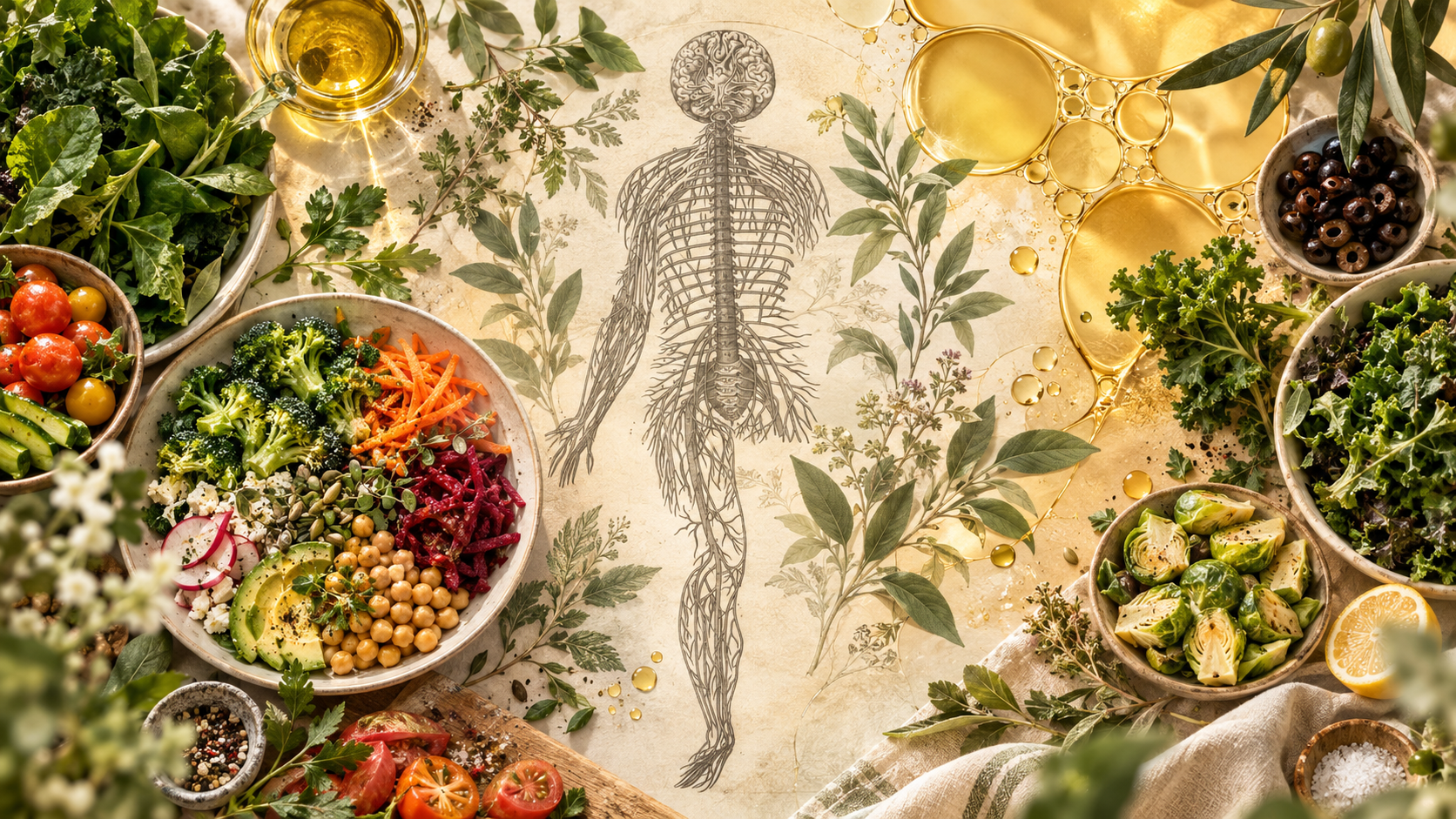
Simple ways to bring polyphenol-rich foods, herbs, spices, and nourishing meals into your everyday kitchen.
There are seasons when your body seems to be asking for a little more support. You may feel tired but unable to fully settle down, mentally scattered, more easily overwhelmed, or simply like you have been “on” for too long.
Food is not the only part of nervous system health, but it can be one meaningful piece of the larger picture.
That is one of the things I love about real food. It is not only about calories, macros, or checking nutritional boxes. The foods we eat every day provide vitamins, minerals, fats, proteins, plant compounds, and other nutrients that help support the body as a whole.
This is also where Cook With Real Food naturally overlaps with the larger Back to Source philosophy. Nourishing the body, using herbs and traditional ingredients, creating room for restoration, and building healthier rhythms into everyday life do not have to exist as separate practices. They can begin right in the kitchen.
One particularly interesting group of compounds found naturally in many whole foods is called polyphenols.
What Are Polyphenols?
Polyphenols are naturally occurring compounds found in many fruits, vegetables, herbs, spices, cocoa, tea, olives, and other plant foods. They are often studied for their antioxidant and anti-inflammatory properties and their possible roles in cardiovascular, cognitive, metabolic, gut, and overall health.
That does not mean you need to start calculating the polyphenol content of every meal or searching for one perfect “superfood.” A much more useful approach is to regularly eat a variety of real foods and allow those ingredients to work together.
That is one of the principles I keep coming back to with Cook With Real Food. The goal is not to memorize a list of nutrients. It is to understand your ingredients well enough that nourishment becomes a natural part of the way you cook.
Polyphenol-Rich Foods May Already Be in Your Kitchen
You do not need a specialty health-food haul to begin adding more polyphenol-rich foods to your meals. Many familiar ingredients already qualify, including berries, apples, cherries, pomegranate, red onion, broccoli, spinach, olives, extra-virgin olive oil, cocoa, cinnamon, ginger, turmeric, oregano, peppermint, tea, nuts, and seeds.
This is where food education becomes especially useful. You do not need to look at a blueberry and think about a particular number of milligrams. You can simply understand that deeply colored fruits, vegetables, herbs, spices, and other plant foods bring different compounds to the table, and then learn how to use those ingredients in meals you actually enjoy.
The kitchen becomes much more interesting when you stop asking only, “Is this healthy?” and start asking, “What does this ingredient bring to the meal?”
What Does This Actually Look Like on Your Plate?
Polyphenol numbers can sound impressive, but they are not particularly useful if they are based on 100 grams of a spice you would never eat in that amount. What matters more is understanding what a realistic serving looks like.
A normal serving of berries might be about ½ to 1 cup. Dark chocolate might be an ounce. Fresh ginger could be a teaspoon grated into dinner or tea. Turmeric may be half a teaspoon stirred into a soup or sauce. Extra-virgin olive oil might be a couple of tablespoons used across a meal.
That makes this much easier to picture.
Polyphenol-Rich Foods in a Real Kitchen
You do not need to count polyphenols or chase a perfect daily number. Use this guide to see what realistic amounts can look like — and how easily these foods can fit into meals you are already making.
| Food | A Realistic Amount | Approx. Polyphenols* | Easy Kitchen Use |
|---|---|---|---|
| Berries | ½–1 cup | ~420–2,634 mg depending on variety |
Yogurt, breakfast, smoothies, salads, dessert |
| Dark chocolate | 1 oz | ~500 mg | With berries, fruit plate, dessert |
| Unsweetened cocoa | 1 tbsp | ~172 mg | Yogurt, oatmeal, smoothies, hot cocoa |
| Red onion, spinach or broccoli | ½–1 cup cooked | ~70–390 mg | Alongside protein, soups, roasted vegetables |
| Tea or coffee | 1 cup | ~89–214 mg | A familiar daily drink |
| Olives | 5–10 olives | ~52–170 mg | Salads, snacks, alongside meat and cheese |
| Extra-virgin olive oil | 2 tbsp | ~19 mg | Dressings, finishing vegetables, grilled meat |
| Fresh ginger | 1 tsp grated | ~40 mg | Tea, carrots, soups, stir-fries |
| Turmeric | ½ tsp | ~30–45 mg | Soups, rice, sauces, roasted vegetables |
| Cinnamon | ½ tsp | ~12–30 mg | Apples, yogurt, oatmeal, baked fruit |
| Dried oregano | 1 tsp | ~21 mg | Chicken, tomatoes, vegetables, sauces |
A little variety adds up. Berries at breakfast, onions and herbs with lunch, olive oil over dinner, cinnamon on an apple, ginger in a soup, and a little dark chocolate afterward can all become part of an ordinary day of eating real food.
*Polyphenol amounts are approximate and can vary by variety, growing conditions, processing, preparation, and serving size. These numbers are best used for comparison rather than as a daily target.
You Don’t Need to Count Any of This
I would not look at that chart and start trying to reach a particular polyphenol number every day.
I would look at it and notice something much more useful: a little variety adds up quickly.
Berries at breakfast, onions and herbs with lunch, olive oil over dinner, cinnamon on an apple, ginger in a soup, and a little dark chocolate afterward are all normal foods. You did not follow a specialized diet or buy a cabinet full of supplements. You simply gave the body a wider variety of real ingredients.
That is the part I want you to take from this.
Start With the Meal, Not the Nutrient
Instead of memorizing individual foods, start with whatever you were already planning to cook.
Maybe that is roasted chicken, eggs, beef, pork, Greek yogurt, or a simple soup. From there, ask what you can add for flavor, freshness, color, texture, or contrast.
Roasted chicken can be cooked with lemon, garlic, oregano, and vegetables. Pork pairs beautifully with apples and sage. Beef can be cooked with onions, mushrooms, rosemary, or black pepper. Greek yogurt can be topped with berries and cinnamon. Eggs can become an omelet with spinach, onion, peppers, and herbs.
Suddenly, you are not trying to “eat polyphenols.” You are simply cooking good food.
A simple pattern can help:
Start with your protein, then add a vegetable or fruit, an herb or spice, and a traditional fat or finishing ingredient.
A dinner might become roasted chicken with broccoli, oregano, lemon, and olive oil. Beef could become steak with mushrooms, rosemary, and onions. Eggs can be cooked with spinach, onion, oregano, and black pepper. Greek yogurt can become breakfast with blueberries, cinnamon, and a little cocoa.
You are not building a “nervous system meal.” You are learning how to build a more varied, nourishing meal.
That skill can follow you for the rest of your life.
Berries Are an Easy Place to Begin
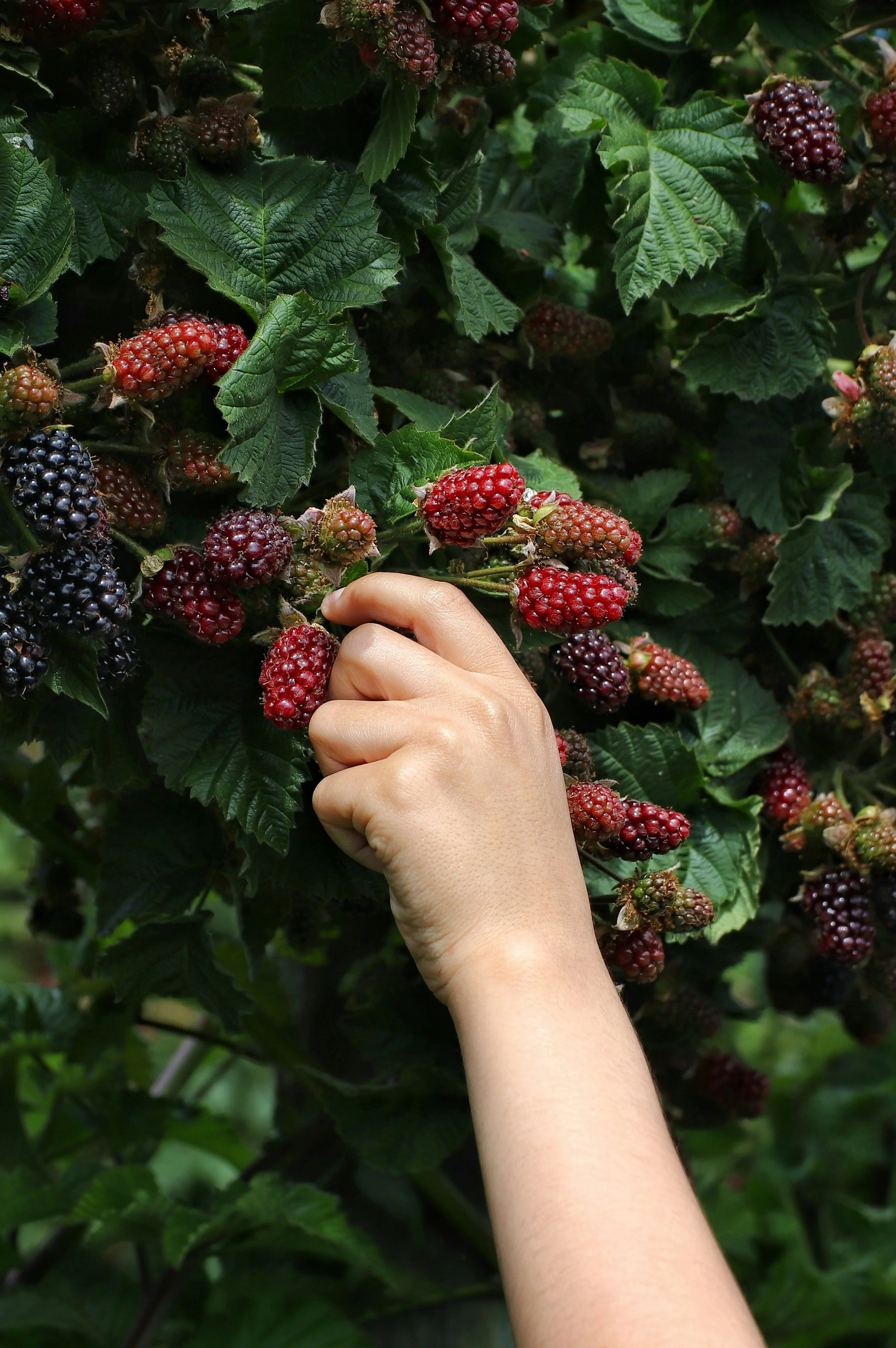
Berries are one of the simplest ingredients to keep on hand because they are versatile, flavorful, and easy to add to meals without much preparation. Blueberries, raspberries, blackberries, strawberries, currants, and other berries contain a variety of naturally occurring polyphenols.
Fresh berries are wonderful when they are in season, but frozen berries are incredibly practical too. They last longer, help reduce food waste, and can be added to yogurt, smoothies, oatmeal, sauces, or simple desserts whenever you need them.
You might add blueberries and cinnamon to Greek yogurt in the morning, simmer cherries into a sauce for dinner, toss strawberries into a salad, or serve fresh berries with a little dark chocolate after a meal.
These are small additions, but that is part of the beauty of them. Supporting your body does not always require completely changing the way you eat.
Herbs and Spices Deserve More Attention
Herbs and spices are one of my favorite ways to bring more plant variety into the kitchen because they serve several purposes at once. They make food taste better, help us use simple ingredients in more interesting ways, and contain naturally occurring plant compounds of their own.
Cloves, peppermint, oregano, turmeric, ginger, cinnamon, cardamom, and black pepper are all examples of polyphenol-rich herbs and spices.
This is one of the places where food and herbal traditions naturally overlap. Herbs do not always have to live in a tincture bottle, supplement cabinet, or wellness routine. They can simply be part of dinner.
If you have an apple, you have something to pair with cinnamon. If you have carrots, fresh ginger can completely change them. A handful of basil can turn ripe tomatoes and olive oil into something worth putting on the table. Rosemary can transform a simple roast, while oregano, lemon, and garlic can make plain chicken taste like you actually planned dinner.
A Few Simple Combinations to Try
You do not need to turn these into elaborate recipes. Think of them as starting points based on what is already in your kitchen.
Apple + cinnamon: Slice an apple for breakfast, bake it with butter and cinnamon, cook it alongside pork, or add it to yogurt.
Blueberries + lemon: Add lemon zest to blueberries, spoon both over yogurt, or simmer them into a simple fruit topping.
Peach + basil: Serve fresh peaches with torn basil, add mozzarella, or pair them with grilled chicken.
Chicken + oregano + lemon: Season chicken with oregano, salt, garlic, and lemon before roasting or grilling.
Carrots + ginger: Roast carrots with butter and fresh ginger, grate ginger into carrot soup, or add both to juice.
Beef + rosemary: Use rosemary with steak, roasts, potatoes, mushrooms, or pan sauces.
Pumpkin + cinnamon + ginger: Use them in soup, baked pumpkin, oatmeal, muffins, or a simple pumpkin sauce.
Tomato + basil + extra-virgin olive oil: Add mozzarella, spoon it over bread, toss it with pasta, or serve it alongside meat.
Berries + mint: Toss fresh berries with mint and add Greek yogurt or dark chocolate if you want something more substantial.
Turmeric + ginger + black pepper: Add them to soups, broths, roasted vegetables, rice dishes, or warm drinks.
None of these combinations are complicated. That is the point. A nourishing kitchen is often built through small choices repeated over time.
Use Olive Oil as an Ingredient, Not Just Cooking Grease

Olive oil is another good example of how thinking differently about an ingredient can change the way you cook.
Instead of viewing olive oil only as something that keeps food from sticking to the pan, think about what it contributes to the finished dish. A flavorful extra-virgin olive oil can become part of a dressing, sauce, dip, marinade, or finishing layer. Olives and extra-virgin olive oil also contain naturally occurring polyphenols.
Try drizzling olive oil over warm roasted vegetables just before serving rather than only using it during cooking. Spoon it over sliced tomatoes with flaky salt and basil. Whisk it with lemon and herbs for chicken or salad. Add garlic and vinegar for a simple dressing, or pour good olive oil into a shallow bowl with herbs and serve it with bread.
One ingredient suddenly gives you half a dozen options.
That is exactly the kind of food knowledge I want Cook With Real Food to teach. When you understand an ingredient, you do not need a new recipe every time you open the refrigerator.
Bring Fruit Into Savory Meals
Fruit is another ingredient that tends to get placed into a very narrow category. We often think of it as breakfast, a snack, or dessert, but fruit can be incredibly useful in savory cooking because it brings sweetness, acidity, juice, and texture.
An apple can go beside pork. Peaches can be served with chicken and basil. Pomegranate can brighten lamb. Cherries can become a sauce for richer meats. Lemon can change almost anything from roasted vegetables to chicken, fish, dressings, and soups.
You are not adding fruit simply because you need to check a nutritional box. You are learning that sweetness and acidity can balance richer ingredients and make the entire meal taste better.
This is the same principle behind learning how to pair meat, cheese, and fruit: once you begin understanding what each ingredient contributes, cooking becomes much more intuitive.
Dark Chocolate Has a Place, Too
Nourishing food should not feel like punishment.
Cocoa and dark chocolate contain naturally occurring polyphenols, which makes them another ingredient that can fit naturally into a varied real-food kitchen.
That can look as simple as serving a few pieces of dark chocolate with berries, stirring cocoa into Greek yogurt, making homemade hot cocoa, or pairing chocolate with cherries, raspberries, strawberries, or orange.
Pleasure is part of eating too. Real food becomes much easier to sustain when it is genuinely enjoyable.
An Easy Place to Start This Week
If this is new to you, do not overhaul your entire kitchen. Choose a few foods you already enjoy and use them more intentionally.
Keep organic frozen berries in the freezer. Put fresh ginger, lemons, and herbs on your normal grocery list. Use cinnamon on apples or yogurt. Cook vegetables with onions and herbs. Keep a good extra-virgin olive oil somewhere you can actually reach it. Add cocoa or dark chocolate to foods you already enjoy.
You can also keep a few dependable staples around: onions, garlic, apples, citrus, olive oil, frozen berries, dried herbs, cinnamon, ginger, cocoa, and tea.
That is much more useful than buying twelve wellness ingredients you do not know how to cook.
I would rather see someone learn how to use ten ordinary foods incredibly well.
What This Could Look Like in a Real Kitchen
Imagine you come home and have chicken, carrots, an apple, some herbs, and half a lemon in the refrigerator.
You could roast the chicken with oregano, garlic, and lemon, then toss the carrots with butter and fresh ginger. After dinner, slice the apple and sprinkle it with cinnamon, or cook it for a few minutes in a pan with a little butter.
The next morning, breakfast could be eggs with leftover herbs and berries from the freezer. Lunch becomes leftover chicken over greens with apple and an olive-oil and lemon dressing. Later in the day, you might make peppermint tea or have a few pieces of dark chocolate with fruit.
There is no complicated nervous-system diet happening here.
It is simply a day built around recognizable foods, plant variety, herbs, protein, flavor, and meals that actually sound good.
That is what makes it sustainable.
Ask What You Can Add
One of the biggest shifts I want to encourage through Cook With Real Food is moving away from constantly asking, “What am I not allowed to eat?” and beginning to ask, “What can I add to this meal?”
Maybe dinner needs fresh herbs. Maybe breakfast could use berries. Maybe roasted vegetables would be better with lemon and good olive oil. Maybe the apple sitting on the counter becomes part of dinner instead of eventually being thrown away. Recently, I have been adding organic bee pollen to my Greek yogurt bowls for an extra polyphenolic boost! So delicious, and it adds great texture.
This approach makes food education feel expansive instead of restrictive. You begin noticing what ingredients can do, how they work together, and how many different meals you can make from the same handful of foods.
Over time, your kitchen starts doing more of the work for you.
Food Is Only One Part of the Bigger Picture
It is important not to turn food into something it cannot be.
A stressful season does not disappear because you ate blueberries. Nervous system health is influenced by many parts of daily life, including sleep, movement, relationships, stress, sunlight, time outside, rest, and the rhythm of your days.
Food belongs inside that larger picture.
This is one of the reasons the Back to Source philosophy matters so much to me. The body is not a collection of completely separate systems. What we eat, how we sleep, how we move, how much stress we carry, the herbs we use, the time we spend outside, and the way we live our days all interact.
Wellness becomes much more practical when we stop looking for a single thing to fix everything and begin supporting the whole person.
Variety Matters More Than Perfection
You do not need the perfect berry, the perfect vegetable, the perfect herb, or the perfect breakfast.
Rotate your fruit. Cook with different herbs. Use spices generously. Try produce when it is in season. Keep frozen foods around when that makes life easier. Learn which ingredients complement one another, keep a few foods you love in regular rotation, and experiment with something new when it makes sense.
The goal is not to make every meal nutritionally perfect.
The goal is to build a kitchen that makes eating well easier.
Bringing It Back to Source
Supporting the body does not always have to begin with something complicated. Sometimes it begins with breakfast, chopping fresh herbs, sitting down to eat, making dinner from ingredients you recognize, or taking a few minutes to prepare a cup of tea.
Food is not simply calories and macros. It carries nourishment, tradition, pleasure, connection, and information about the ingredients we choose to bring into our homes.
For me, that is what cooking with real food is really about: learning your ingredients, learning your body, and becoming more confident in your ability to make something nourishing without needing a rulebook for every decision.
The more we understand the foods in front of us, the easier it becomes to return to the simple things that have supported people for generations: real food, herbs, movement, rest, nature, and rhythm.
That is what it means to come back to source.
Happy cooking,
Cassidyy