

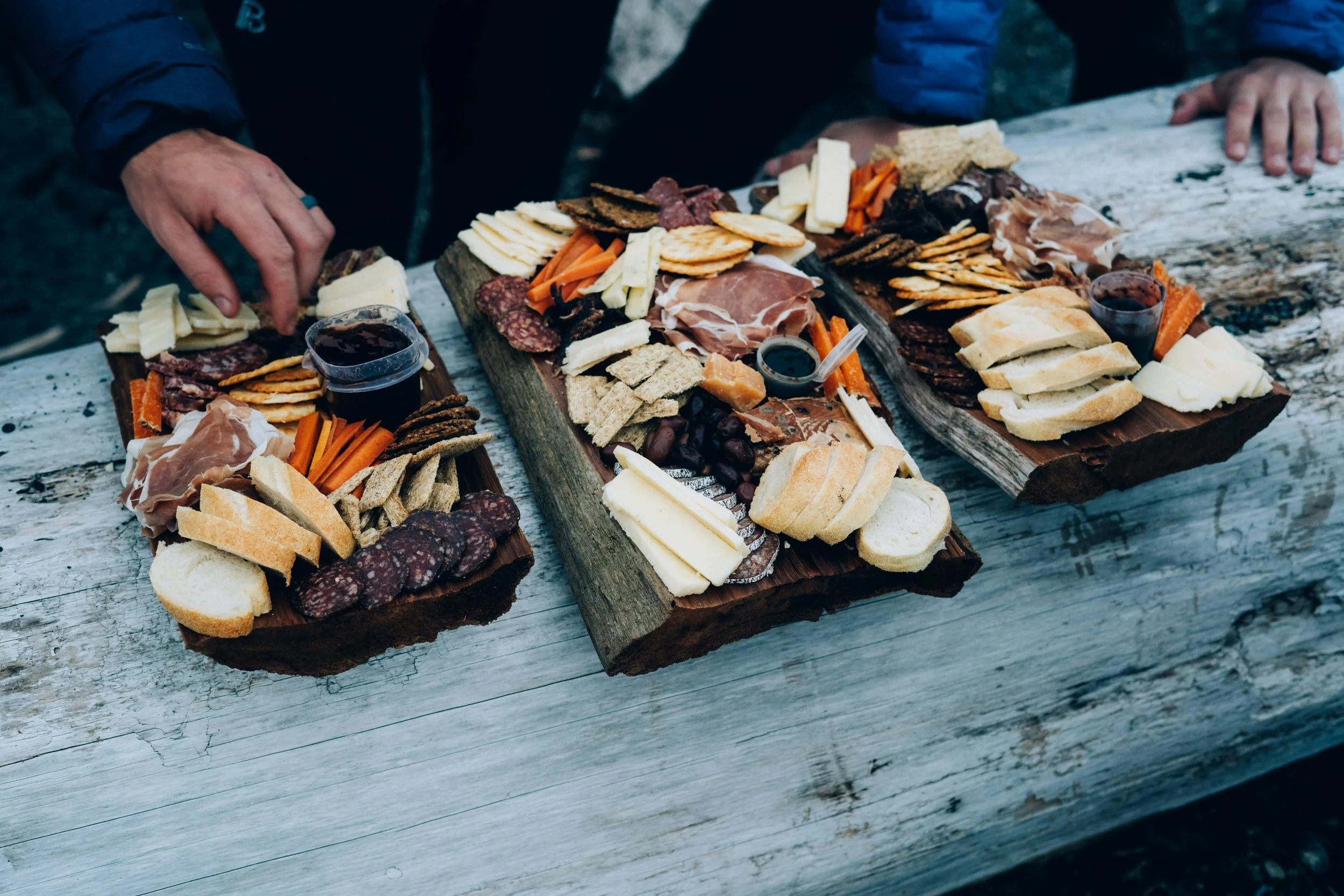
A Cook With Real Food guide to building a better bite.
Putting together a beautiful charcuterie board or a memorable dinner doesn’t have to mean buying a dozen specialty ingredients. Sometimes, it starts with knowing what goes well together.
A juicy peach with salty prosciutto and creamy mozzarella. Sharp cheddar with a crisp apple. Roasted chicken with lemon and herbs. Simple ingredients, brought together in a way that makes each one more delicious.
That’s what I want to help you do through Cook With Real Food: understand your ingredients so you can cook, serve, and share them with confidence—even when you aren’t following a recipe.
Your Quick Pairing Guide
Planning a charcuterie board, a dinner party, or something delicious for yourself? Here’s a quick overview of meat, cheese, and fruit pairings to get you started. Screenshot your favorite combinations or bookmark this page for the next time you’re shopping or setting the table.
Browse the visual guides below, then keep reading to learn why these combinations work—and how to create your own.
Planning a charcuterie board, a dinner party, or something delicious for yourself?
Here’s a quick overview of meat, cheese, and fruit pairings to get you started. Screenshot your favorite combinations or bookmark this page for the next time you’re shopping or setting the table.
Browse the visual guides below, then keep reading to learn why these combinations work—and how to create your own.
Cook With Real Food · Pairing guide 01 / 04
What each ingredient brings
Build a better bite by noticing flavor, richness, and texture.
Meat
Savory · rich · salty · smoky
Mild chicken tastes very different from smoky bacon or peppery salami.
Cheese
Creamy · tangy · nutty · sharp
Fresh mozzarella is gentle; blue cheese can lead the whole bite.
Fruit
Sweet · tart · juicy · crisp
A tart apple brings something different from a ripe fig or dried apricot.
Cook With Real Food · Pairing guide 02 / 04
Meat + fruit
A little sweetness, acidity, or juice can change the whole plate.
| Meat | Fruits to try | Try it this way |
|---|---|---|
| Chicken |
| Roast with lemon and thyme, or serve sliced chicken with peaches and basil. |
| Turkey |
| Layer leftover turkey with thin apple slices and sharp cheddar. |
| Pork |
| Serve pork chops with sautéed apples and sage, or grilled peaches. |
| Ham or prosciutto |
| Fold thin slices around melon or serve beside ripe figs. |
| Duck |
| Spoon a tart cherry pan sauce over sliced duck. |
| Lamb |
| Add dried apricots to a braise, or finish cooked lamb with pomegranate and mint. |
| Beef |
| Serve steak with a savory cherry sauce, or sliced beef with orange and herbs. |
| Veal |
| Finish a pan sauce with lemon, or serve with gently cooked apples. |
Cook With Real Food · Pairing guide 03 / 04
Cheese + fruit
Start with the cheese’s strongest quality. Choose a fruit that balances it.
| Cheese | Fruits to try | Why it works |
|---|---|---|
| Sharp cheddar |
| Sweetness balances the sharp flavor; crisp fruit adds contrast. |
| Brie or Camembert |
| Juicy fruit complements the soft, rich texture. |
| Fresh goat cheese |
| Ripe sweetness balances the cheese’s tang. |
| Blue cheese |
| Sweet, juicy fruit balances bold, salty cheese. Start with a little cheese. |
| Mozzarella or burrata |
| Mild dairy flavor gives delicate fruit room to stand out. |
| Aged Gouda |
| Nutty, sometimes caramel-like flavor pairs well with sweet fruit. |
| Feta |
| Salty, tangy cheese contrasts with refreshing fruit. |
| Parmesan |
| Small pieces bring a savory, salty contrast to the fruit. |
Cook With Real Food · Pairing guide 04 / 04
Put all three together
Six combinations to try on a plate, in a salad, or on your next board.
Prosciutto+Mozzarella+Peach
Salty meat, mild creaminess, and juicy sweetness.
Turkey+Sharp cheddar+Apple
Gentle meat, a sharper cheese, and fresh crunch.
Roast beef+Blue cheese+Pear
Savory beef, a little bold cheese, and sweet, juicy fruit.
Ham+Brie+Pear
Salty, creamy, and fresh without competing flavors.
Chicken+Goat cheese+Strawberry
Mild chicken lets the tangy cheese and sweet fruit shine.
Lamb+Feta+Pomegranate
Rich meat, salty cheese, and small bursts of tart juice.
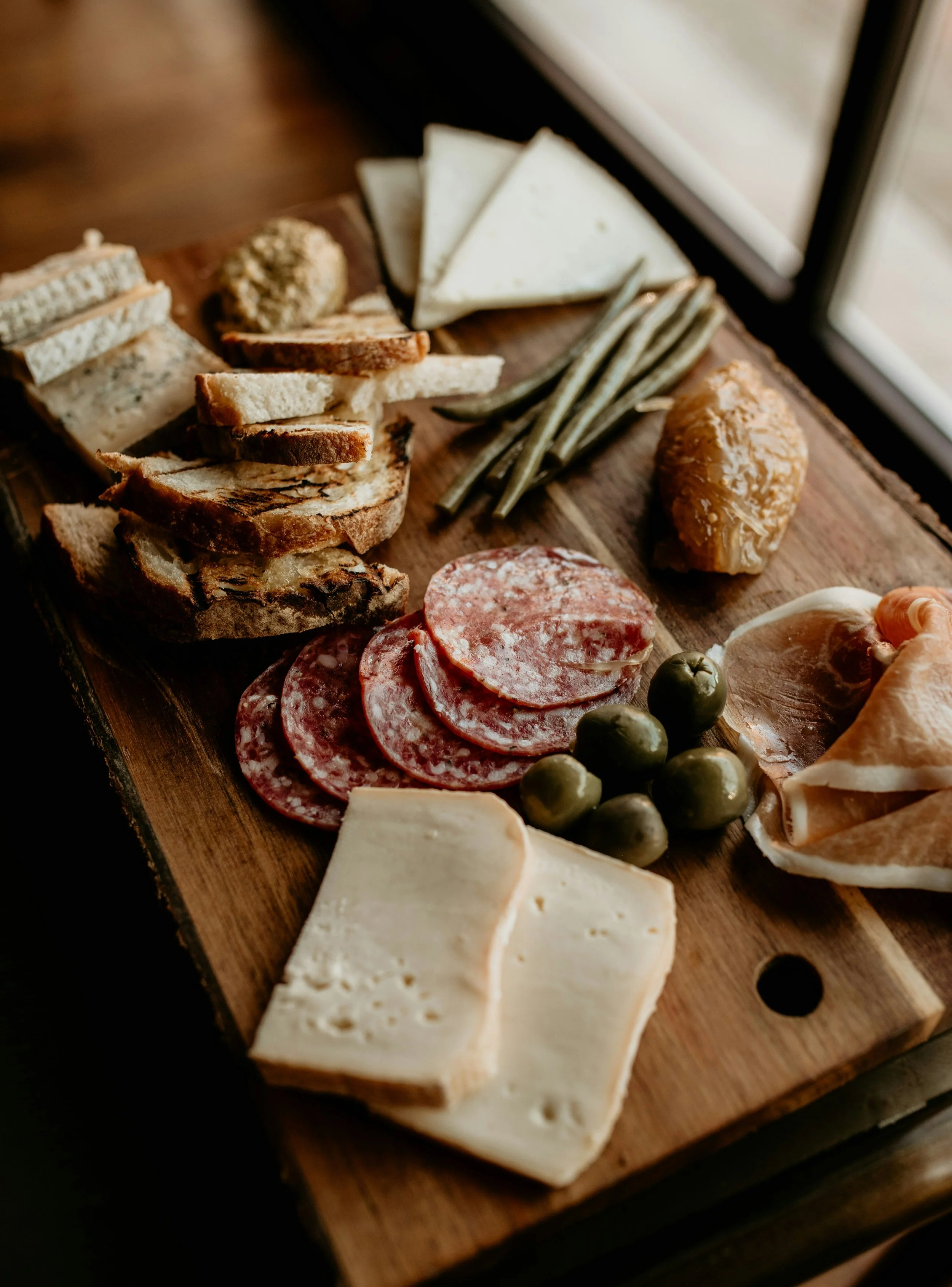
What Makes a Good Pairing?
The best combinations give each ingredient a purpose. One brings richness, another brings freshness, and something else might add a little crunch.
Meat can be savory, rich, smoky, or salty, depending on the cut and preparation. Cheese brings anything from gentle creaminess to a sharp, tangy bite. Fruit adds sweetness, acidity, juice, and texture.
Think of fruit as part of the savory meal, too. A slice of pear can balance a bold cheese. A squeeze of lemon can brighten roasted chicken. A few tart cherries can bring a rich duck dish together.
You don’t need all three ingredients every time. Start with a pairing you enjoy, then add something else when it makes the bite better.
Three Simple Ways to Build a Better Bite
1. Balance richness with freshness
Rich food often benefits from something juicy, tart, or crisp alongside it. Think of an apple with creamy Brie, orange with duck, or pomegranate with lamb.
That contrast makes the next bite feel brighter and less heavy. It’s what cooks mean when they say acidity “cuts through” richness.
If a combination feels a little too rich, try adding fresh fruit or a small squeeze of citrus where it fits.
2. Match the strength of the flavors
Fresh mozzarella has a gentle flavor that leaves plenty of room for a ripe peach to shine. Blue cheese is much bolder, so a small amount alongside a sweet, juicy pear may be all you need.
Choose one ingredient to lead and let the others support it. If every ingredient is strong, salty, or heavily seasoned, the bite can become overwhelming.
Start small. You can always add more cheese or another slice of meat after tasting.
3. Mix up the textures
Texture makes a pairing more interesting, too.
A crisp apple beside soft cheese gives you contrast. A juicy grape refreshes a bite of firm cheddar. Thinly sliced prosciutto is easier to enjoy with delicate melon than a thick, chewy piece of meat would be.
If everything on the plate is soft, add something crisp. If everything feels dry or firm, bring in a juicy fruit or creamy cheese.
How to Pair Meat and Fruit
Start with the meat and the way you plan to prepare it.
Mild chicken works with a wide range of fruit, from lemon and grapes to peaches and apples. Pork is especially easy to pair with orchard fruits—think apples, pears, peaches, and plums. Richer meats such as duck and lamb can hold their own alongside tart cherries, pomegranate, or dried apricots.
The fruit doesn’t always need to go into the pan. It might become a fresh topping, a simple side, or a spoonful of sauce served with the finished meat.
For an easy place to start, serve pork chops with sautéed apples and sage. Or add fresh peaches and basil to a plate of sliced chicken. You are building on familiar ingredients, with one small change that brings something new to the meal.
How to Pair Cheese and Fruit
Taste the cheese first. Is its strongest quality saltiness, tang, creaminess, or sharpness?
Sharp cheddar pairs beautifully with a crisp apple. Tangy goat cheese welcomes ripe strawberries or figs. Salty feta works well with juicy watermelon, while soft Brie is lovely with pears.
The ripeness of the fruit matters as much as the variety. A firm, tart peach gives you a different bite from a soft, deeply sweet one. Taste what you have and adjust the amount of cheese to suit it.
You don’t need the most expensive cheese or the most elaborate board. A few ingredients that taste good together will do more for the plate than a crowded assortment chosen just for appearance.
Bringing All Three Together
Before you assemble an entire board or salad, make one small bite with the meat, cheese, and fruit together.
Try turkey, sharp cheddar, and apple. Or prosciutto, mozzarella, and peach. Notice whether one ingredient overpowers the others, then adjust.
With stronger cheeses, use a little less. With salty cured meats, let the fruit bring more freshness. There’s no rule that says each ingredient needs to appear in equal amounts.
For a dinner party, choose a few combinations from the guide and place those ingredients near one another. Guests can see what to try together while still mixing and matching for themselves.
Fresh, Cooked, or Dried? The Form Matters
The same fruit can play a different role depending on how you use it.
Fresh fruit brings juice, brightness, and texture. Try it on a board, in a salad, or beside cooked meat.
Cooked fruit becomes softer and more integrated into a dish. Think apples cooked in a skillet or cherries simmered into a savory sauce.
Dried fruit brings concentrated sweetness and chewiness. Start with a little chopped apricot or fig, especially alongside a rich cheese or in a braise.
Preserves and chutneys can add flavor in a small spoonful. Taste them first so their sweetness doesn’t take over.
A fresh plum, a roasted plum, and plum preserves won’t behave the same way on your plate. Let the form of the fruit guide how much you use.
How to Fix a Pairing That Feels Off
You rarely need to start over. Adjust one thing, take another bite, and see what changes.
Too salty? Use less cured meat or cheese and add more fresh fruit.
Too sweet? Reduce the dried fruit or preserves, or choose a tarter fresh fruit.
Too rich? Add crisp apple, tart fruit, or a little citrus where it fits.
Too bland? Try a sharper cheese, a little seasoning, or fresh herbs.
Too many strong flavors? Keep your favorite bold ingredient and make the others milder.
Herbs can help bring a pairing together. Basil is lovely with peaches and mozzarella. Sage works well with apples and pork. Mint adds freshness to lamb and pomegranate.
Start With What’s in Your Kitchen
You don’t have to wait for a dinner party to practice.
Put leftover roast chicken, a little cheese, and ripe fruit on a plate. Try cheddar with apple slices. Taste the ingredients separately, then together. Notice what happens when you add more fruit or use less cheese.
That’s food education you can practice at your own table—and it’s how cooking becomes more intuitive.
For me, cooking with real food means getting familiar with the ingredients themselves: how they taste, how they change, and what helps them work together. The more you notice, the easier it becomes to make something delicious with what you already have.
Happy cooking!
Cassidyy