
Slow-Roasted Beef Bourguignon: A Deeply Flavorful Dutch Oven Beef Stew With Red Wine, Mushrooms and Potatoes
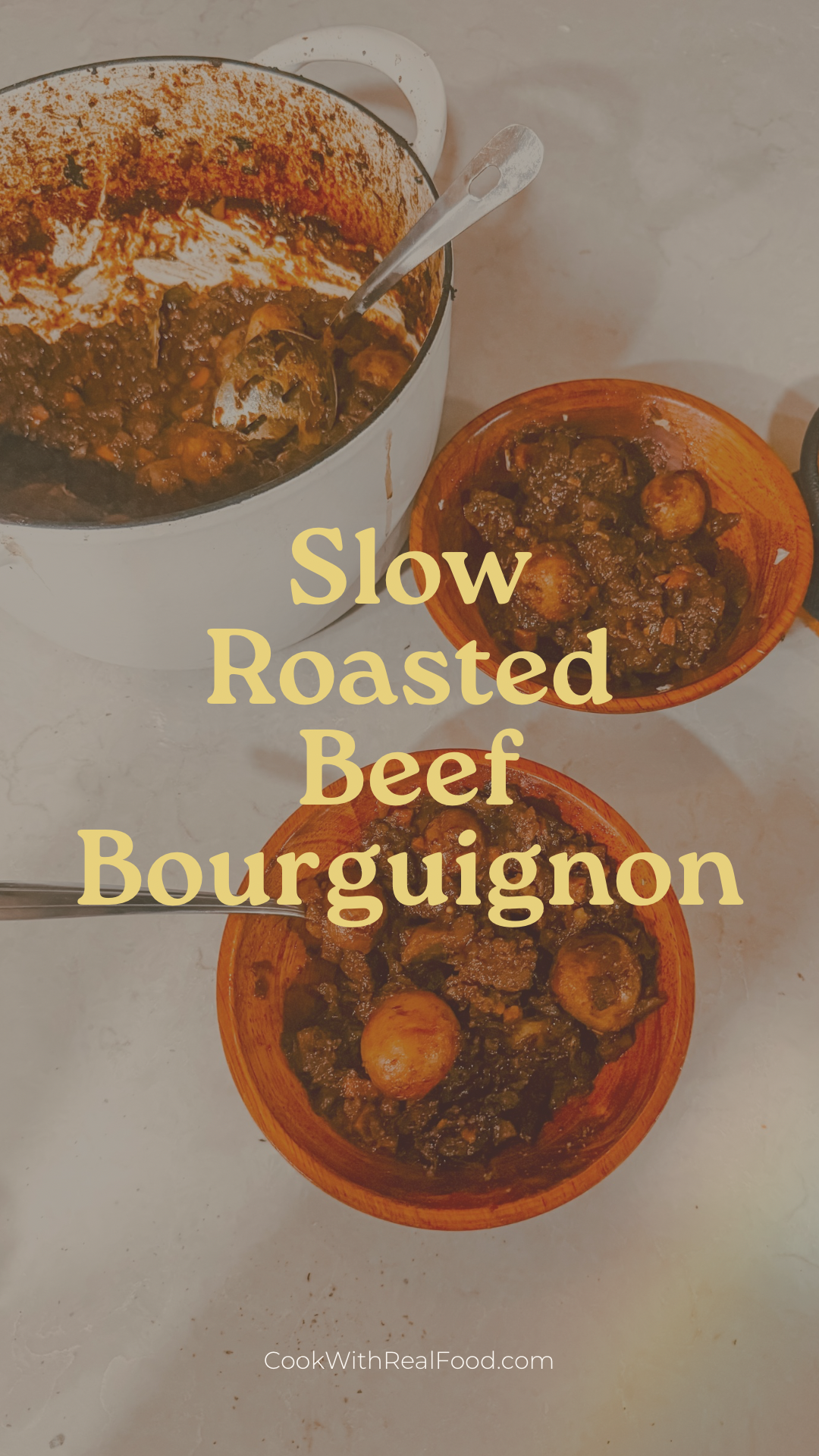
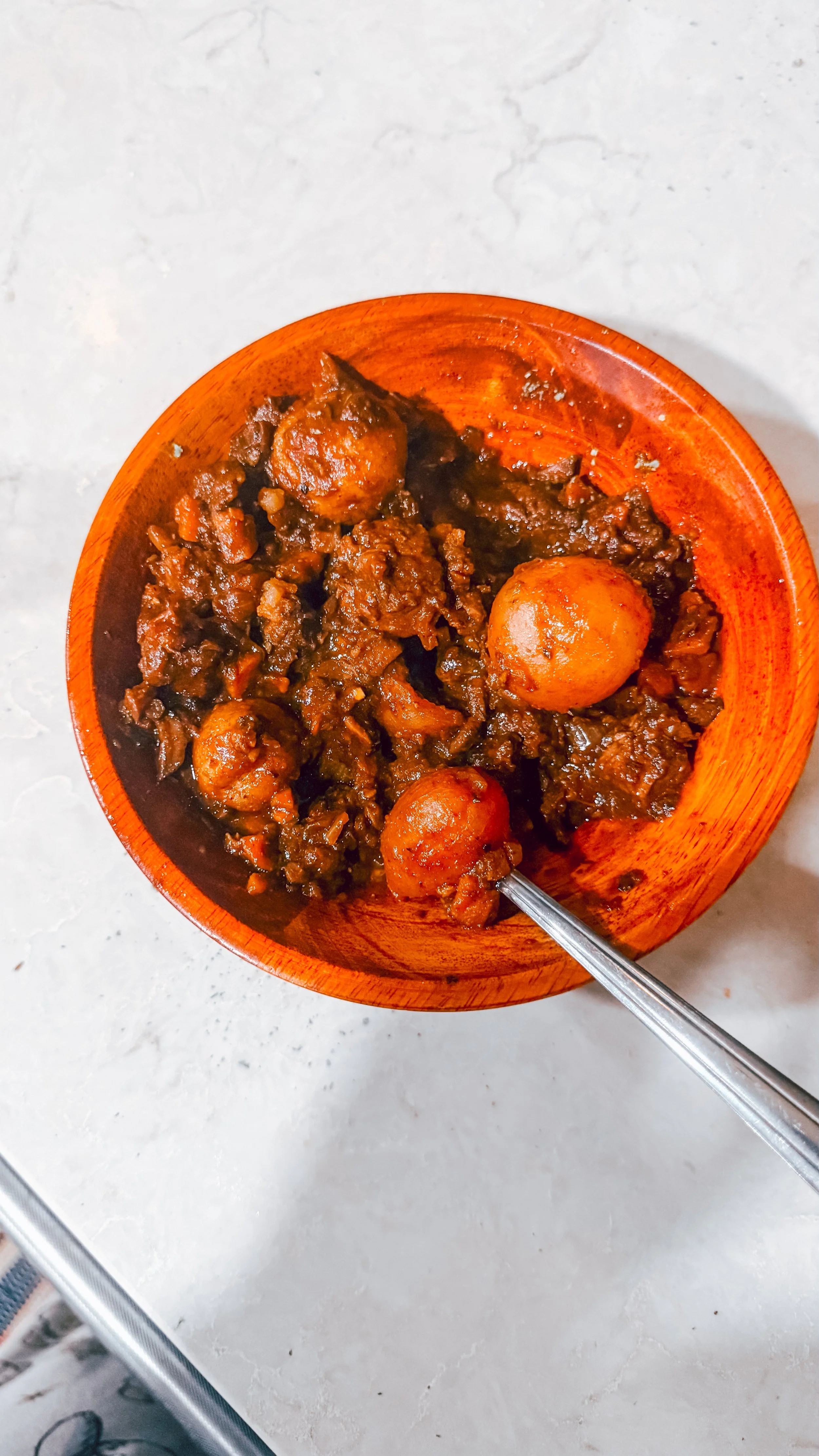
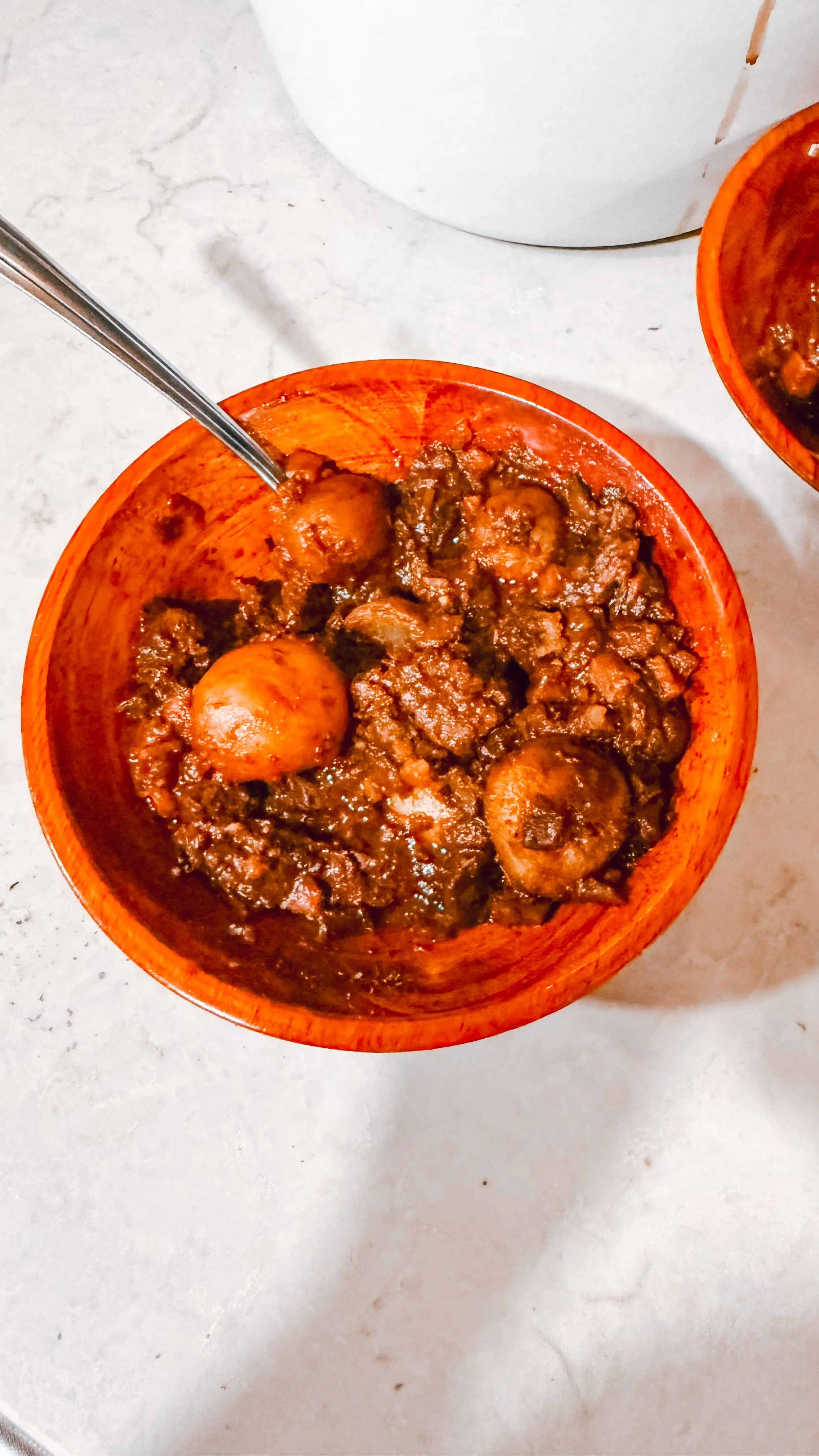
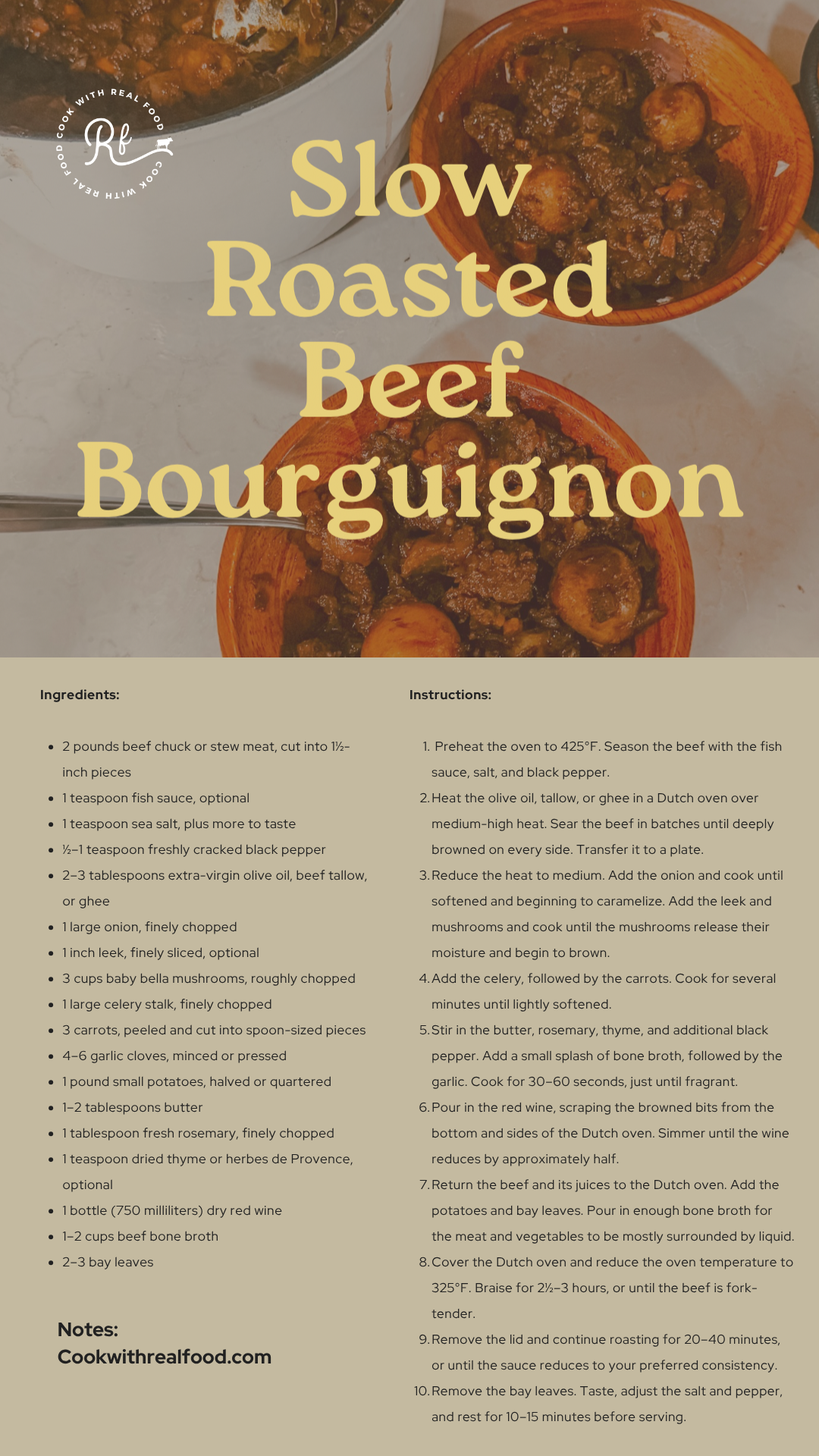
This slow-roasted beef bourguignon is made with tender beef, an entire bottle of red wine, beef bone broth, mushrooms, carrots, potatoes, garlic, rosemary, and plenty of patient, low-and-slow cooking.
It is my real food & rustic take on the traditional French dish. Classic beef bourguignon often begins with bacon, but I skipped it and built the flavor directly from the beef, deeply cooked vegetables, rich bone broth, and red wine.
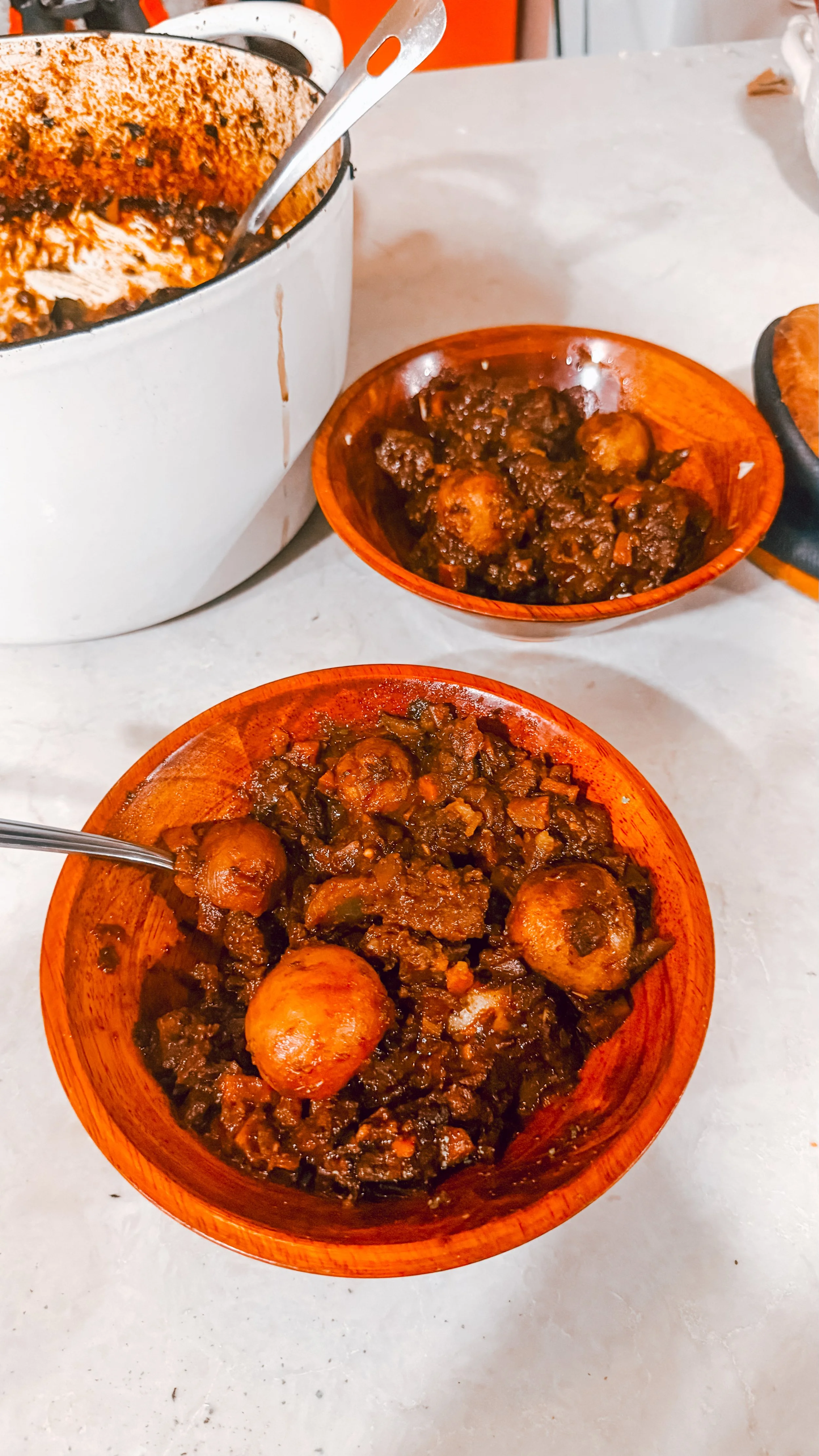
The result is a deeply savory, comforting stew with fork-tender meat and a glossy sauce that reduces naturally without needing flour or another thickener.
Pinterest Family—Here’s the Recipe
You came for the recipe, so I won’t make you scroll for it. Here is everything you need to start cooking.
Slow-Roasted Beef Bourguignon
Prep time: Approximately 45 minutes
Stovetop cooking time: Approximately 45 minutes
Covered roasting time: Approximately 2½–3 hours
Uncovered roasting time: Approximately 20–40 minutes
Total time: Approximately 4½–5 hours
Servings: Approximately 6
For the Beef
2 pounds grass-fed, grass-finished beef chuck or stew meat, cut into approximately 1½-inch pieces
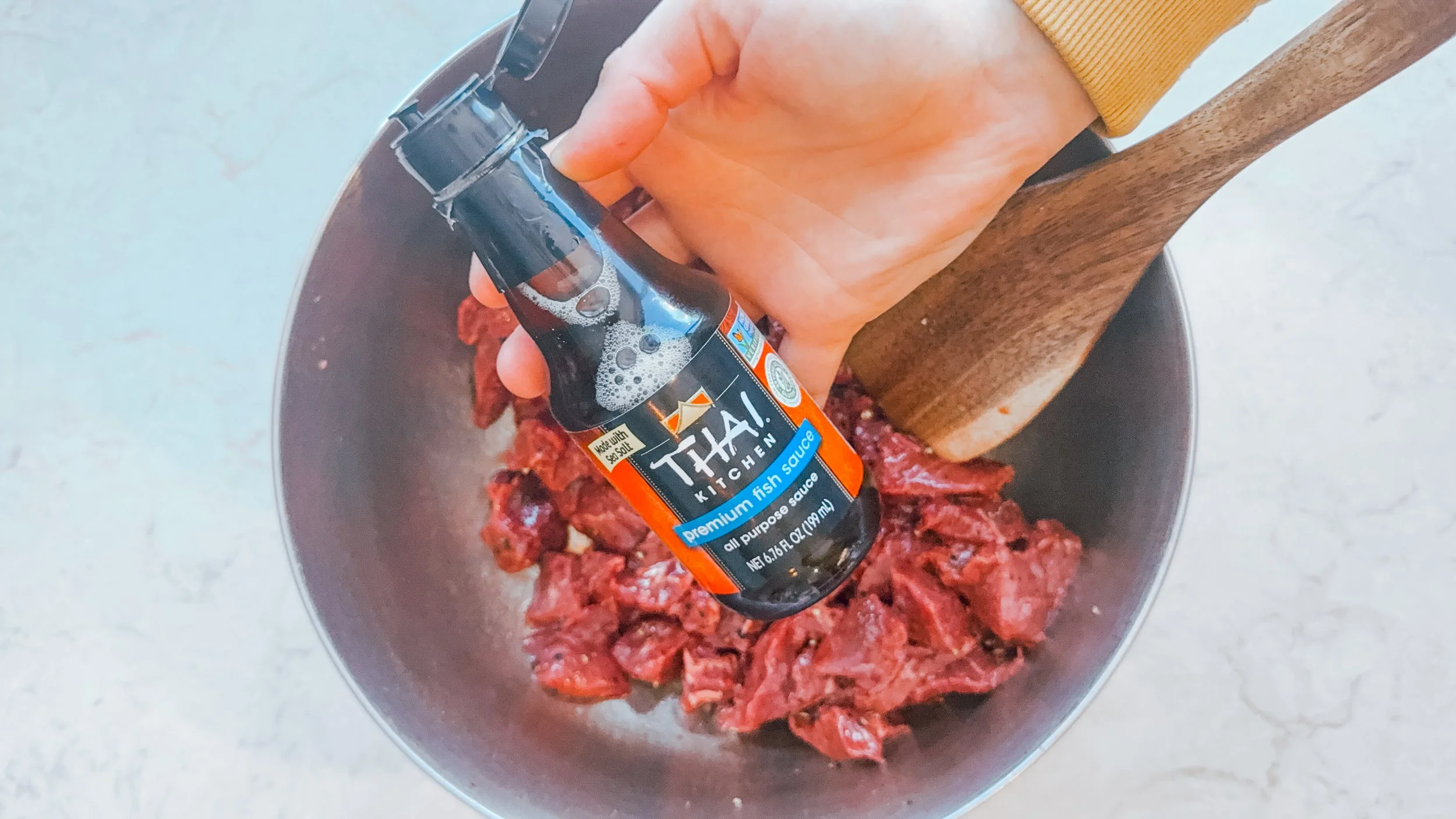
1 teaspoon fish sauce, (optional!)
1 teaspoon sea salt, plus more to taste
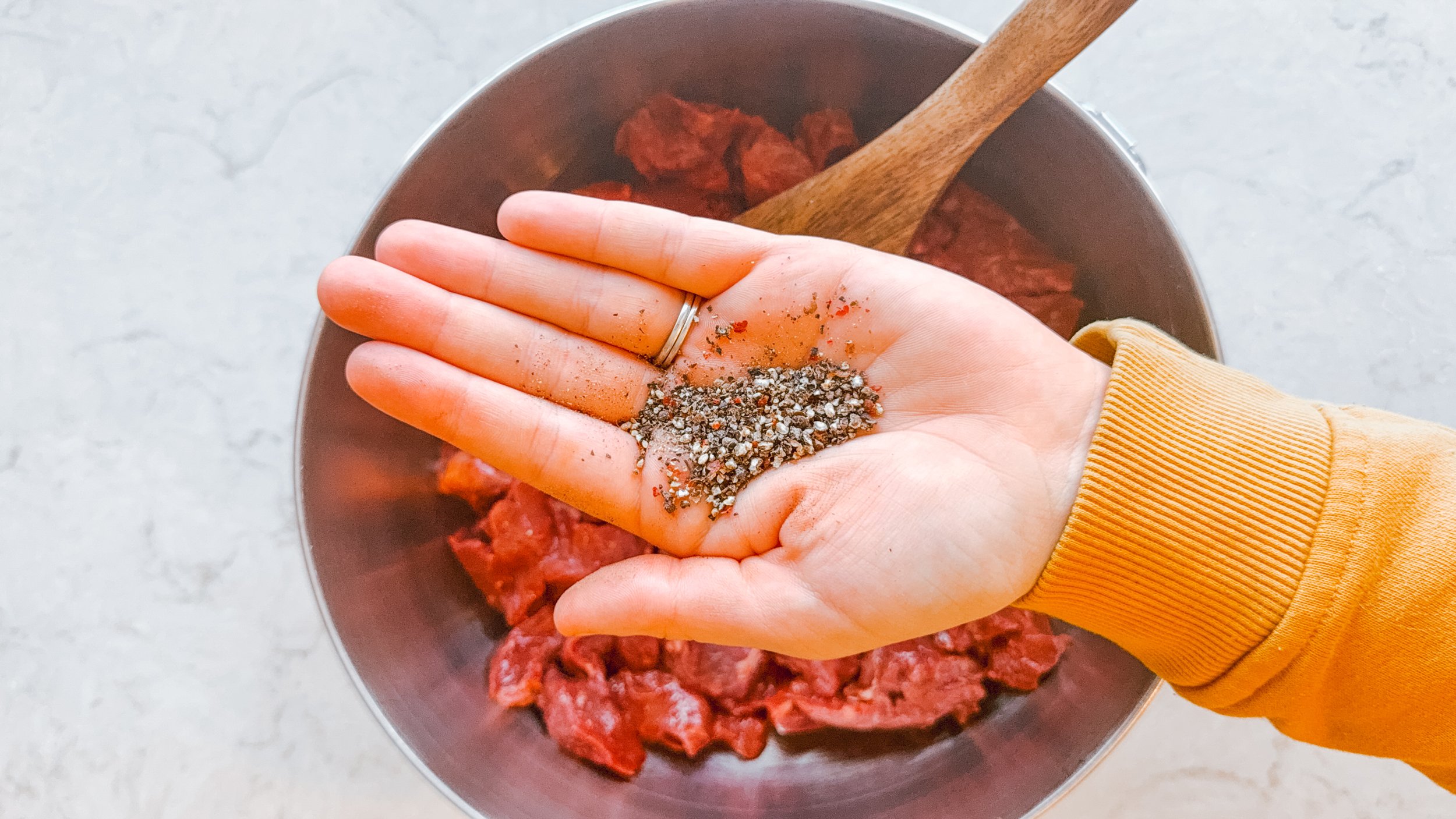
½–1 teaspoon freshly cracked black pepper
2–3 tablespoons extra-virgin olive oil, beef tallow, or ghee, plus more as needed
For the Vegetables
1 large yellow or white onion, finely chopped
Approximately 1 inch of leek, finely sliced, optional
2-3 cups baby bella mushrooms, roughly chopped
3 large celery stalk, finely chopped
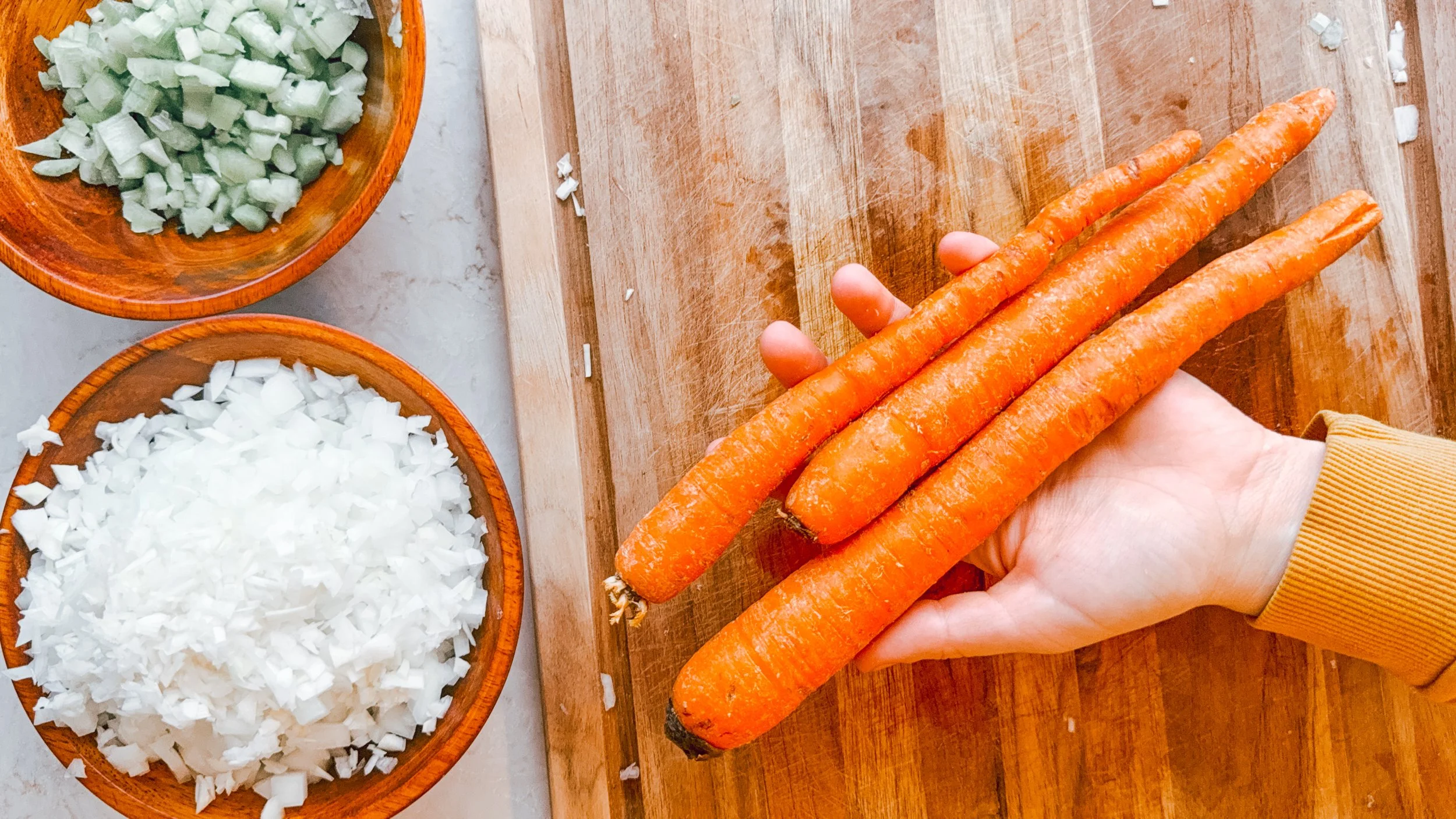
3 carrots, peeled and cut into small, spoon-sized pieces
4–6 garlic cloves, minced or pressed
1 pound small potatoes, halved or quartered into spoon-sized pieces
For the Sauce
1–2 tablespoons butter
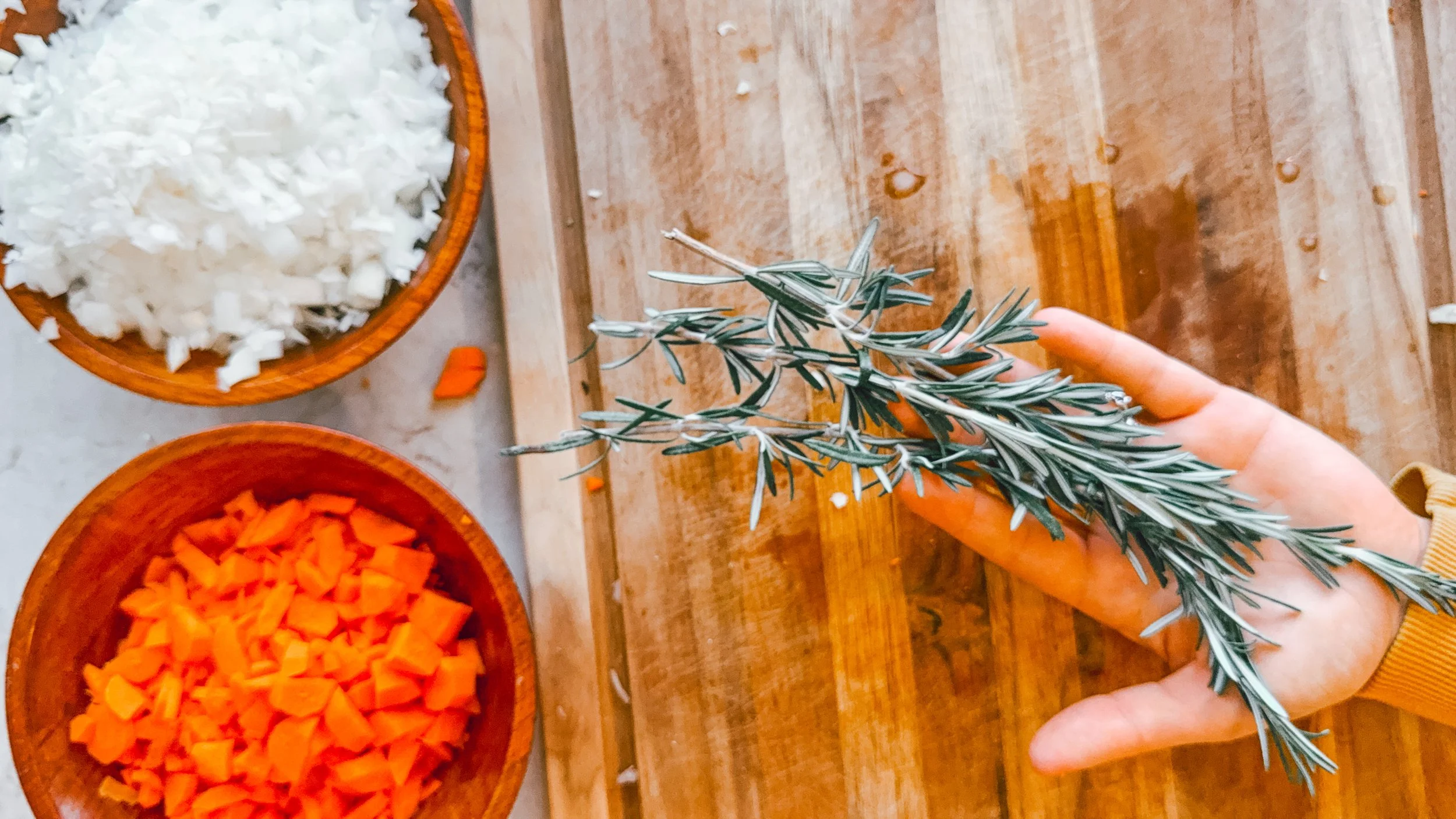
1 tablespoon (about 3 large springs) finely chopped fresh rosemary, or 1/2 tablespoon dried
1 tablespoon dried thyme or herbes de Provence, optional
1 full bottle of your favorite organic dry red wine
1–2 cups beef bone broth, divided
2–3 medium bay leaves
Additional salt and freshly cracked black pepper, to taste
The Short Version
Preheat the oven to 425°F while you prepare the ingredients. Season the beef with salt, pepper, and a small amount of fish sauce, if using.
Heat the fat in a Dutch oven over medium-high heat. Sear the beef in batches until deeply browned on every side, then transfer it to a plate.
Reduce the heat to medium. Add the onion first and cook until it begins to soften and caramelize. Add the leek and mushrooms and continue cooking until the mushrooms release their moisture and begin to brown.
Add the celery, followed by the carrots. Cook each addition long enough to soften slightly and concentrate its flavor.
Stir in the butter, rosemary, dried herbs, and additional black pepper. Add a small splash of bone broth, followed by the garlic. Cook only until the garlic becomes fragrant.
Pour in approximately half of the red wine and scrape all the browned bits from the bottom and sides of the Dutch oven. Add the remaining wine and simmer until the liquid reduces by approximately half.
Return the beef to the Dutch oven. Add the potatoes and bay leaves, then pour in enough bone broth for the meat and vegetables to be mostly surrounded by liquid.
Cover the Dutch oven, reduce the oven temperature to 325°F, and roast for approximately 2½–3 hours, or until the beef is fork-tender.
Remove the lid and continue roasting for approximately 20–40 minutes, or until the sauce reduces to your preferred consistency.
Remove the bay leaves, taste, and adjust the salt and pepper before serving.
From My Kitchen
This recipe is something of an homage to Julia Child, although I am admittedly very late to that particular party.
People had mentioned her to me for years, but I did not actually sit down and watch a video of her until last fall. She was unmistakably a legend, and beef bourguignon felt like the perfect recipe through which to appreciate the kind of deeply layered, patient cooking she was known for.
My version is rustic and personal rather than strictly traditional.
Traditional beef bourguignon often begins with bacon, but I decided to let the beef be the center of the dish. I also added mushrooms early because I wanted them to cook down into the sauce, potatoes because I wanted this to feel like a complete Sunday dinner, and just a little fish sauce to create an additional layer of salty, savory flavor around the beef.
This is not a hurried recipe. (Low and slowww is the secret ingredient.)
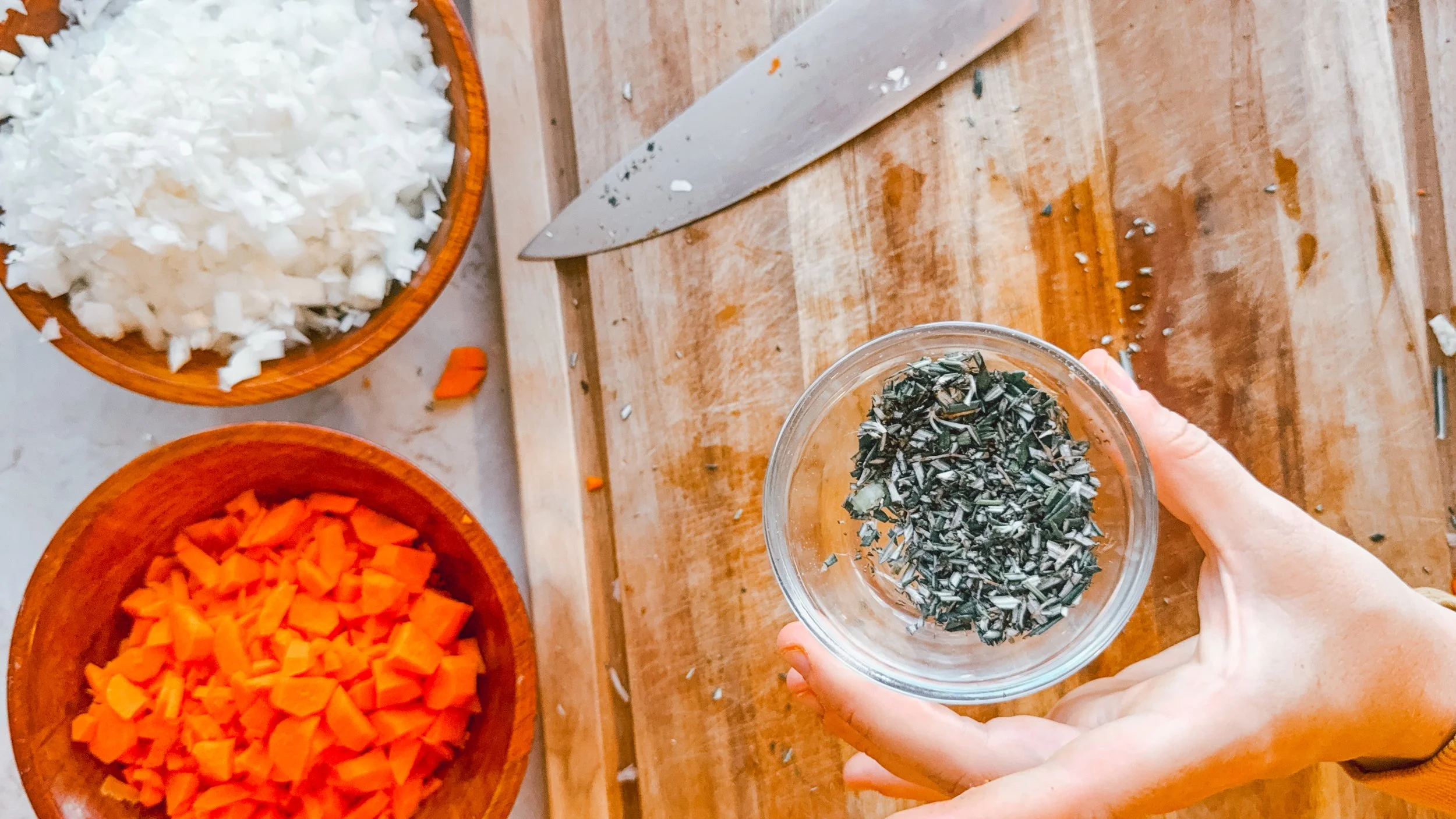
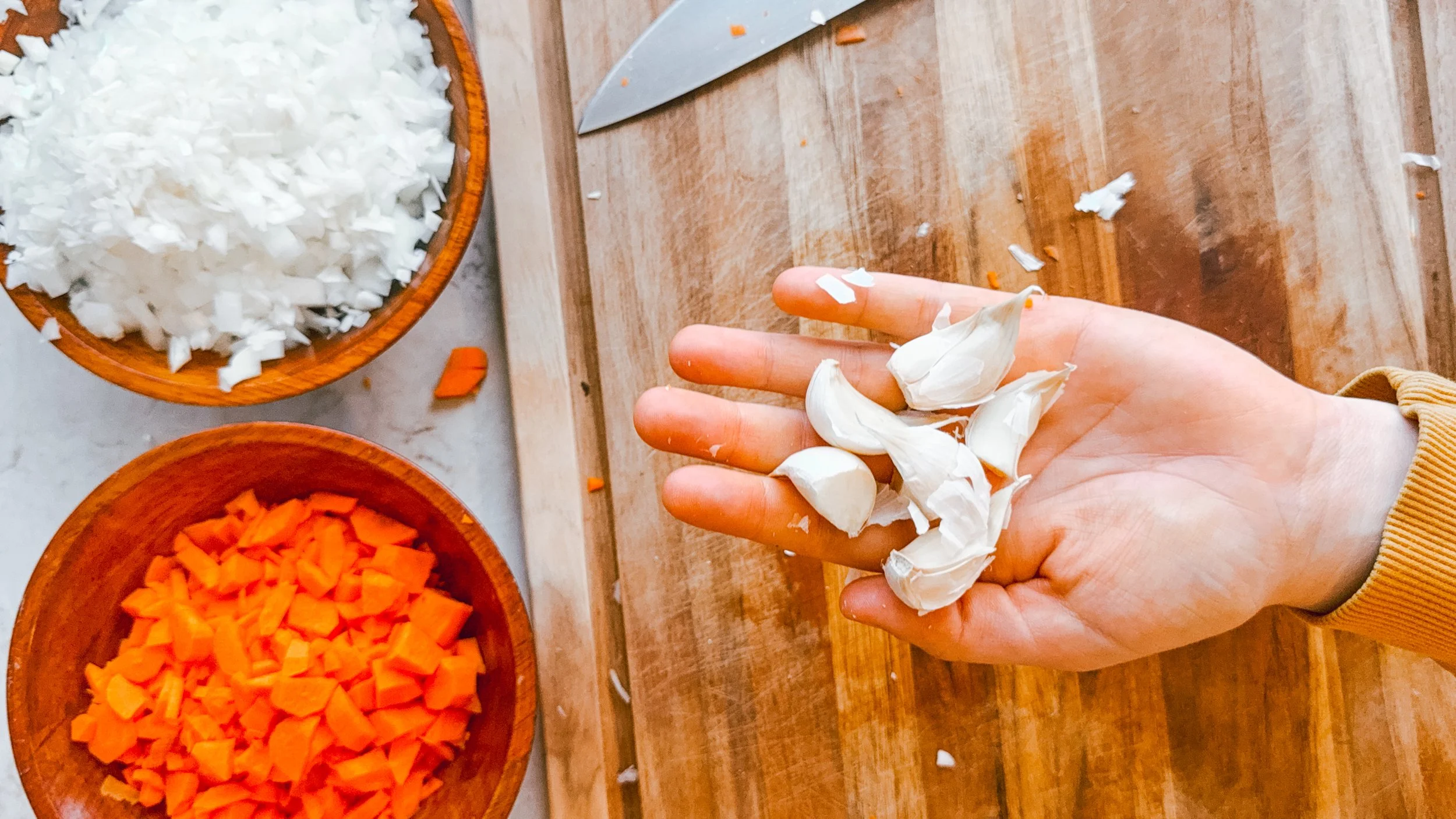
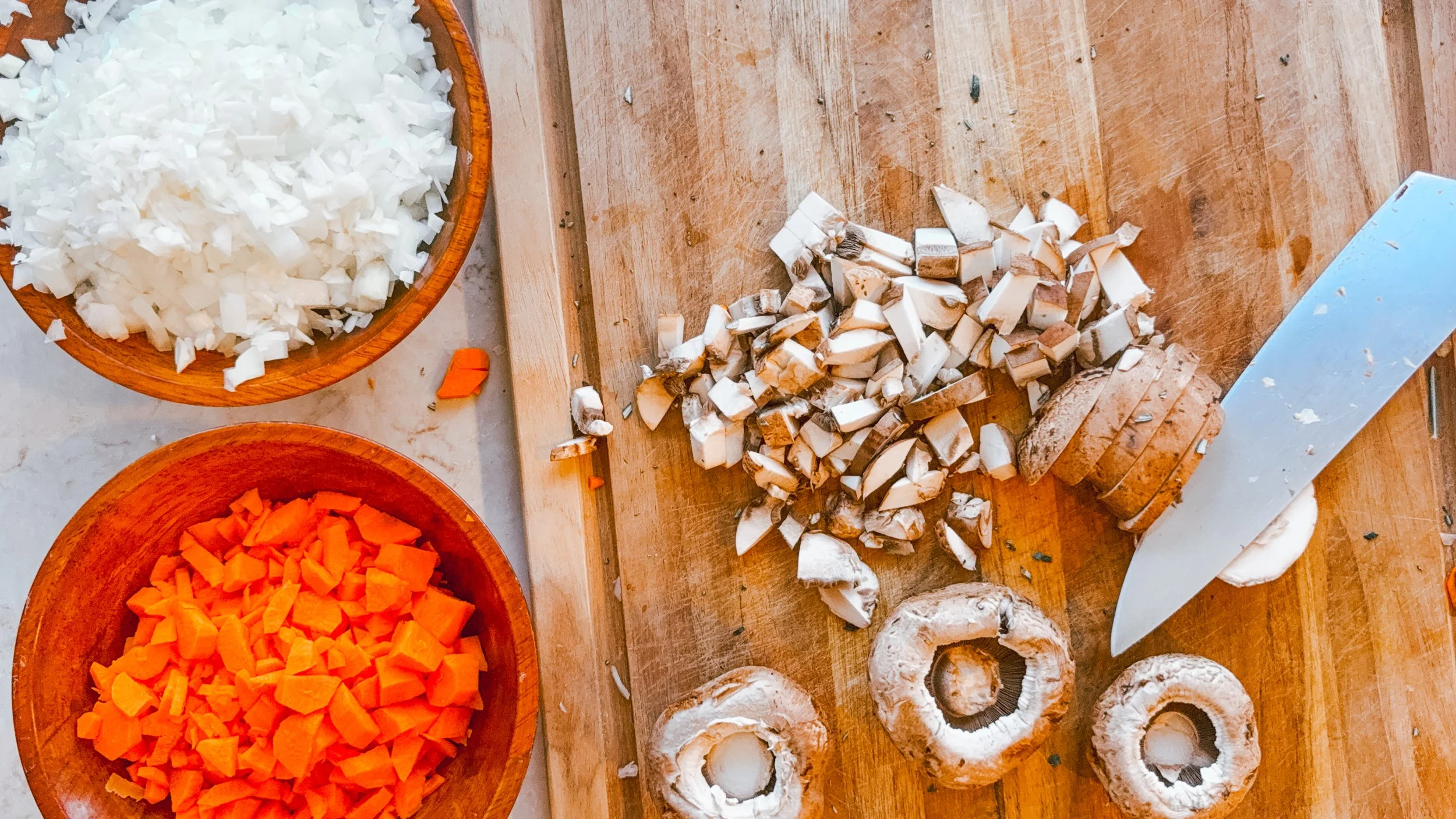
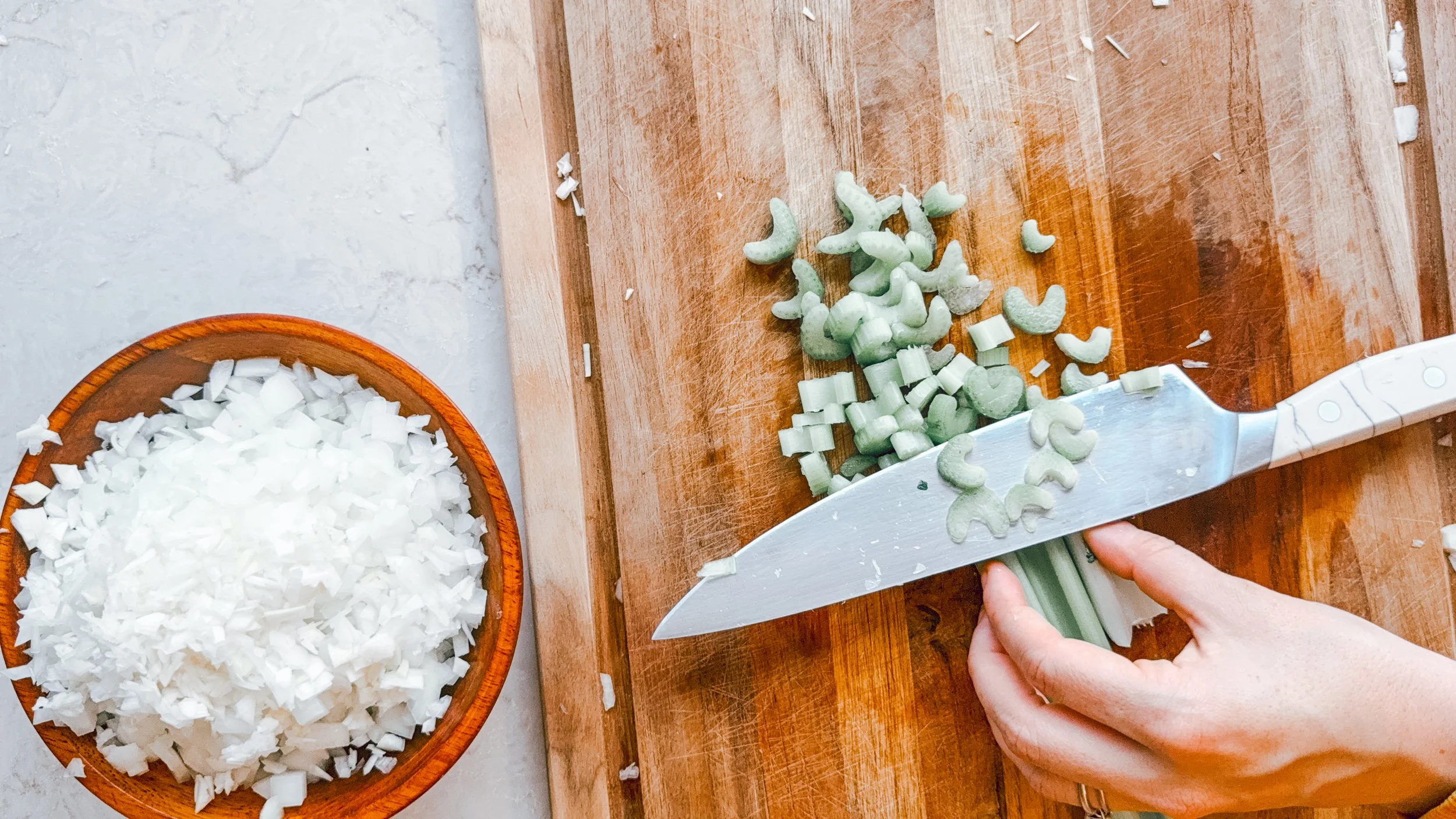
My mise en place alone took me somewhere around 45 minutes because I wanted every vegetable to be thoughtfully cut. I kept asking how each ingredient would eventually appear on the spoon. I did not want an enormous piece of celery in one bite, half a carrot in another, and no beef until the third.
That might sound overly particular, but it makes the finished dish far more enjoyable. When the vegetables are cut to a relatively similar scale, every spoonful contains a little of everything.
Daniel kept me company while I chopped; the raw audio of this recipe video is a hilarious blend of off-the-wall conversations and thoughtful life questions... our specialty.
By the time the onion, rosemary, garlic, celery, mushrooms, and beef began cooking, the entire kitchen smelled incredible. Then the wine went in, the Dutch oven went into the oven, and the only thing left to do was give it time.
It takes several hours, but most of those hours are not active cooking. Once the Dutch oven is covered and slowly roasting, the oven does the work.
Low and slow often equals maximum flavor, and this is one of those recipes that proves it.
Why This Recipe Works
Browning the beef creates the foundation
The brown crust formed while searing the beef is the first major layer of flavor in the dish.
This is why the meat needs to be cooked in batches. If too much meat is crowded into the Dutch oven at one time, the released moisture becomes trapped and the beef begins steaming instead of browning.
Give each piece enough room to make direct contact with the hot surface.
A little fish sauce adds savory depth
Fish sauce is optional, and the finished stew will not taste like fish.
I added a little to the raw meat to marinate lightly.
A very small amount brings salt and concentrated umami (almost a rich mushroom taste) to the surface of the beef. Once the meat is seared and surrounded by red wine, herbs, mushrooms, and broth, that flavor becomes part of the larger savory foundation.
Fish sauce is naturally salty, so use it sparingly and reduce the amount of additional salt until you taste the finished sauce.
The onion always goes first
One technique I have adopted throughout my kitchen is allowing the onion to cook before adding the garlic or the rest of the vegetables.
Onions need time to release their moisture, soften, and begin developing sweetness. Garlic cooks much more quickly and can become bitter if it is added at the beginning.
Starting with the onion gives it the time it deserves while protecting the garlic from burning.
Cooking the mushrooms concentrates their flavor
Mushrooms contain a surprising amount of water. Adding them early allows that moisture to evaporate before the braise begins.
As the water cooks away, the mushrooms become more concentrated and savory. They also absorb the browned flavor left behind by the beef.
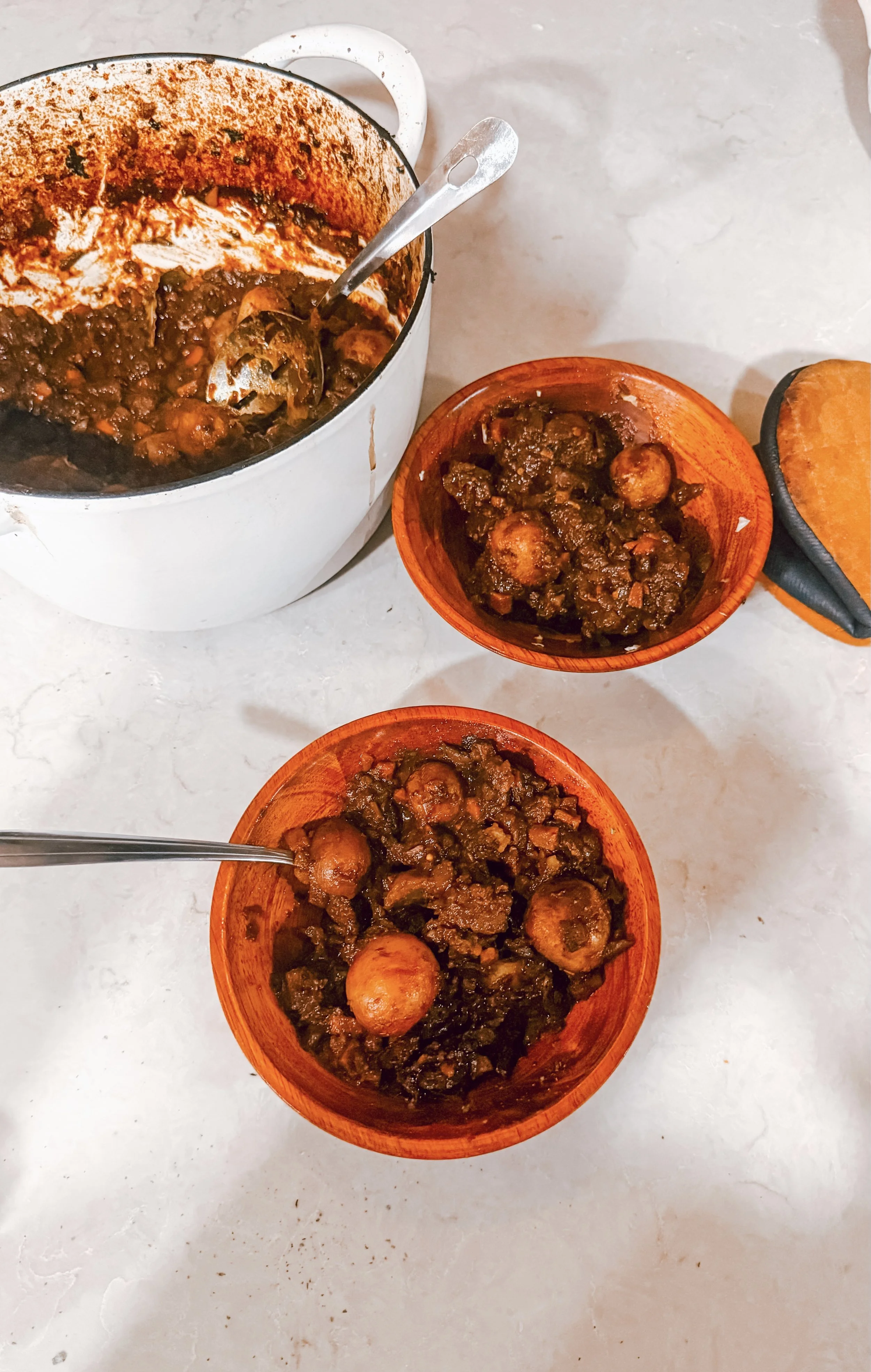
By the end, the mushrooms almost disappear into the stew, becoming part of the sauce rather than sitting on top as separate pieces.
The vegetables are added in stages
The vegetables do not all cook at the same rate.
The onion and mushrooms need the most time to release their moisture. Celery benefits from softening and becoming part of the aromatic base. Carrots retain their shape more easily, so they can be introduced slightly later.
Adding everything in stages allows each ingredient to develop more flavor than it would if the entire bowl of vegetables were dumped into the pot at once.
Garlic goes in near the end
The garlic is added only after the vegetables have cooked and a little liquid is present in the pot.
This allows the garlic to release its aroma without scorching against the bottom of the Dutch oven.
Once you can smell it, it is time to add the wine.
The wine is reduced before braising
A full bottle of red wine creates a bold sauce, but it first needs to reduce.
Simmering the wine concentrates its fruit, acidity, and complexity while cooking away some of the alcohol. It also releases the browned bits from the bottom and sides of the Dutch oven and pulls them into the sauce.
Allowing the wine to reduce by approximately half prevents the finished stew from tasting thin or sharply alcoholic.
Covering and uncovering control the final texture
The Dutch oven remains covered for most of the cooking time. The lid traps moisture and creates a gentle braising environment that helps the beef become tender.
Once the beef is ready, removing the lid allows excess liquid to evaporate. This naturally thickens and concentrates the sauce without adding flour.
The final uncovered roasting time can be adjusted depending on how much liquid remains and how thick you want the sauce.
A Closer Look at the Ingredients
Beef
Chuck roast is ideal because it contains connective tissue that softens during a long, slow braise.
You can purchase a whole chuck roast and cut it yourself or use precut stew meat. Try to keep the pieces approximately the same size so they finish cooking at the same time.
Grass-fed beef can be slightly leaner than conventional beef, making the low, slow, moist cooking method especially helpful.
Fish Sauce (Option! Hear me out)
Fish sauce is not a traditional beef bourguignon ingredient, but it adds a small amount of concentrated savory flavor. When you add it to the beef before browning, it will create a salt umami crust on the beef bites, creating more depth in the final bite.
Use around 1-2 teaspoons for 2 pounds of beef. You can always add more seasoning later, but it is difficult to correct an overly salty stew.
Omit it completely if you do not keep fish sauce in your kitchen.
Onion
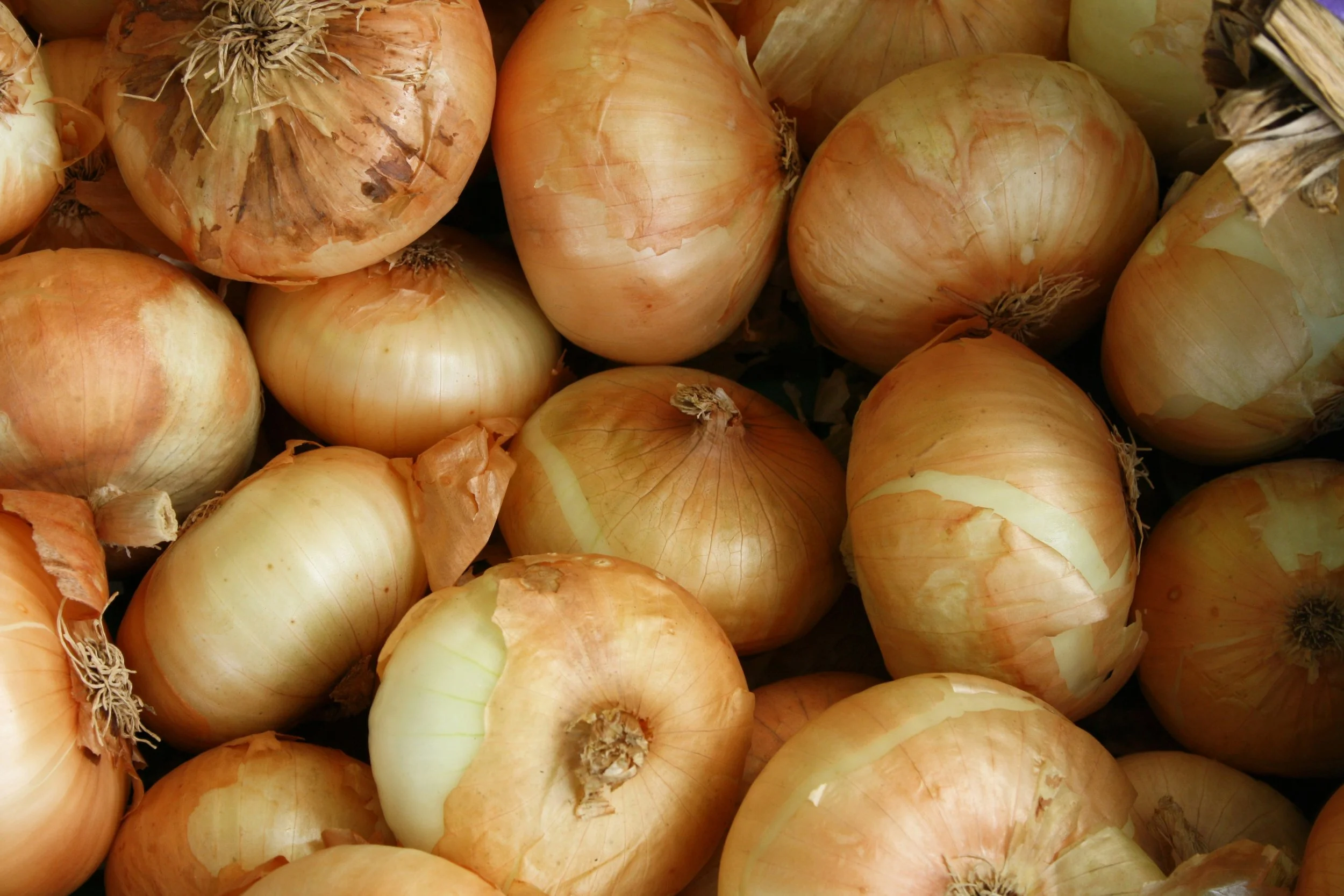
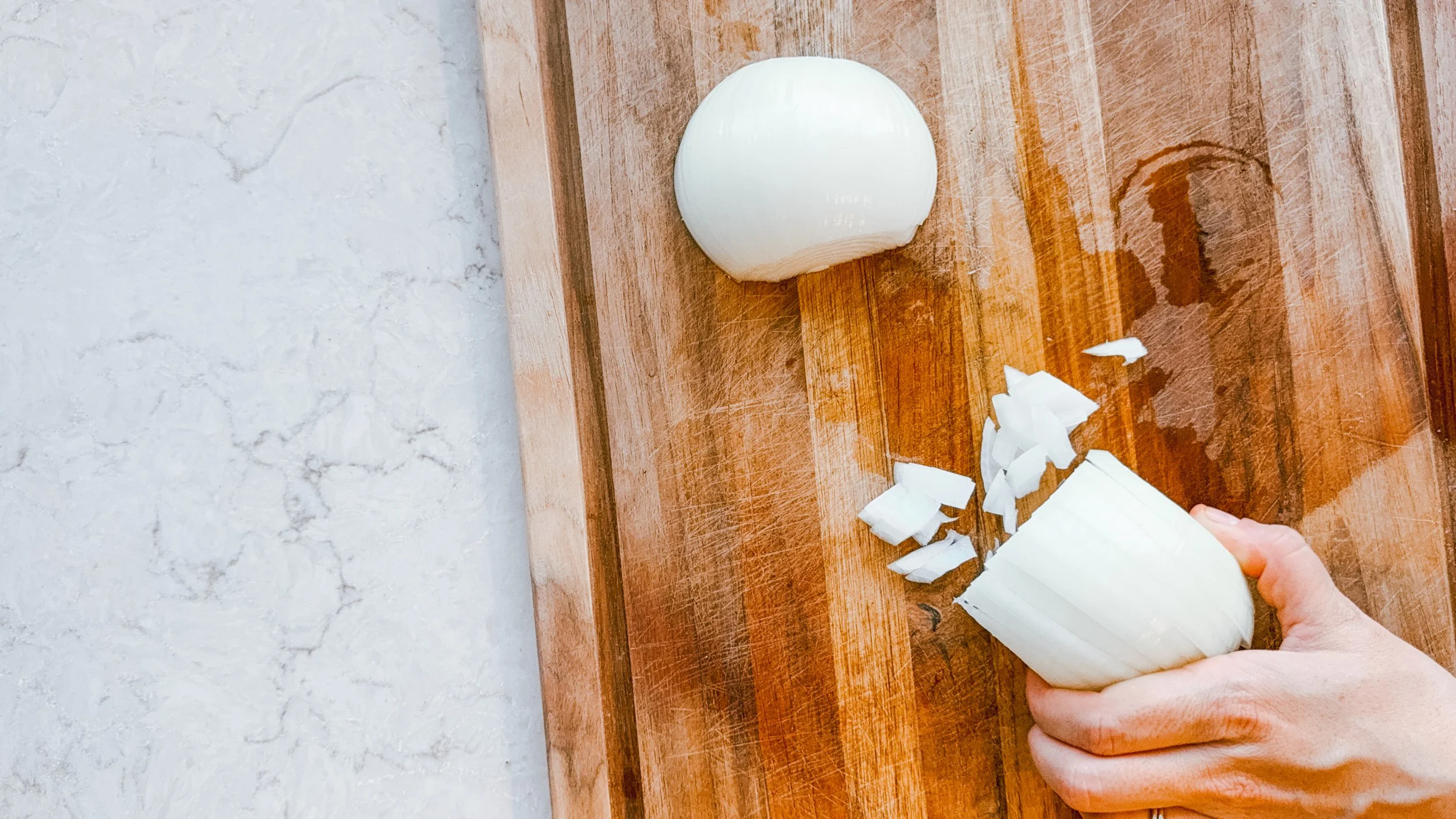
Finely chopping the onion helps it soften into the sauce.
The individual pieces do not need to be perfectly identical, but they should be relatively similar in size. This allows them to cook evenly and prevents large pieces from hanging off the spoon.
Leek
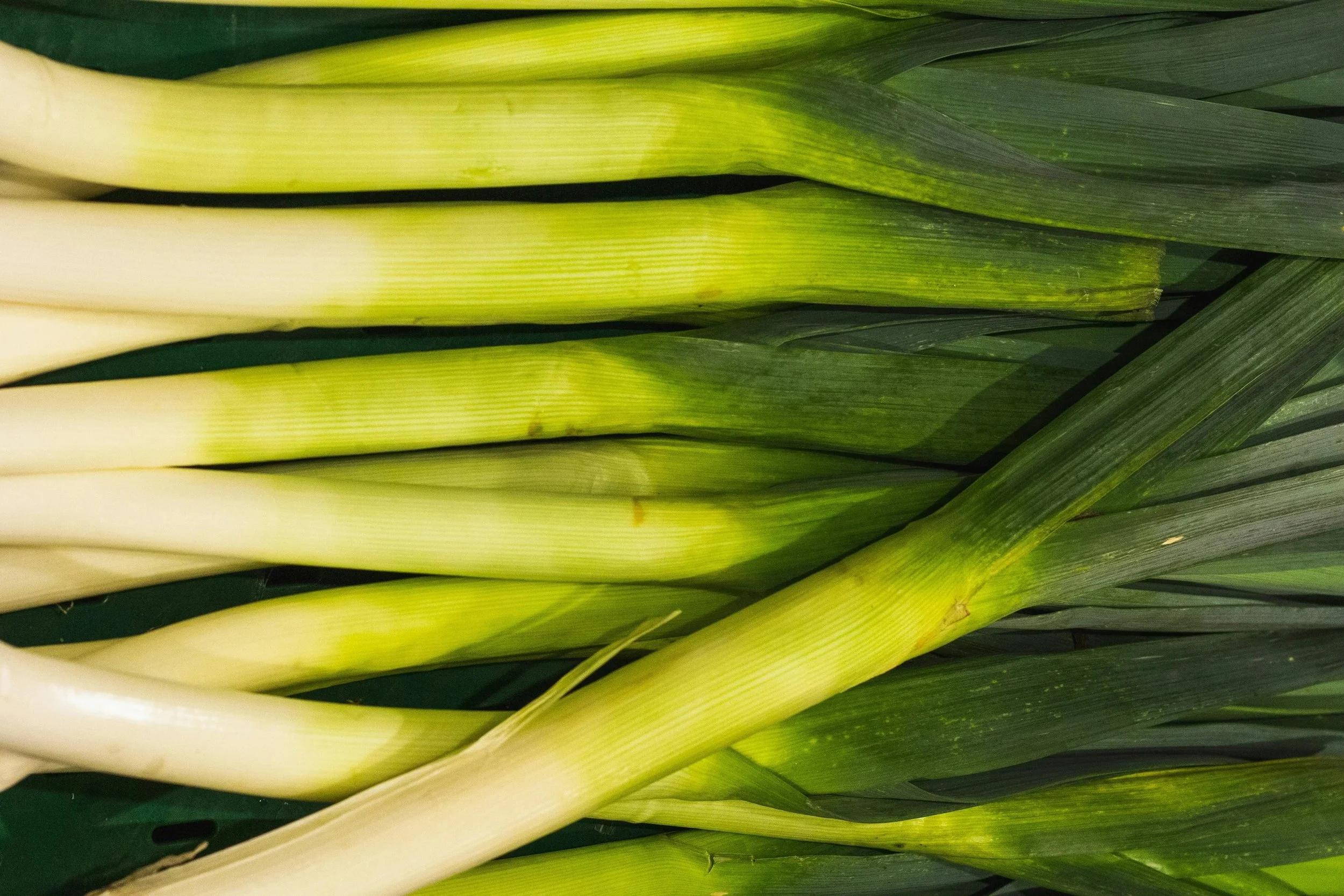
The leek is optional, but even a small amount adds another layer of savory flavor.
Leeks do not simply make a dish taste more like onion. They have their own gentle sweetness and work especially well in broths, soups, and slowly roasted dishes.
Slice the leek finely and rinse it thoroughly because soil can become trapped between its layers.
Celery
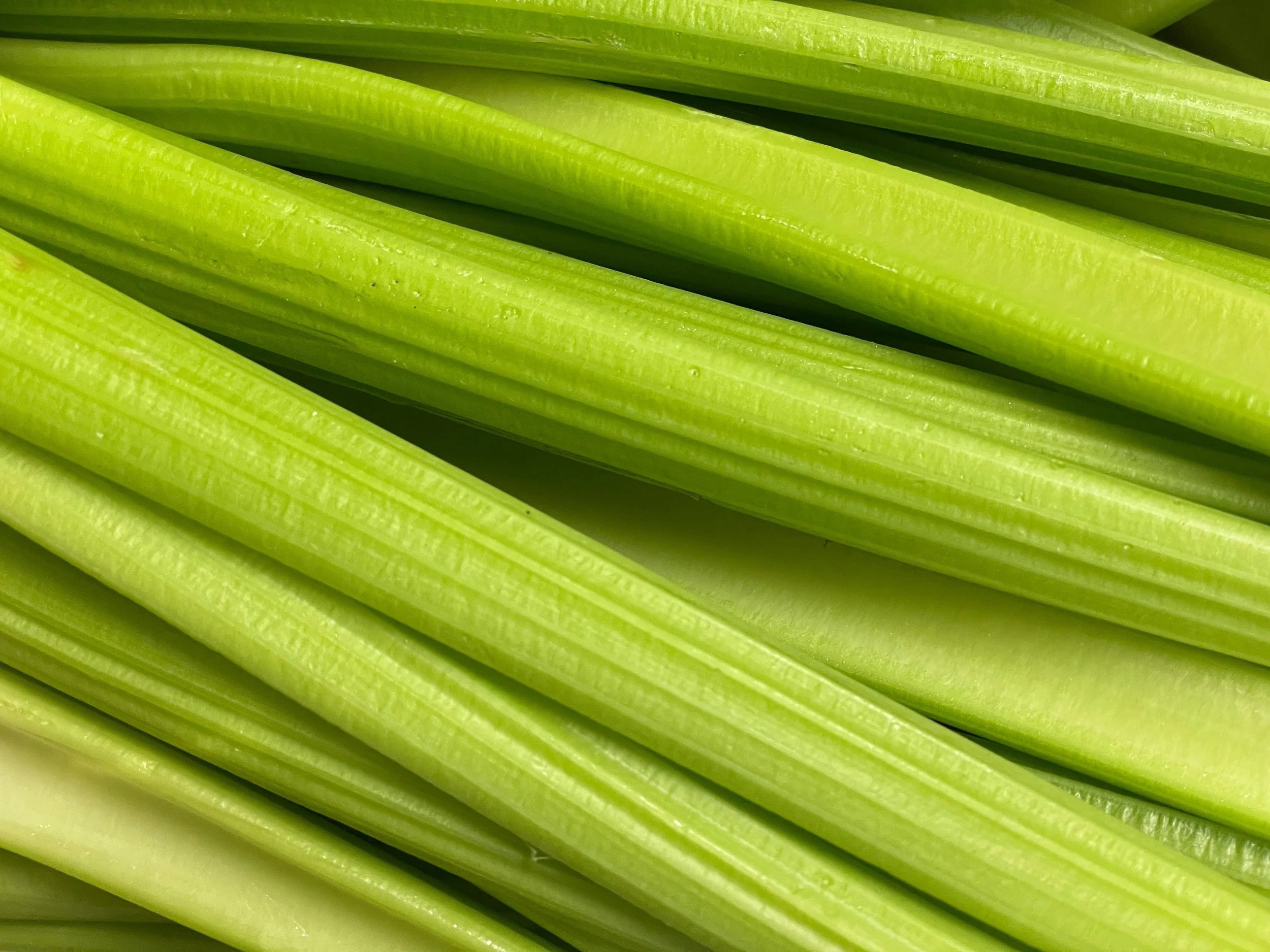
Finely chop the celery so it can become part of the aromatic base.
I save the pale end, leaves, and any clean trimmings for homemade stock. There is no reason to throw away pieces that can flavor something else later.
Carrots
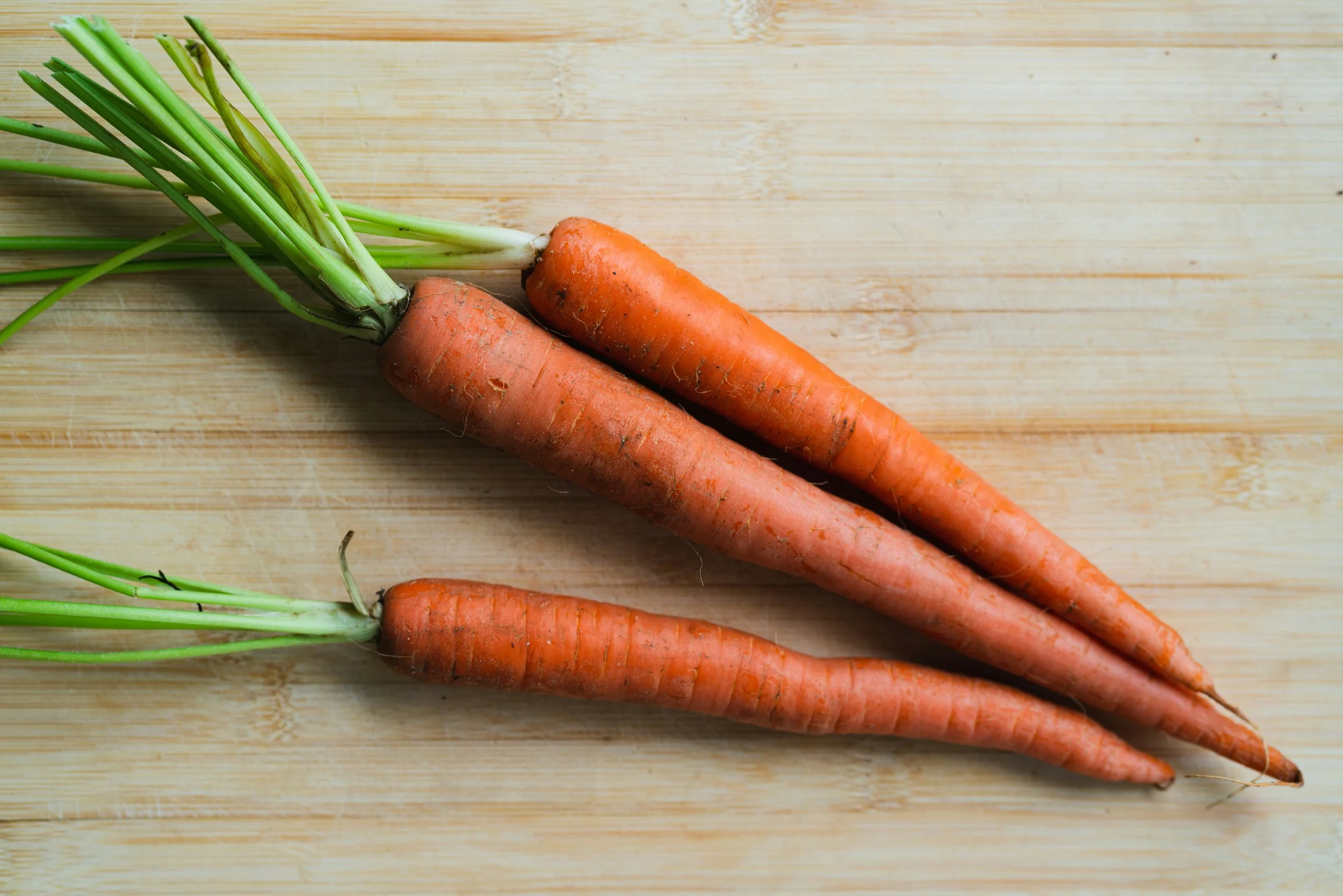
Carrots do not shrink as dramatically as mushrooms or onions, so consider their final size before adding them to the pot.
Peeling is optional, but I prefer the smoother texture of peeled carrots in this dish. Cut large carrots lengthwise into halves or quarters before slicing them into smaller pieces.
Mushrooms
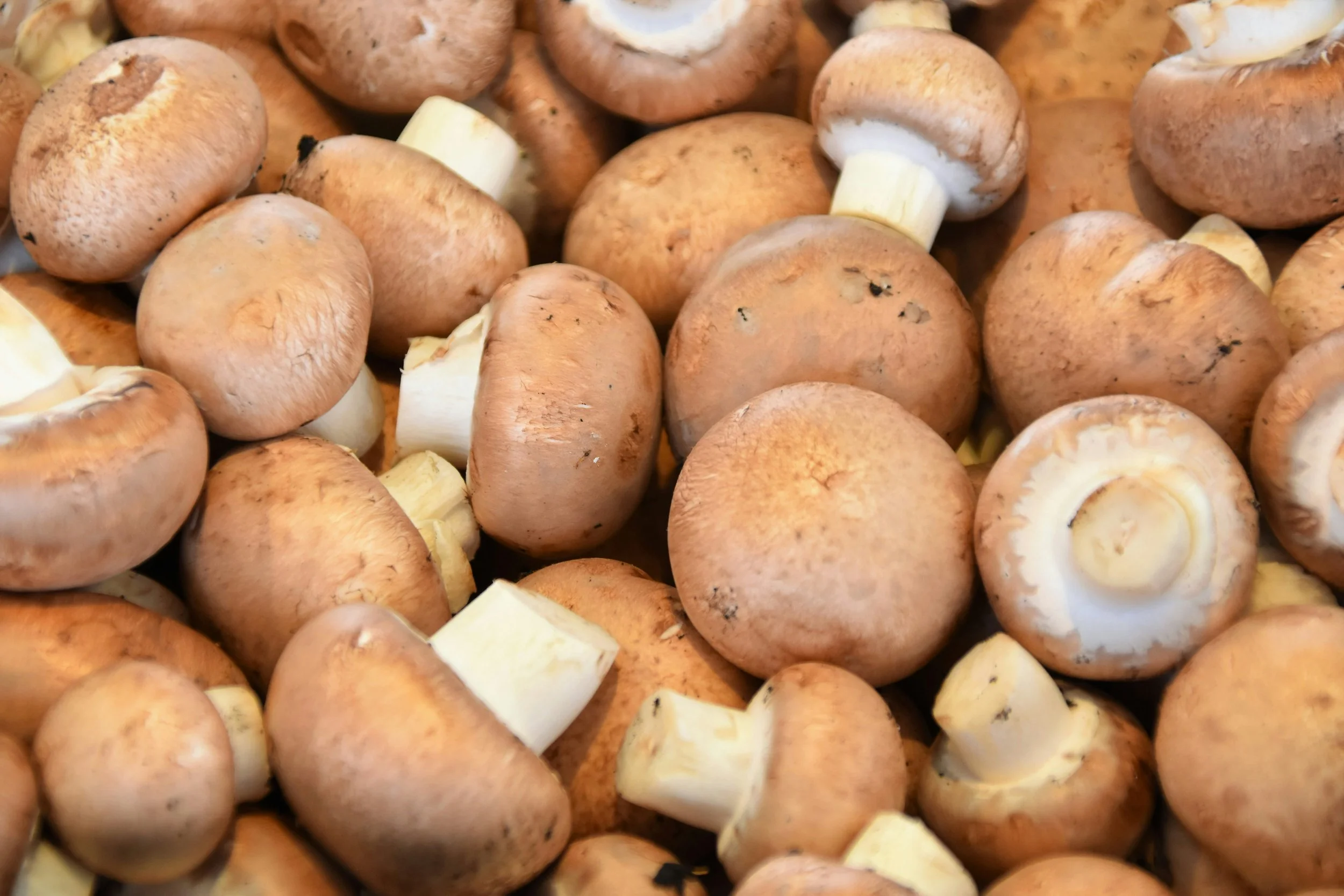
I used baby bella mushrooms and more of them than many recipes call for because I love mushrooms.
Remove any dry or tough stem ends. Tender stems are completely edible, but firmer trimmings can be saved for stock.
Mushrooms shrink considerably as they cook, so even three cups will not overwhelm the finished stew.
Potatoes
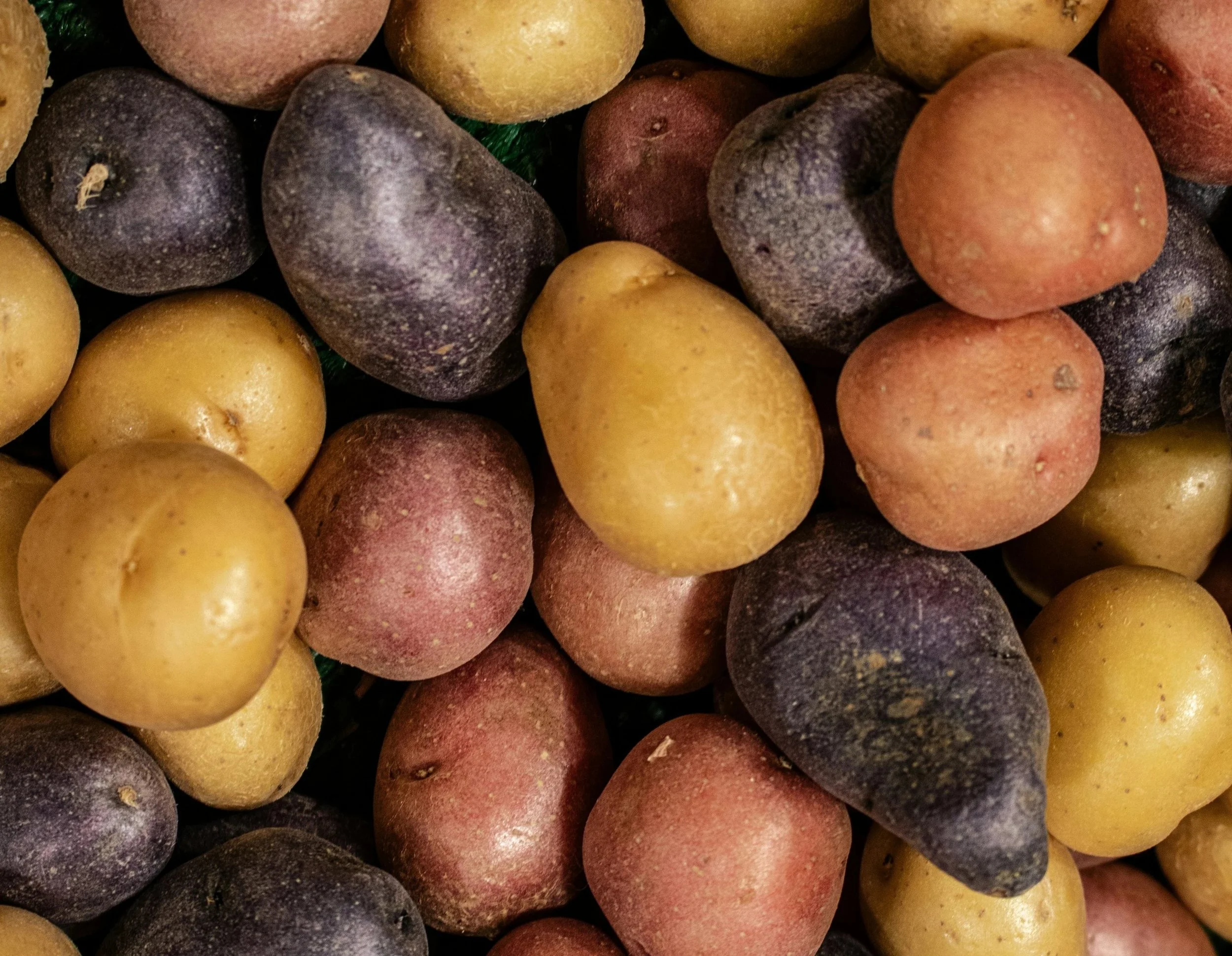
Small waxy potatoes hold their shape better than large, starchy baking potatoes.
Cut them into pieces that are large enough to survive the braise but still small enough to fit comfortably on a spoon.
You can omit the potatoes if you plan to serve the beef bourguignon over mashed potatoes, noodles, or polenta.
Fresh Garlic
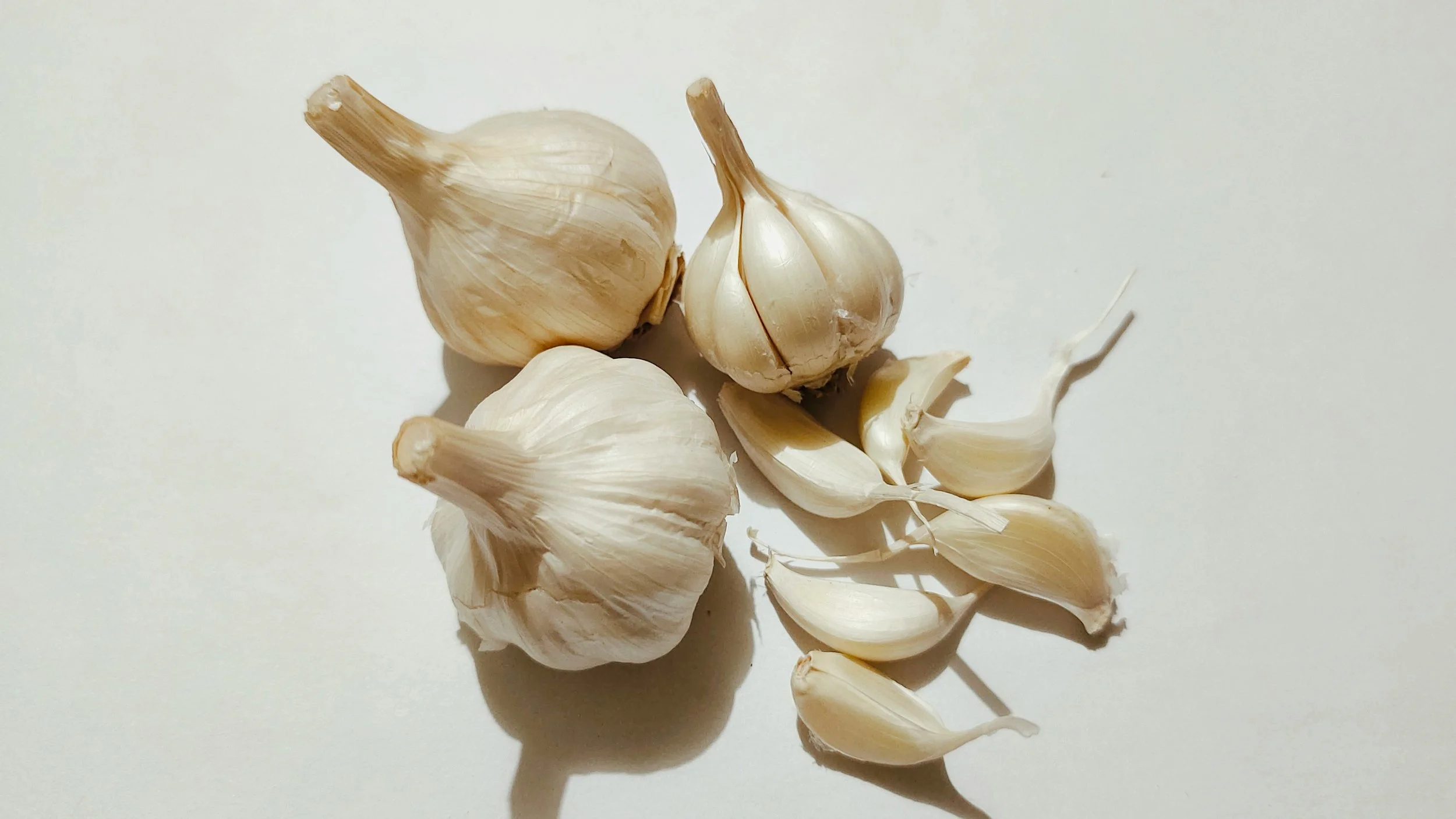
Use approximately 6-9 cloves depending on their size and how strongly you want the garlic to come through.
Mince the garlic finely or use a garlic press. Add it near the end of the stovetop cooking so it becomes fragrant without burning.
Rosemary and Dried Herbs
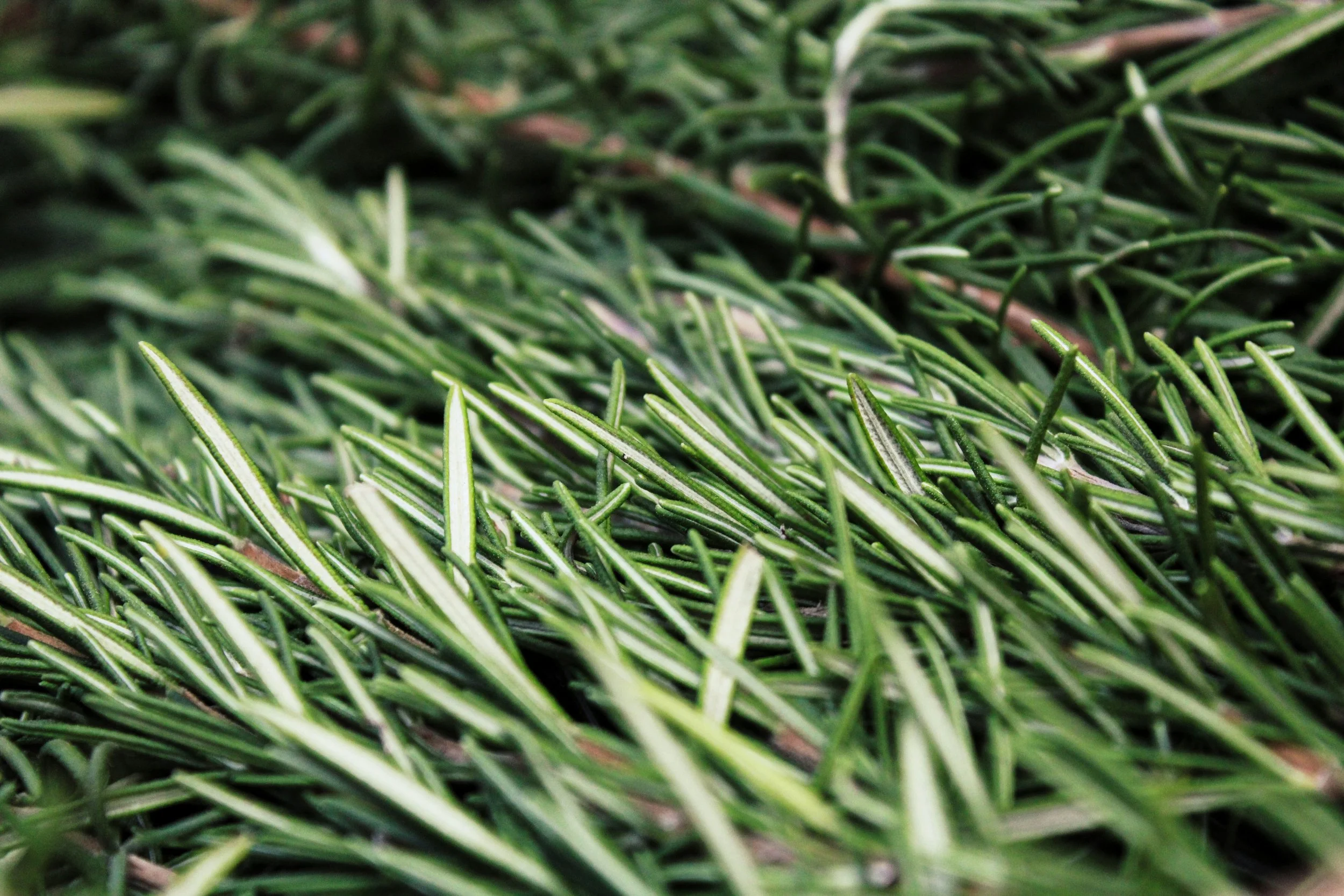
Fresh rosemary gives the sauce a woodsy, aromatic flavor that works beautifully with beef and red wine.
Finely chop the rosemary if you do not enjoy finding larger leaves in your food.
I also like combining fresh and dried herbs. The fresh rosemary adds aroma, while a little dried thyme or herbes de Provence gives the sauce an additional herbal layer.
Red Wine
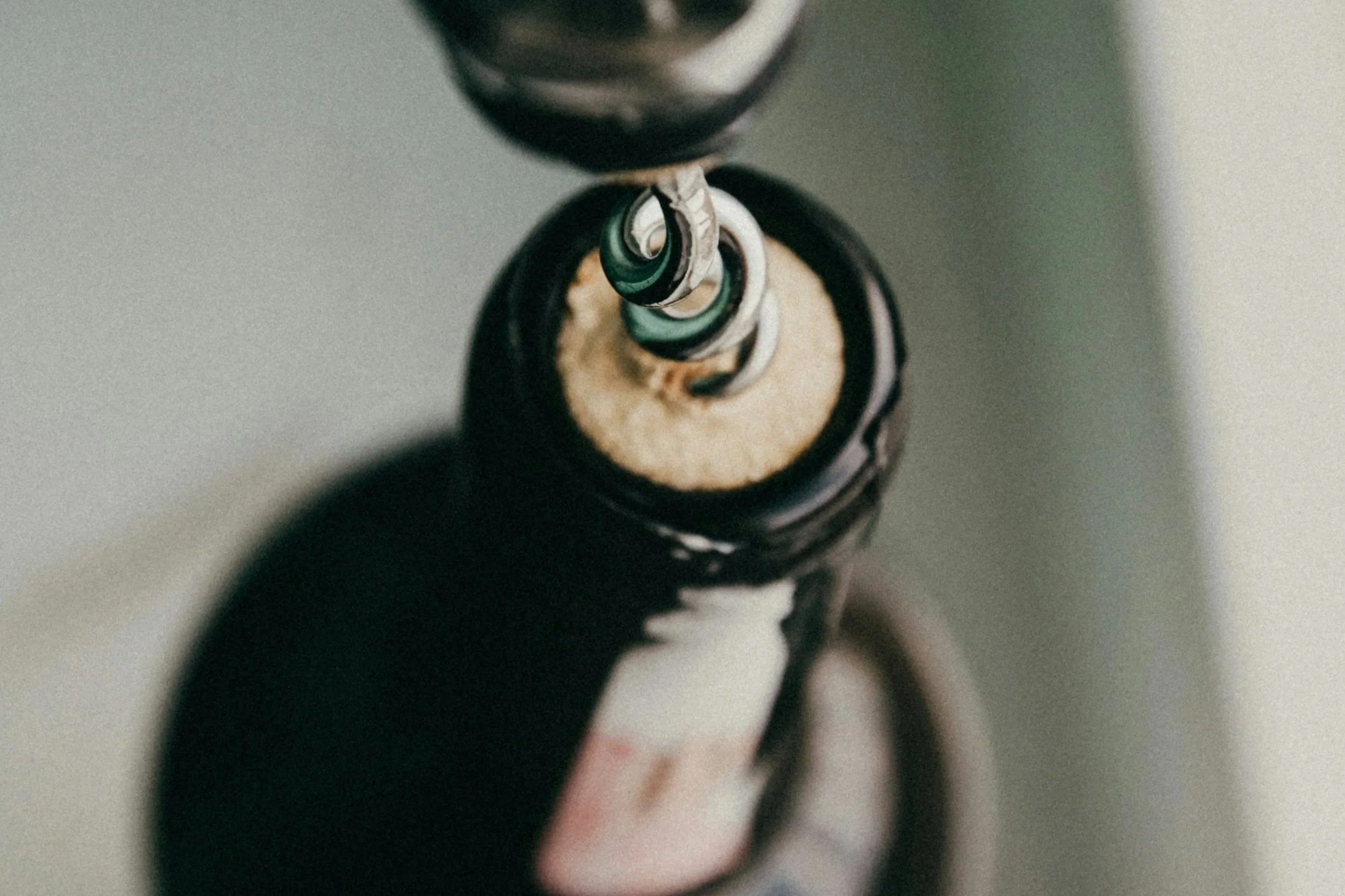
You do not need the most expensive bottle in the store, but use a wine you would be willing to drink.
I used a passable organic red blend. Burgundy, Pinot Noir, Cabernet Sauvignon, Merlot, or another dry red wine can also work.
Avoid very sweet red wine because the sweetness becomes more concentrated as the sauce reduces.
Read the caption on this post to learn how to pick the best wines for cooking!
Beef Bone Broth
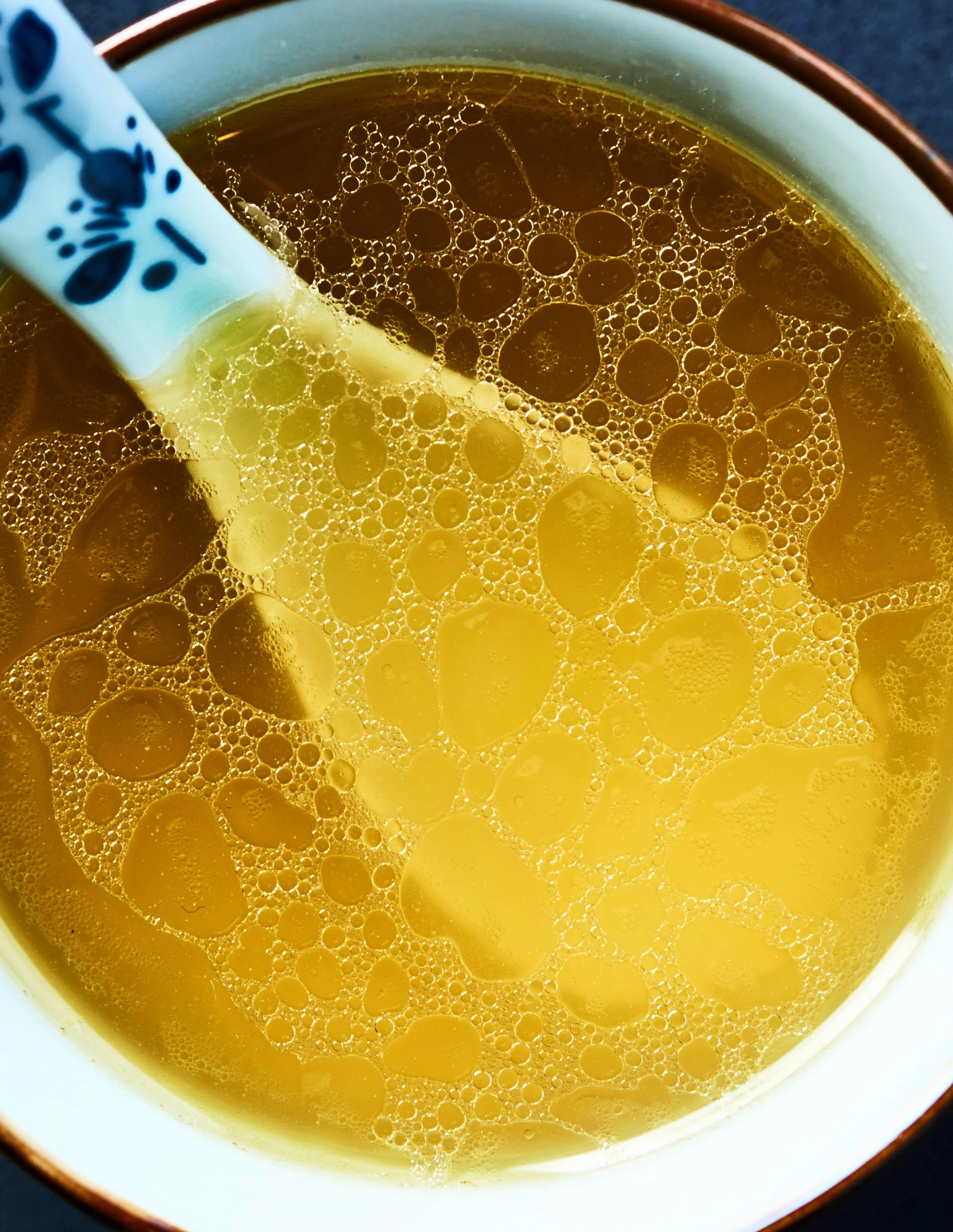
Bone broth adds savory flavor, extra protein, and nutrients, along with enough liquid for the covered braise.
The exact amount will depend on the width of your Dutch oven and how far you reduce the wine. Begin with approximately 1 cup and add more as needed.
The beef and vegetables do not need to be completely submerged, but there should be enough liquid around them to braise without drying out.
How to Make Beef Bourguignon
1. Prepare the beef
Pat the beef dry and cut it into approximately 1½-inch pieces.
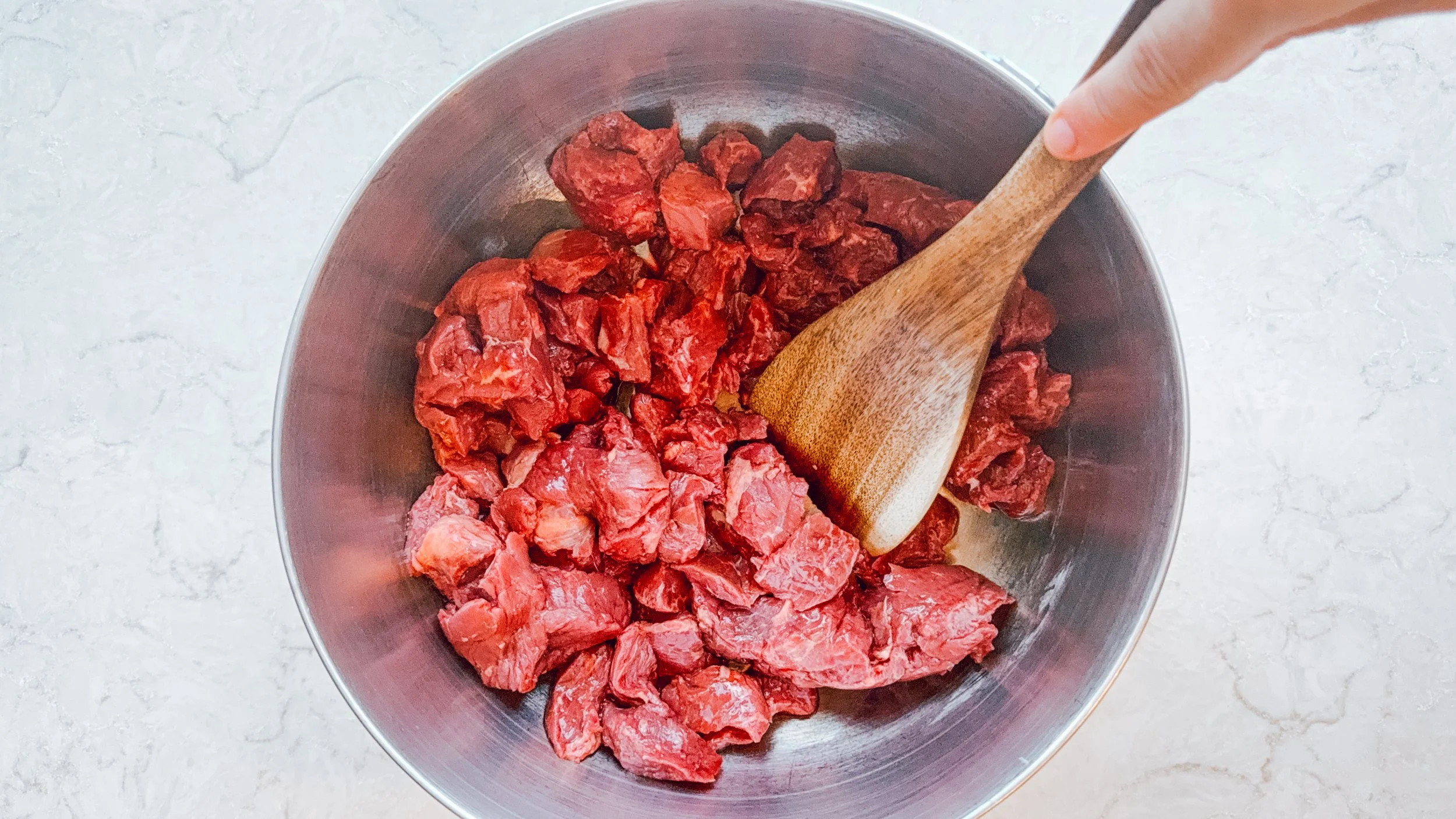
Place it in a bowl and season it with approximately 1 teaspoon of salt, freshly cracked black pepper, and 1 teaspoon of fish sauce, if using.
Mix well and allow the beef to rest while you prepare the vegetables.
Dry beef browns more effectively than wet beef, so blot away any unnecessary moisture before it enters the Dutch oven.
2. Prepare the vegetables
Finely chop the onion. Thinly slice the optional leek and rinse it thoroughly.
Finely chop the celery. Peel the carrots and cut them into small, spoon-sized pieces.
Clean and roughly chop the mushrooms. Mince or press the garlic.
Halve or quarter the potatoes depending on their size.
Keep the garlic separate because it will be added much later than the other vegetables.
3. Preheat the oven
Preheat the oven to 425°F while you sear the beef and build the sauce; I do this to get the oven extra hot. The Dutch oven can take a while to heat up at first, so starting with high heat can be strategic.
Before the covered Dutch oven goes into the oven, reduce the temperature to 325°F.
If you prefer a simpler workflow, you can preheat the oven directly to 325°F. The actual braising temperature is 325°F.
4. Sear the beef in batches
Place a large Dutch oven over medium-high heat and add enough olive oil, tallow, or ghee to coat the bottom.
When the fat is hot, add a single layer of beef. Leave enough room between the pieces for steam to escape.
Sear until the first side develops a deep brown crust. Turn the pieces and continue browning them on every side.
Transfer the browned beef to a plate and repeat with the remaining meat. Add more cooking fat between batches if necessary.
Do not worry about the dark brown bits forming on the bottom. As long as they are browned rather than burned, they will become part of the sauce.
5. Cook the onion first
Reduce the heat to medium.
Add the finely chopped onion to the same Dutch oven. Sprinkle it with a small pinch of salt to encourage it to release its moisture.
Cook slowly, stirring and scraping the bottom, until the onion softens and begins taking on some color.
The moisture from the onion will begin loosening the browned beef from the bottom of the pot.
6. Add the leek and mushrooms
Add the optional leek and chopped mushrooms.
Stir until the mushrooms are coated with the cooking fat. If the Dutch oven looks dry, add another small drizzle of olive oil, tallow, or ghee.
Continue cooking until the mushrooms release their liquid. Allow that moisture to steam away before moving to the next step.
The mushrooms will shrink considerably and begin picking up the browned flavor from the bottom of the Dutch oven.
7. Add the celery and carrots
Add the finely chopped celery and cook for several minutes.
Once it begins to soften, add the carrots. Continue cooking until the vegetables are lightly softened but not completely tender.
They will continue cooking for several hours in the oven.
8. Add the butter, herbs and garlic
Add the butter, fresh rosemary, dried herbs, and additional black pepper.
Stir until the butter melts and the herbs become fragrant.
Add a small splash of beef bone broth to create a little moisture in the bottom of the Dutch oven. Stir in the garlic and cook for approximately 30–60 seconds.
As soon as you can clearly smell the garlic, move to the next step.
9. Deglaze with the red wine
Pour approximately half the bottle of red wine into the Dutch oven.
Use a wooden spoon to scrape the bottom and sides, releasing every browned piece into the liquid.
Add the remaining wine and bring the mixture to a steady simmer.
Continue simmering until the liquid reduces by approximately half. This may take 15–25 minutes depending on the size of your Dutch oven and the strength of the heat.
Stir periodically and watch the sides of the pot so you can see how far the liquid has reduced.
10. Return the beef to the Dutch oven
Return the browned beef and any juices collected on the plate to the Dutch oven.
Add the potatoes and bay leaves.
Pour in enough beef bone broth for the meat and vegetables to be mostly surrounded by liquid. Stir carefully so everything is relatively evenly distributed.
Bring the mixture back to a gentle simmer on the stovetop.
11. Cover and braise at 325°F
Cover the Dutch oven with a tight-fitting lid.
Reduce the oven temperature to 325°F and carefully transfer the covered Dutch oven into the oven.
Braise for approximately 2½–3 hours.
Begin checking the beef around the 2½-hour mark. It should be extremely tender and separate easily when pressed with a fork.
If the beef remains firm or chewy, it needs more time.
12. Uncover and reduce the sauce
Once the beef is tender, remove the lid.
Continue cooking uncovered for approximately 20–40 minutes, or until the sauce reaches your preferred consistency.
The sauce will continue thickening slightly as it cools, so do not reduce it until it becomes completely dry.
If it is already thick when you remove the lid, add a small amount of bone broth and shorten the uncovered cooking time.
13. Taste and serve
Remove the bay leaves.
Taste the sauce before adding additional salt. The fish sauce, broth, and reduction may already provide plenty.
Adjust with salt, black pepper, or additional herbs as needed.
Allow the beef bourguignon to rest for approximately 10–15 minutes before serving. This gives the sauce time to settle and slightly thicken.
Cassidyy’s Real-Food Notes
This recipe is a perfect example of how flavor is often less about adding more ingredients and more about giving each ingredient enough time.
The onion is allowed to soften instead of being rushed.
The mushrooms release their water before the wine is added.
The garlic goes in late so it stays fragrant instead of burning.
The wine reduces before the beef begins braising.
Then the entire Dutch oven cooks low and slow until the beef becomes tender and the vegetables, broth, herbs, and wine turn into one complete sauce.
That process requires patience, but it does not require artificial flavoring, a packaged seasoning mix, or a canned cream soup.
It also gives you opportunities to use the food more completely. Onion ends, leek trimmings, celery leaves, mushroom stems, garlic skins, and carrot ends can all be saved for homemade stock when they are clean and appropriate to use.
That is the kind of cooking I love: one meal feeding into the next, ordinary ingredients becoming something special, and a Sunday afternoon in the kitchen creating enough food for dinner and leftovers.
Flavor Variations
Traditional Bacon Beef Bourguignon
Cook approximately 4–6 ounces of chopped bacon in the Dutch oven before searing the beef.
Remove the cooked bacon, brown the beef in the rendered fat, and return the bacon before the covered braise.
Beef Bourguignon Without Potatoes
Omit the potatoes and serve the finished beef and sauce over mashed potatoes, buttered noodles, polenta, or homemade bread.
Extra-Mushroom Beef Bourguignon
Increase the mushrooms to approximately 4–5 cups.
For more noticeable mushroom pieces, reserve half and add them closer to the end of the covered braise.
Herb-Forward Beef Bourguignon
Add fresh thyme, parsley stems, or a small bundle of herbs tied with kitchen twine.
Remove the bundle before serving.
Alcohol-Free Braised Beef
Replace the wine with additional beef bone broth and add approximately 1–2 tablespoons of balsamic vinegar for acidity.
The finished dish will still be rich and comforting, but it will not have the same flavor as beef bourguignon made with red wine.
Troubleshooting
Why is my beef still tough?
It probably needs more time.
Beef chuck can become firm during the middle of cooking before its connective tissue has had enough time to soften. Keep the Dutch oven covered and continue braising in 20–30-minute increments.
The beef is ready when it easily separates with a fork.
Why is my sauce too thin?
Remove the lid and continue cooking until more liquid evaporates.
If the beef is already tender, you can carefully remove the meat and vegetables before reducing the sauce on the stovetop. Return everything to the Dutch oven once the sauce reaches the desired consistency.
Why is my sauce too thick?
Stir in additional beef bone broth a little at a time.
Remember that the sauce will thicken slightly as it cools.
Why does the stew taste bitter?
The browned pieces on the bottom may have burned, the garlic may have cooked too long before liquid was added, or the wine may have been overly tannic.
Use medium rather than extremely high heat and distinguish deeply browned fond from black, burned residue.
Why did the vegetables become too soft?
Beef bourguignon is a long-cooked dish, so the vegetables will naturally become tender.
Cut the carrots and potatoes slightly larger if you want them to maintain more structure. You can also add the potatoes during the final 1½–2 hours instead of at the beginning of the braise.
Why didn’t my beef brown?
The pieces may have been wet, the Dutch oven may not have been hot enough, or too much meat may have been added at once.
Pat the beef dry, heat the cooking fat thoroughly, and work in small batches.
Why does the sauce taste strongly of wine?
The wine may not have reduced enough before the covered braise.
Continue simmering the sauce uncovered. More time will soften and integrate the wine flavor, although a dish made with wine cannot be guaranteed to become completely alcohol-free.
What to Serve With Beef Bourguignon
Because this version already contains potatoes, it can be served as a complete meal directly from the Dutch oven.
It would also be delicious with:
Crusty sourdough bread
Mashed potatoes
Buttered egg noodles
Creamy polenta
Carrot gnocchi
Roasted root vegetables
Green beans with butter
A simple garden salad
Homemade dinner rolls
Fresh parsley
Additional sautéed mushrooms
Something simple is usually best because the beef and red wine sauce already provide so much flavor.
How to Store Beef Bourguignon
Allow the stew to cool before transferring it to airtight containers.
Store it in the refrigerator for approximately 3–4 days.
Beef bourguignon often tastes even better the next day because the flavors continue to settle and deepen. Reheat it slowly on the stovetop or in a covered dish in the oven, adding a small amount of bone broth if the sauce has become too thick.
The beef and sauce can be frozen for approximately 2–3 months. Potatoes may become slightly grainy after freezing, so remove them before freezing if texture is especially important to you.
Thaw overnight in the refrigerator and reheat gently.
Frequently Asked Questions
Is this a traditional beef bourguignon?
It is inspired by traditional beef bourguignon but adapted to reflect how I cook at home.
I omitted the bacon, added potatoes directly to the Dutch oven, introduced a small amount of optional fish sauce, and allowed the mushrooms to cook deeply into the sauce.
What cut of beef is best?
Chuck roast is one of the best choices because its connective tissue becomes tender during a long braise.
Brisket and boneless short ribs can also work, although the cooking time and amount of fat may vary.
Do I have to use an entire bottle of wine?
No, but the full bottle creates a bold, wine-forward sauce.
If you prefer a milder flavor, use 2–3 cups of wine and replace the remaining liquid with beef bone broth.
What kind of wine should I use?
Use a dry red wine you would enjoy drinking.
Red Burgundy, Pinot Noir, Merlot, Cabernet Sauvignon, or a balanced dry red blend can all work. Avoid overly sweet wine.
Does all the alcohol cook out?
Long cooking and reduction remove a meaningful amount of alcohol, but they do not guarantee that every trace disappears.
If you need to avoid alcohol completely, use the alcohol-free variation with bone broth and balsamic vinegar.
Can I make this without mushrooms?
Yes. Omit them and continue with the onion, leek, celery, and carrots.
The sauce will lose some of its earthy flavor, but the beef, wine, broth, and herbs will still create a rich dish.
Can I make beef bourguignon ahead of time?
Yes. This is an excellent make-ahead meal.
Prepare it one day in advance, refrigerate it, and remove any hardened fat from the surface if desired. Reheat slowly before serving.
Do I need to thicken it with flour?
No. Reducing the wine before braising and uncovering the Dutch oven at the end naturally concentrates the sauce.
If you prefer a much thicker, gravy-like sauce, you can coat the beef lightly in flour before searing, but it is not necessary for this version.
Can I make it in a slow cooker?
You can transfer the browned beef, cooked vegetables, reduced wine, broth, and herbs to a slow cooker.
Cook on low until the beef is tender, generally 7–8 hours. For the deepest flavor, do not skip the stovetop browning and wine reduction.
Can I use dried herbs instead of fresh?
Yes. Use approximately one-third as much dried rosemary as fresh because dried herbs are more concentrated.
You can also use dried thyme or herbes de Provence.
The Recipe First. The Story When You’re Ready.
Beef bourguignon is not fast food, but it is simple food transformed through time.
It begins with beef, vegetables, broth, herbs, and wine—recognizable ingredients that have been used in home kitchens for generations.
The richness comes from browning, reducing, layering, and waiting.
It comes from allowing the onion to cook first, letting the mushrooms release their water, adding the garlic only when the pot is ready, and leaving the Dutch oven covered until the beef becomes tender.
Then, at the very end, you remove the lid and allow everything to become a little richer.
That is the beauty of slow cooking. Nothing has to be rushed, hidden, or imitated. You simply give real food enough time to become what it was capable of becoming all along.