

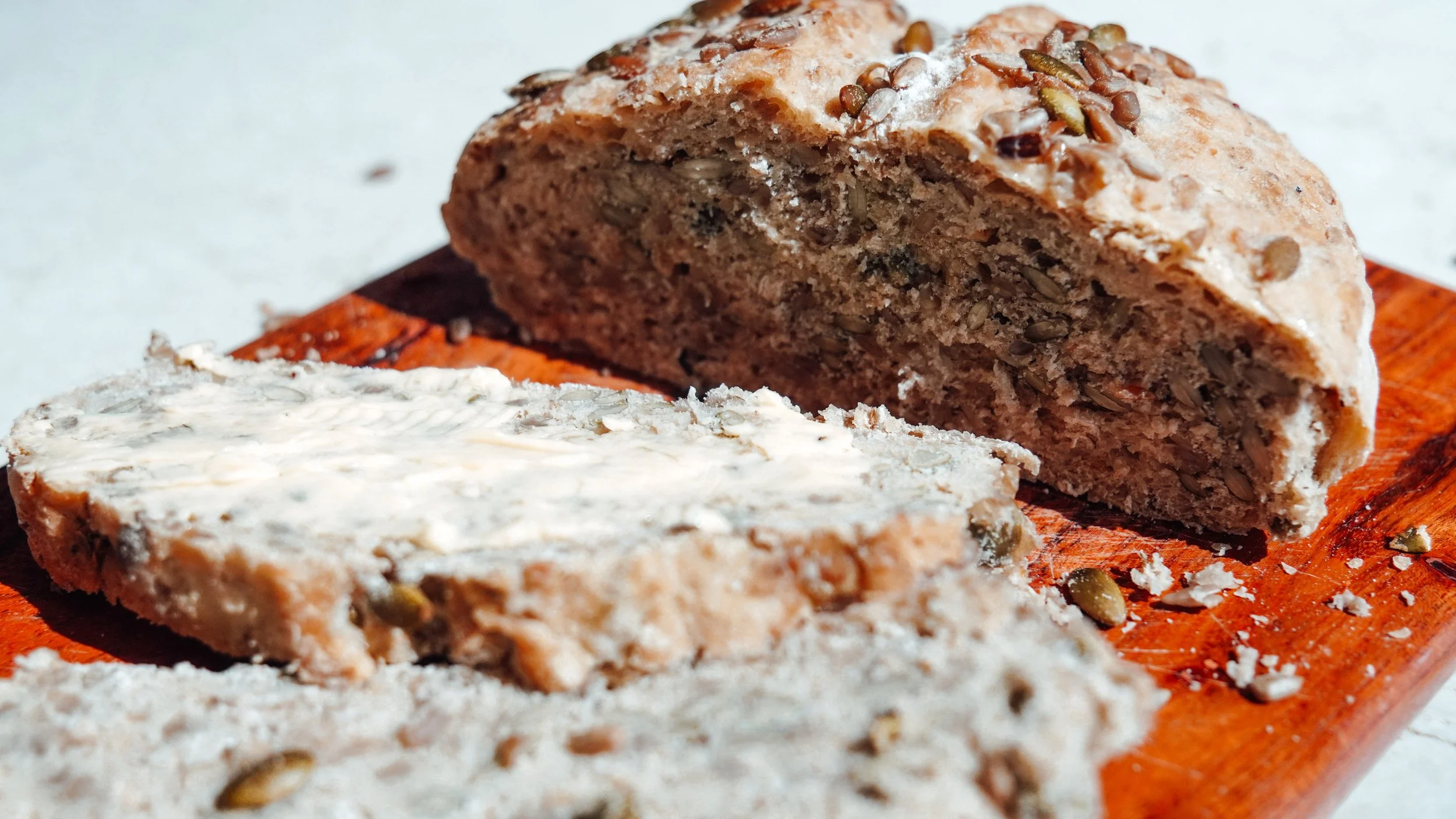
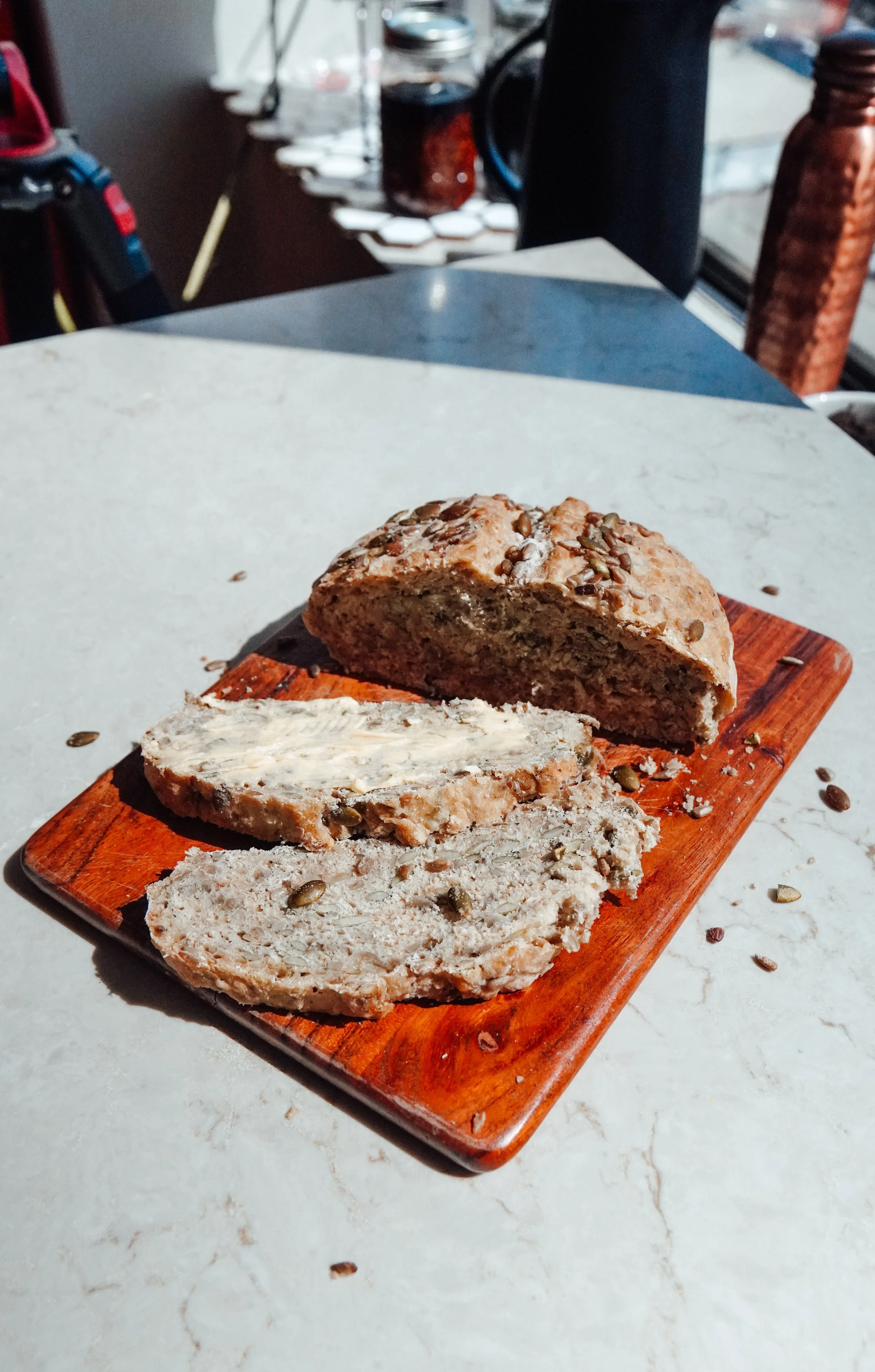
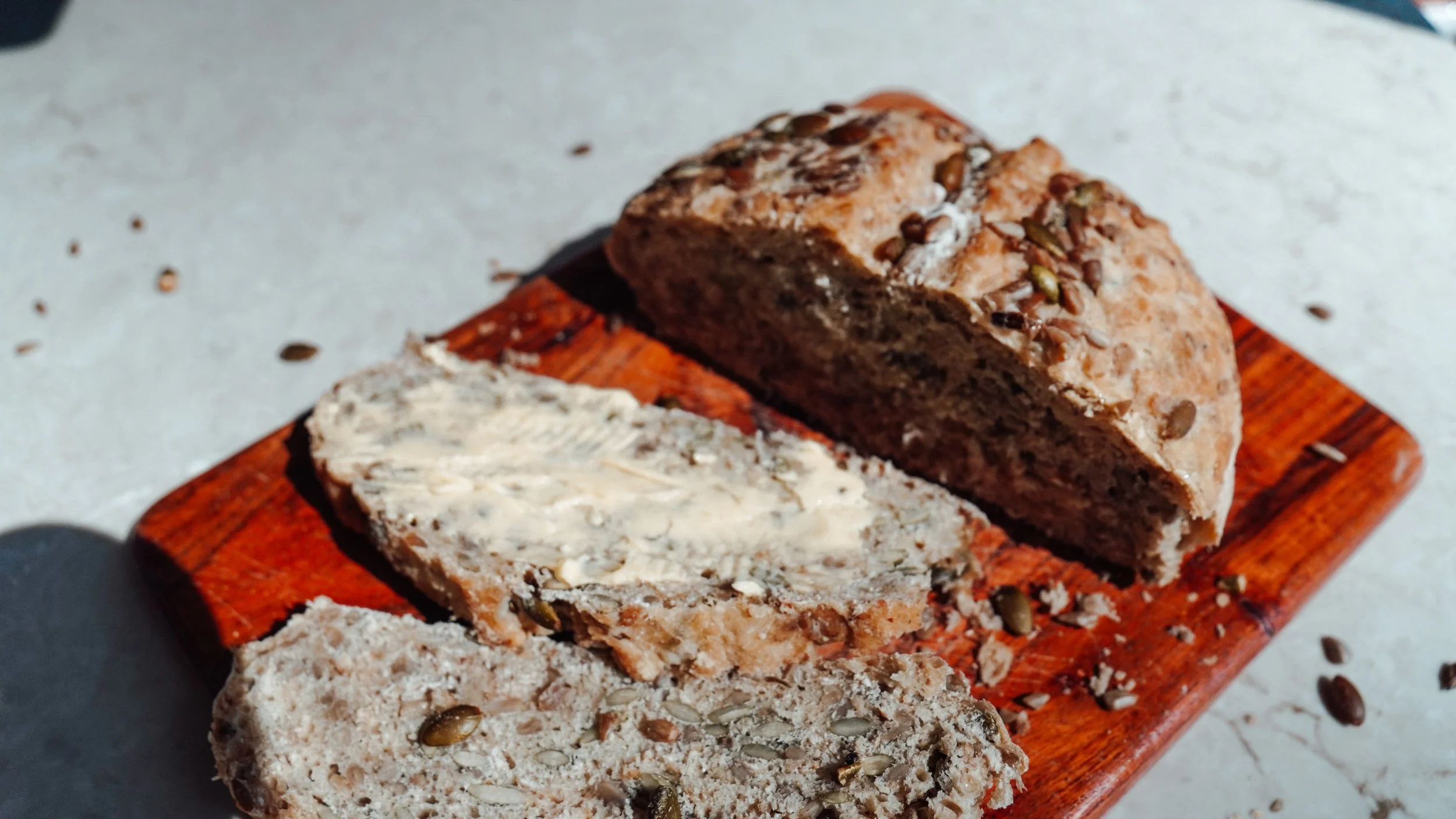
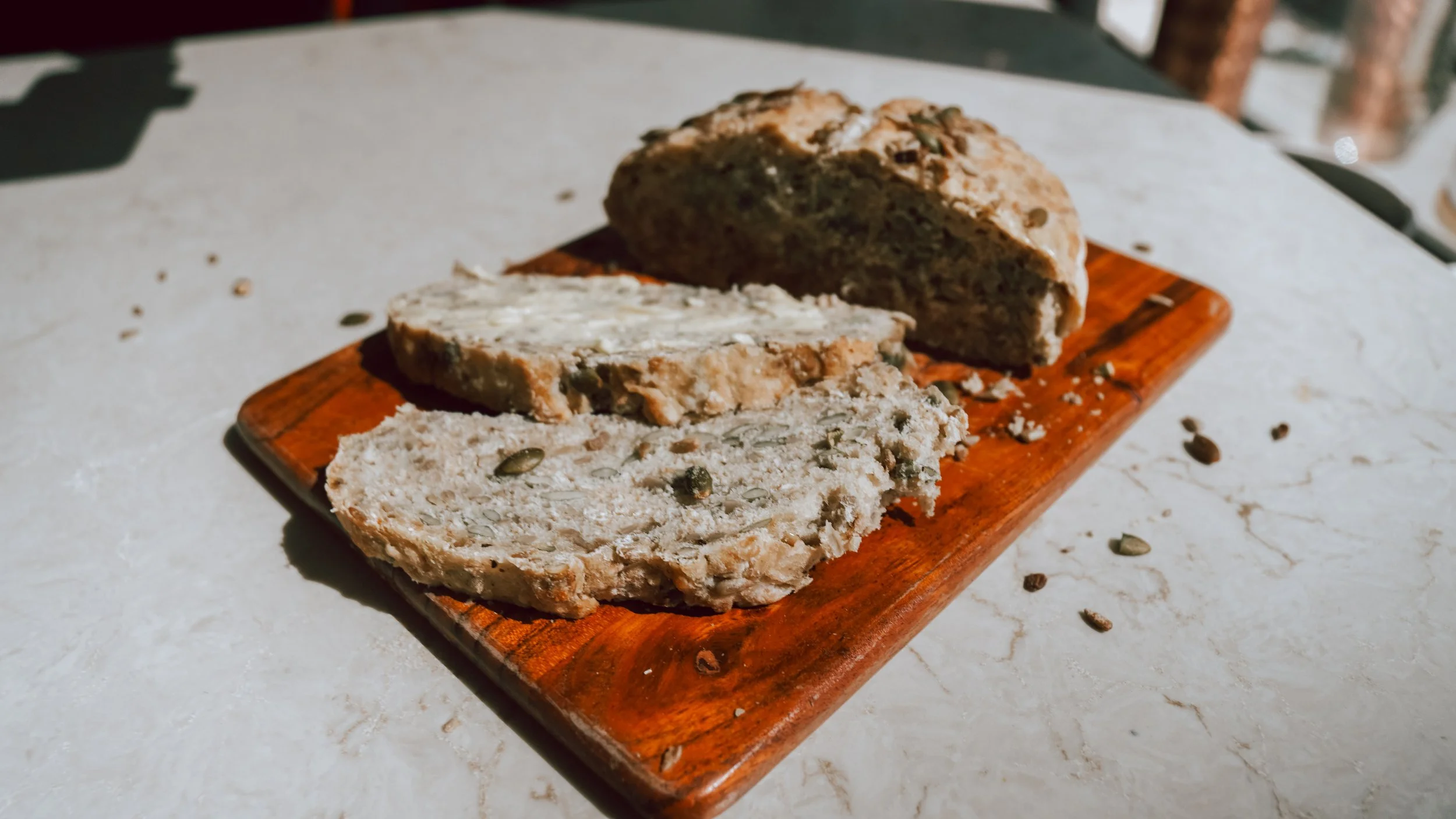
This homemade seeded oat bread is soft, hearty, and filled with old-fashioned rolled oats, pumpkin seeds, sunflower seeds, and a touch of honey.
It begins with a simple bread dough, but the oats and seeds give it a heartier texture, subtle nutty flavor, and something a little more interesting than an ordinary white loaf.
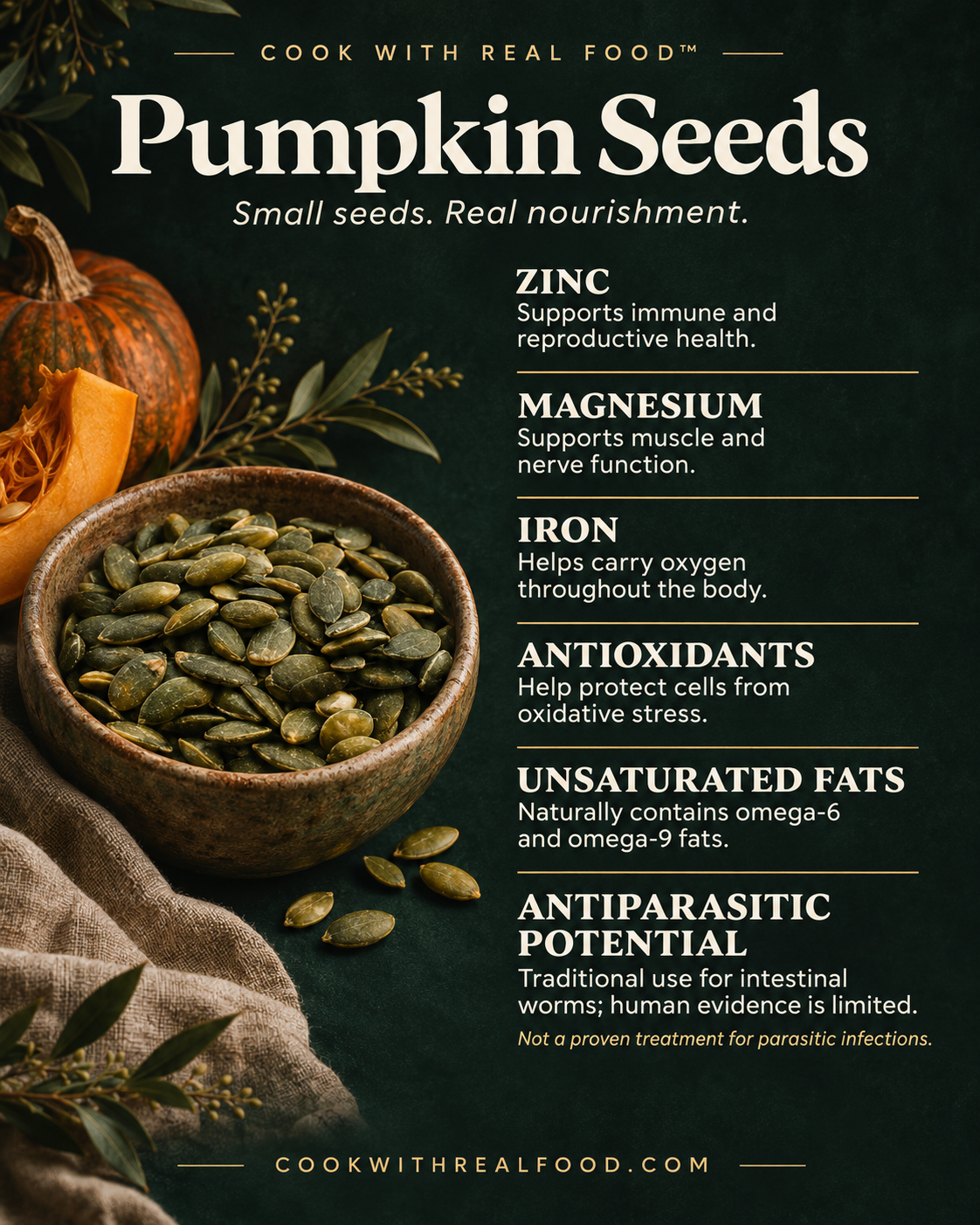
I also love adding pumpkin seeds to recipes for a little extra zinc and nutrients.
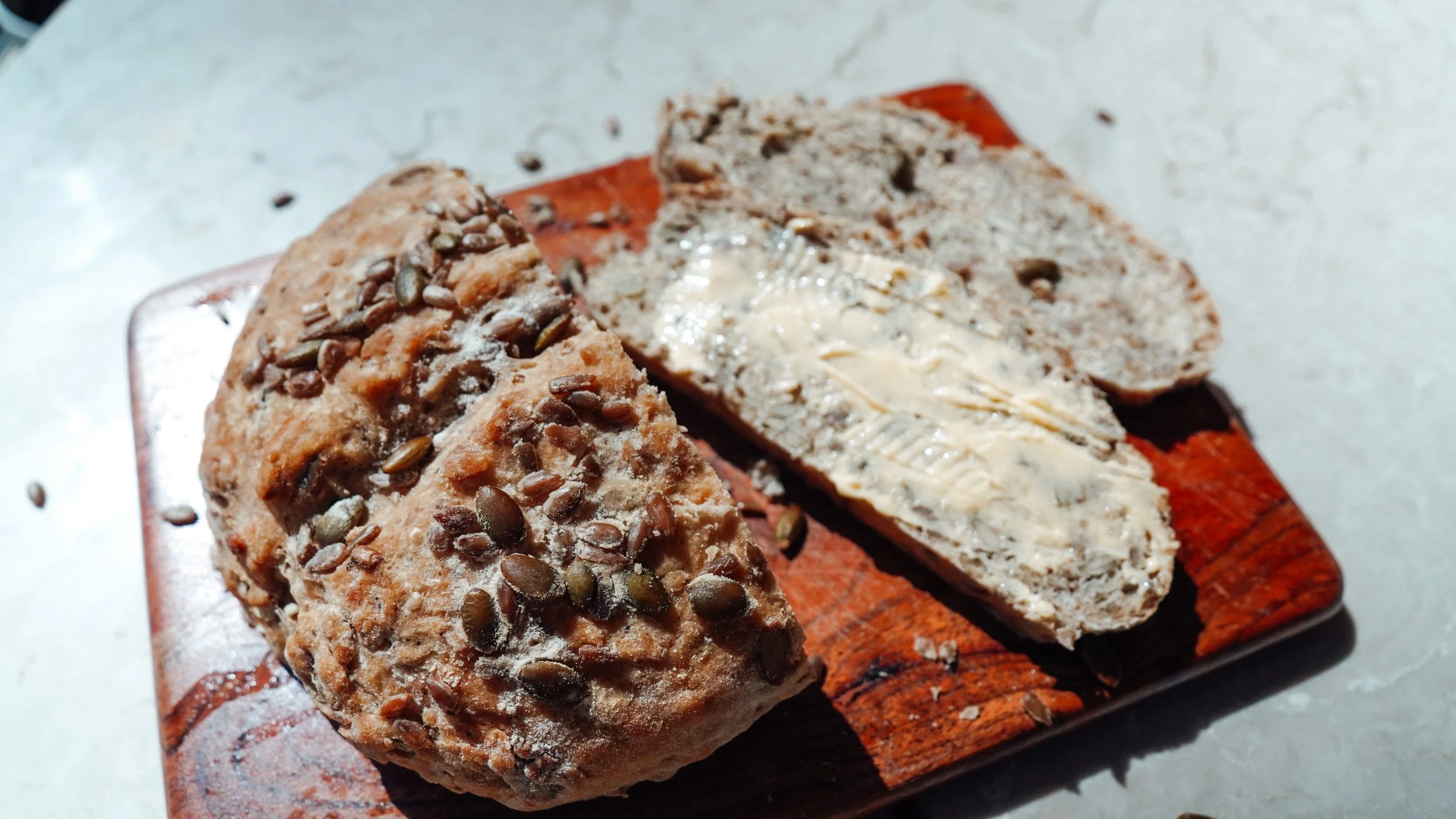
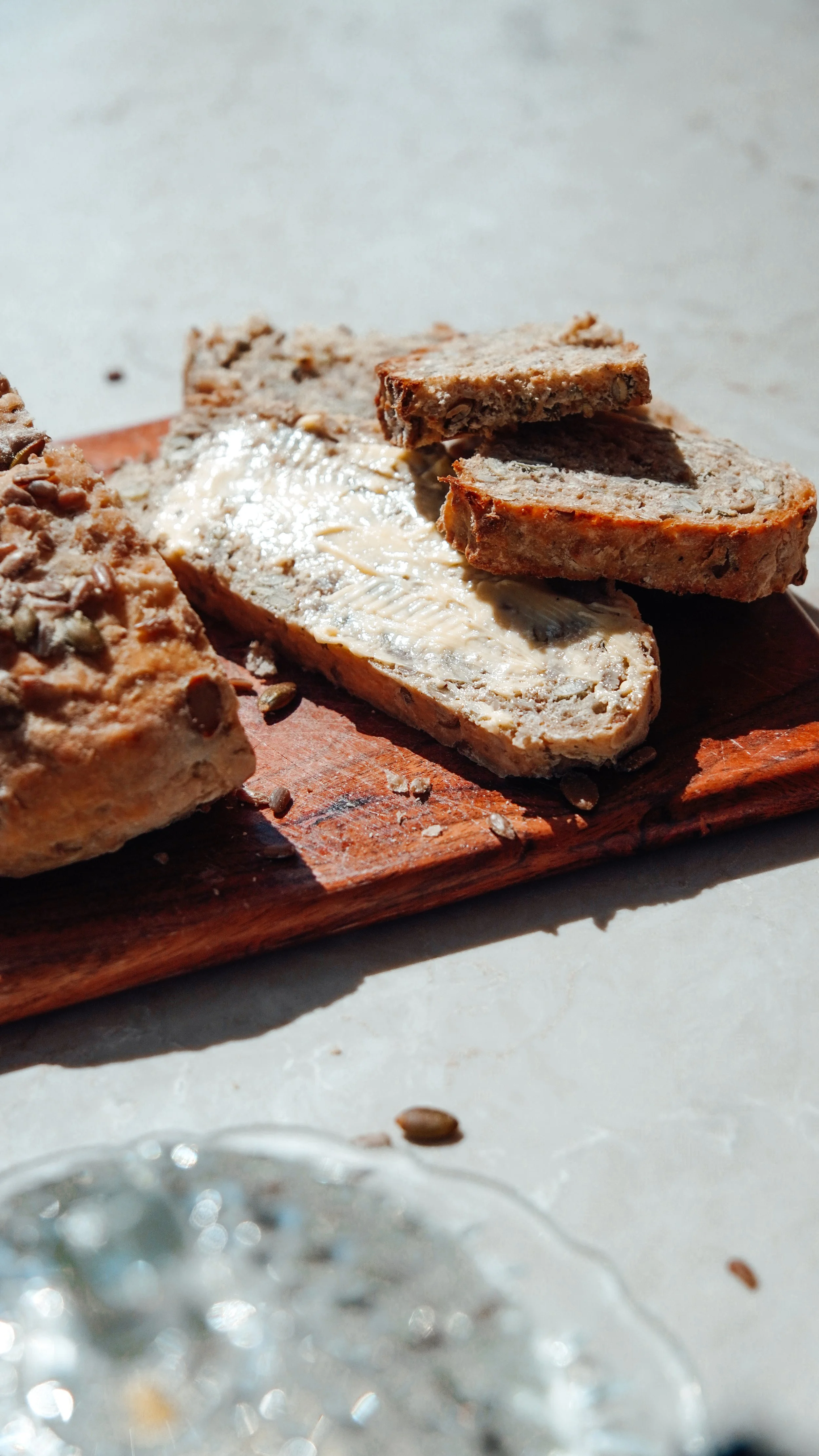
This bread is especially delicious served warm with fresh butter and honey and it is definitely one I will be making many times throughout the fall season.
Pinterest Family—Here’s the Recipe
You came for the recipe, so I won’t make you scroll for it. Here is everything you need to start cooking.
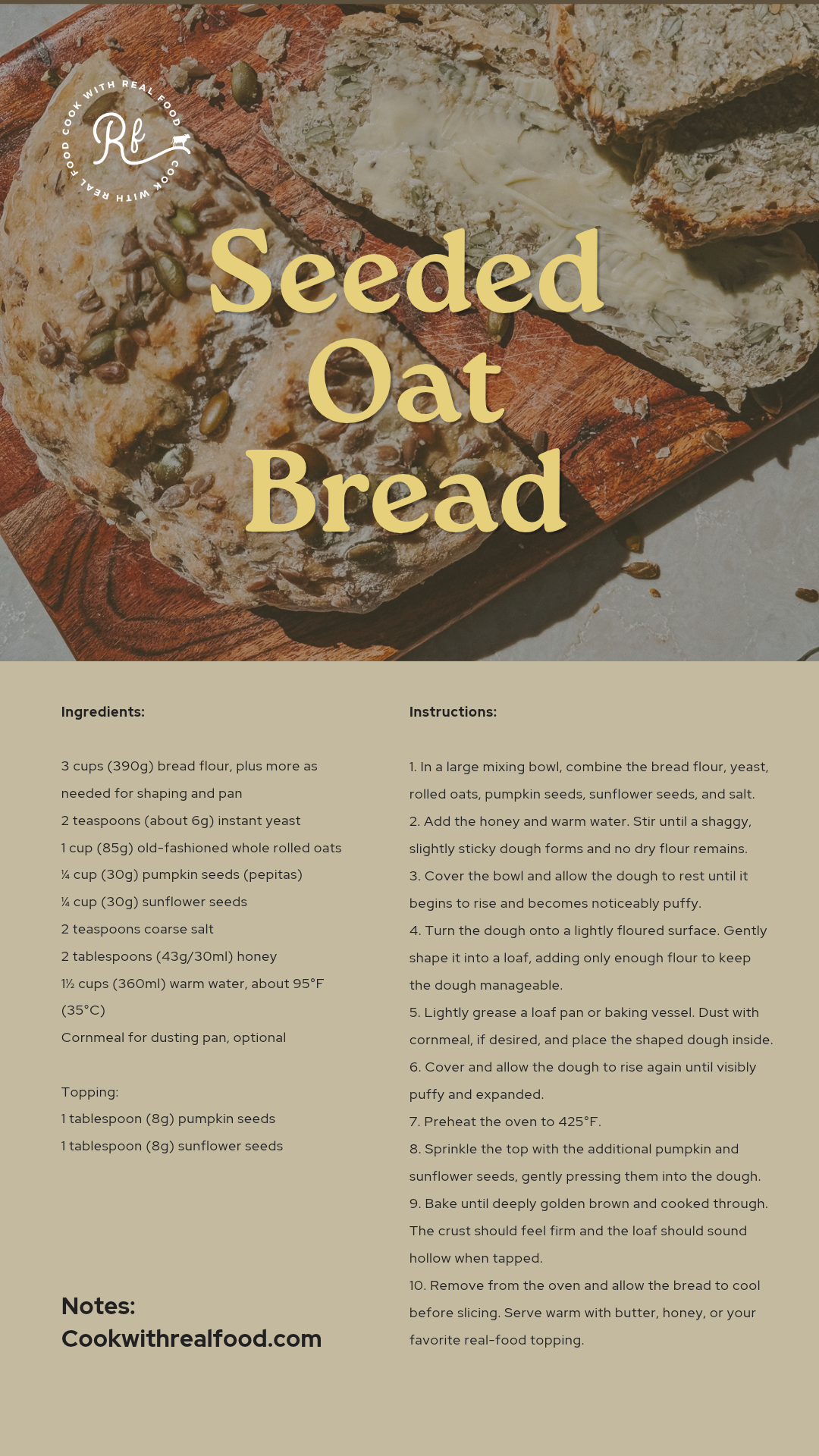
Seeded Oat Bread
Prep time: Approximately 20 minutes
First rise: Approximately 60–90 minutes
Second rise: Approximately 45–75 minutes
Baking time: Approximately 35–45 minutes
Total time: Approximately 3–3½ hours
Makes: 1 loaf
Ingredients
For the best results, use organic ingredients whenever they are available and practical for you.
3 cups bread flour, plus more as needed for shaping and preparing the pan
2 teaspoons active dry yeast
1 cup old-fashioned whole rolled oats
¼ cup shelled pumpkin seeds
¼ cup shelled sunflower seeds
2 teaspoons coarse salt
2 tablespoons honey
1½ cups warm water, approximately 95°F
For the Topping
1 tablespoon pumpkin seeds
1 tablespoon sunflower seeds
The Short Version
Combine the bread flour, yeast, rolled oats, pumpkin seeds, sunflower seeds, and salt in a large mixing bowl.
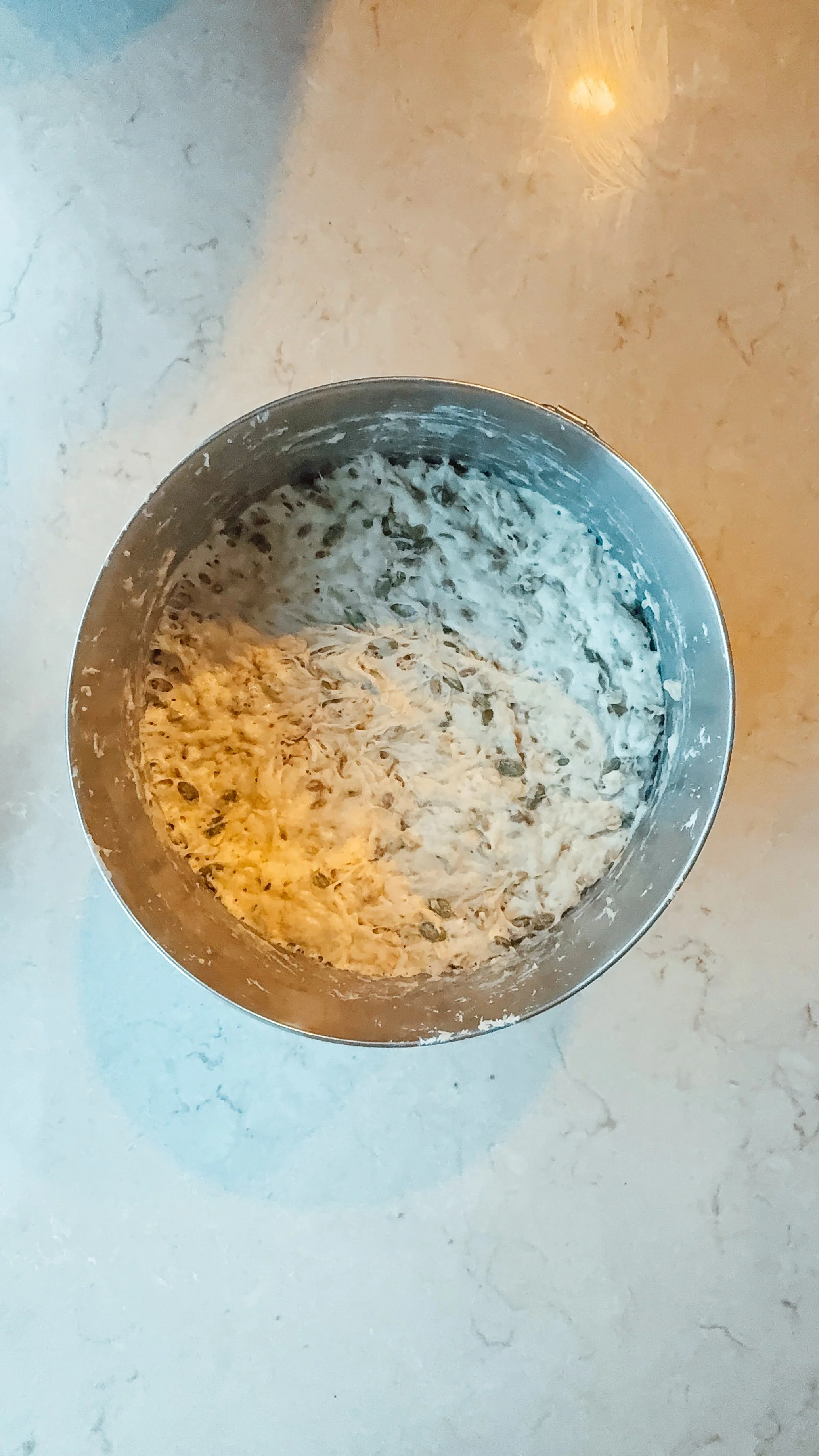
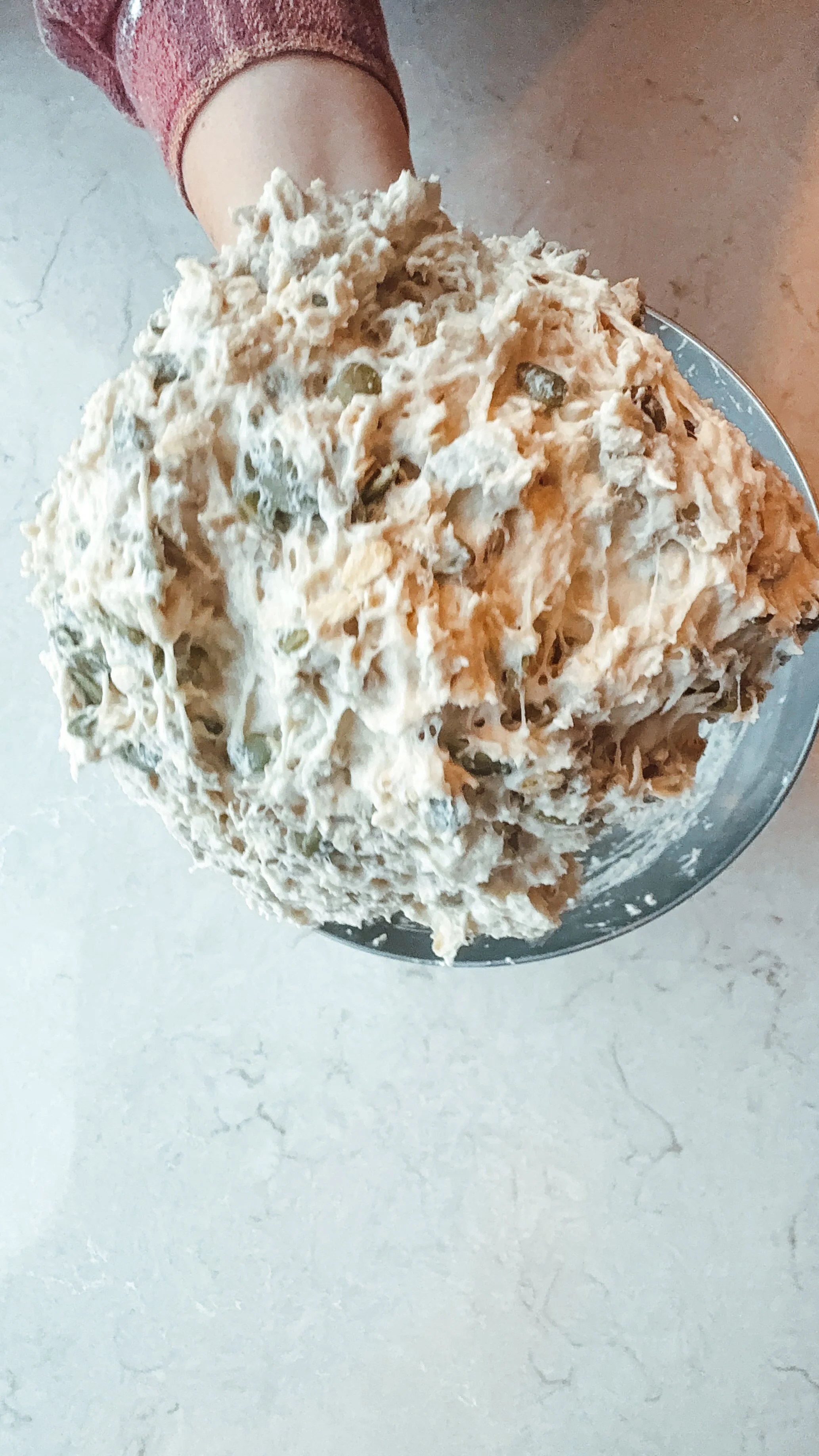
Add the honey and warm water. Stir until no dry flour remains and a shaggy, slightly sticky dough forms.
Cover the bowl and allow the dough to rise for approximately 60–90 minutes, or until noticeably puffy.
Turn the dough onto a lightly floured surface and gently shape it into a loaf. Add only enough additional flour to make the dough manageable.
Place the dough in a lightly greased loaf pan. Cover and let it rise again for about 45–75 minutes, or until visibly expanded.
Preheat the oven to 425°F. Sprinkle the remaining pumpkin and sunflower seeds over the loaf, gently pressing them into the dough.
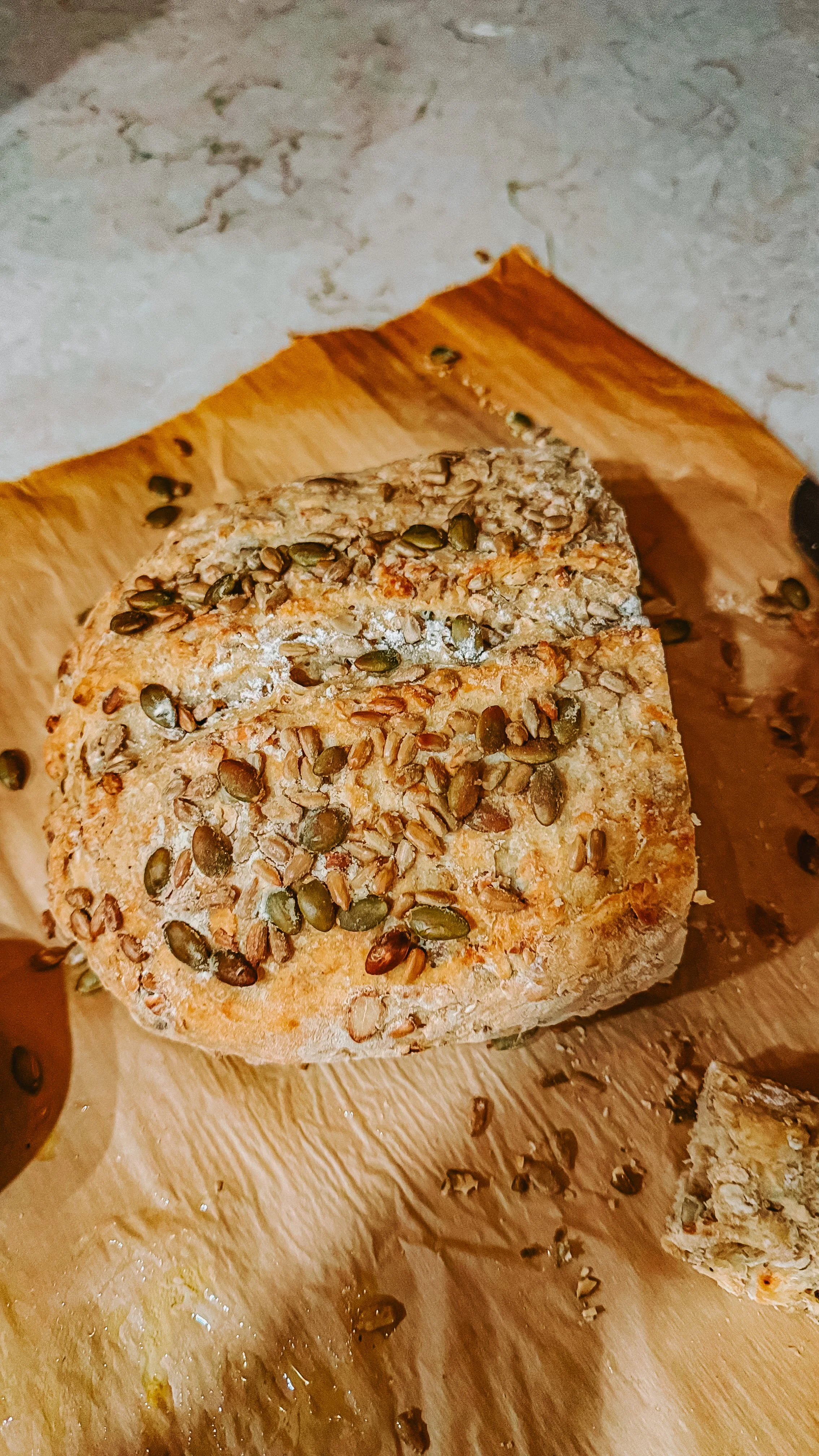
Bake for 35–45 minutes, or until deeply golden and cooked through. The loaf should sound hollow when tapped or register approximately 195–205°F in the center.
Allow it to cool for minutes before slicing.
From My Kitchen
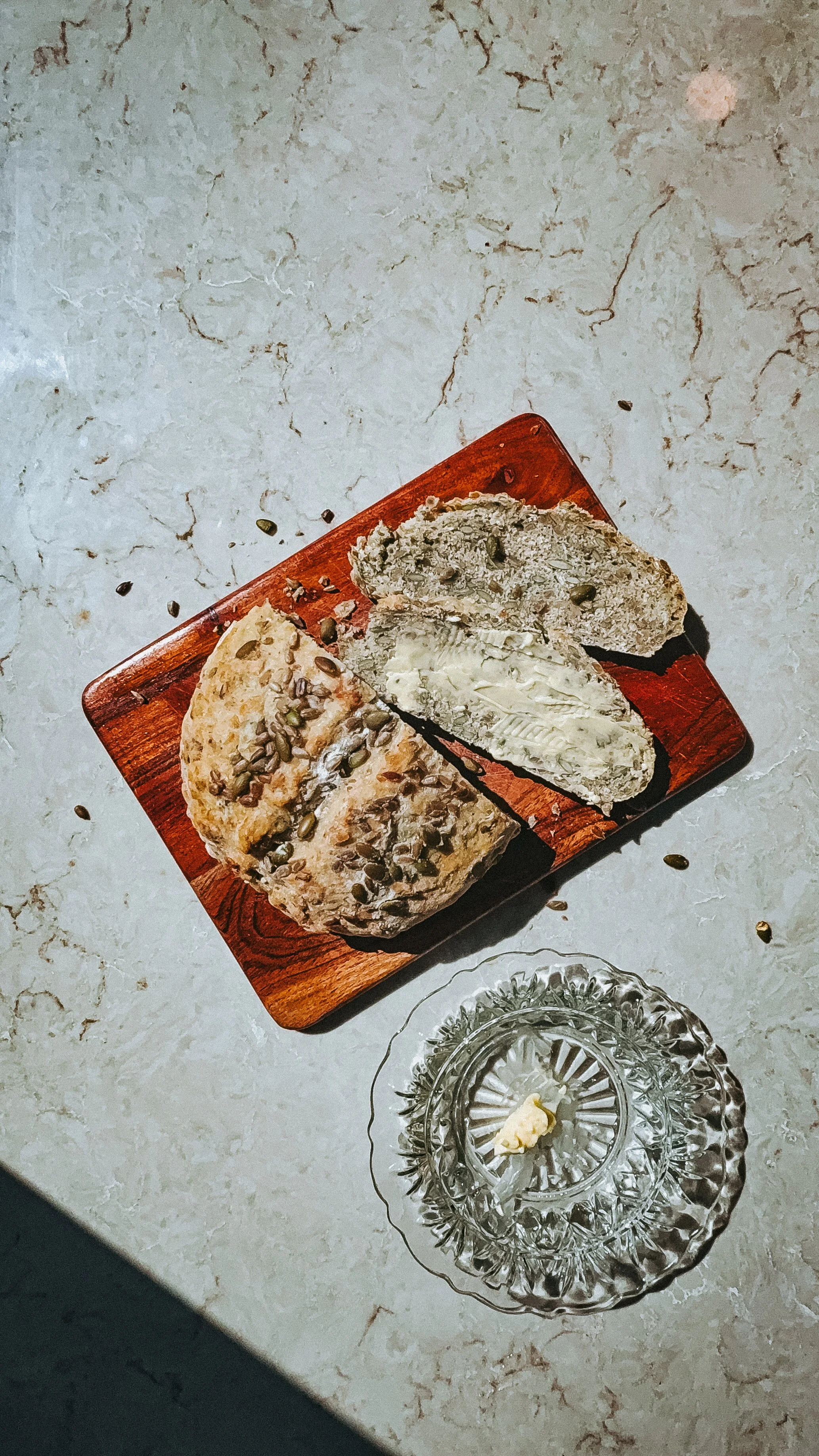
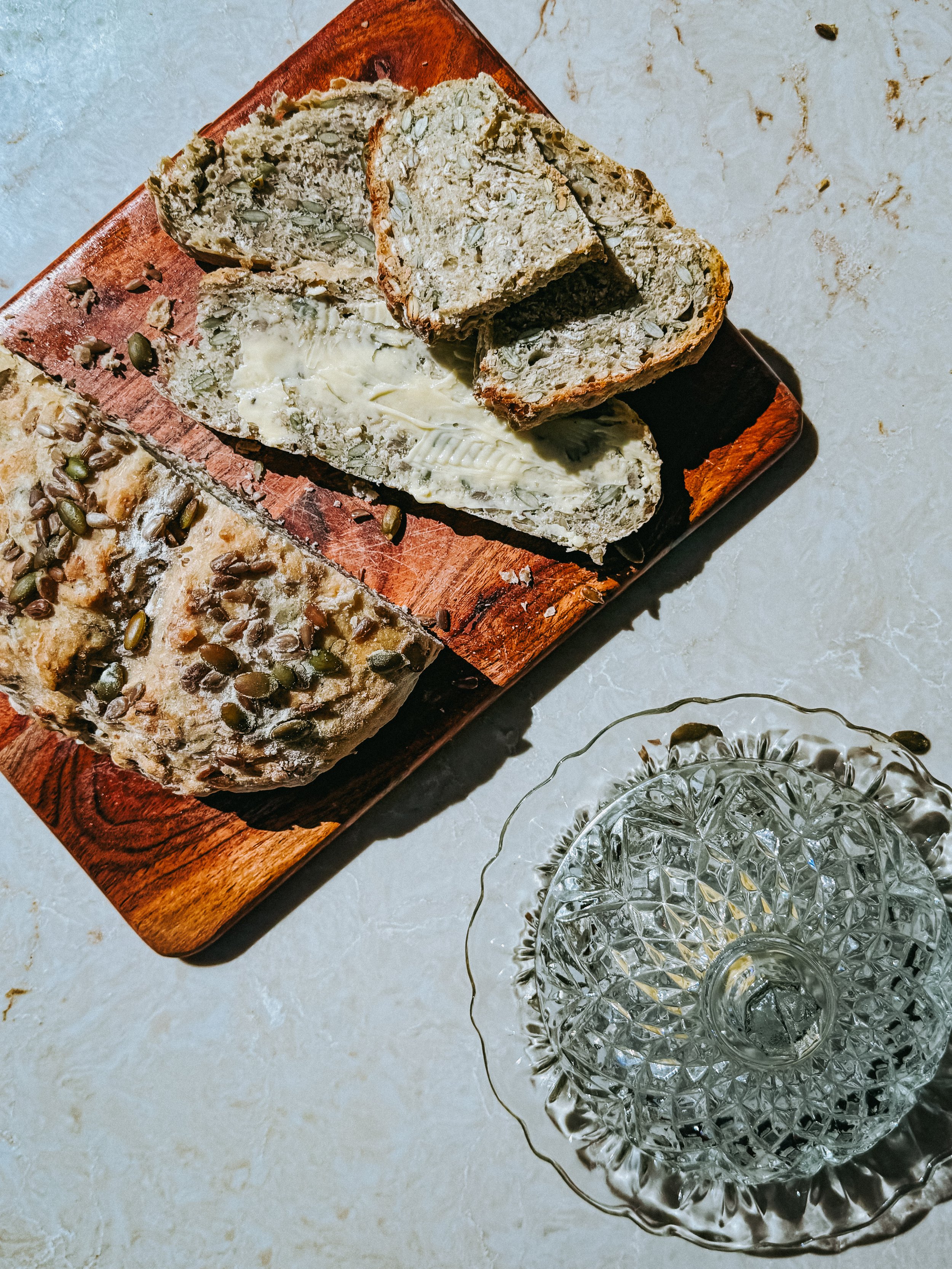
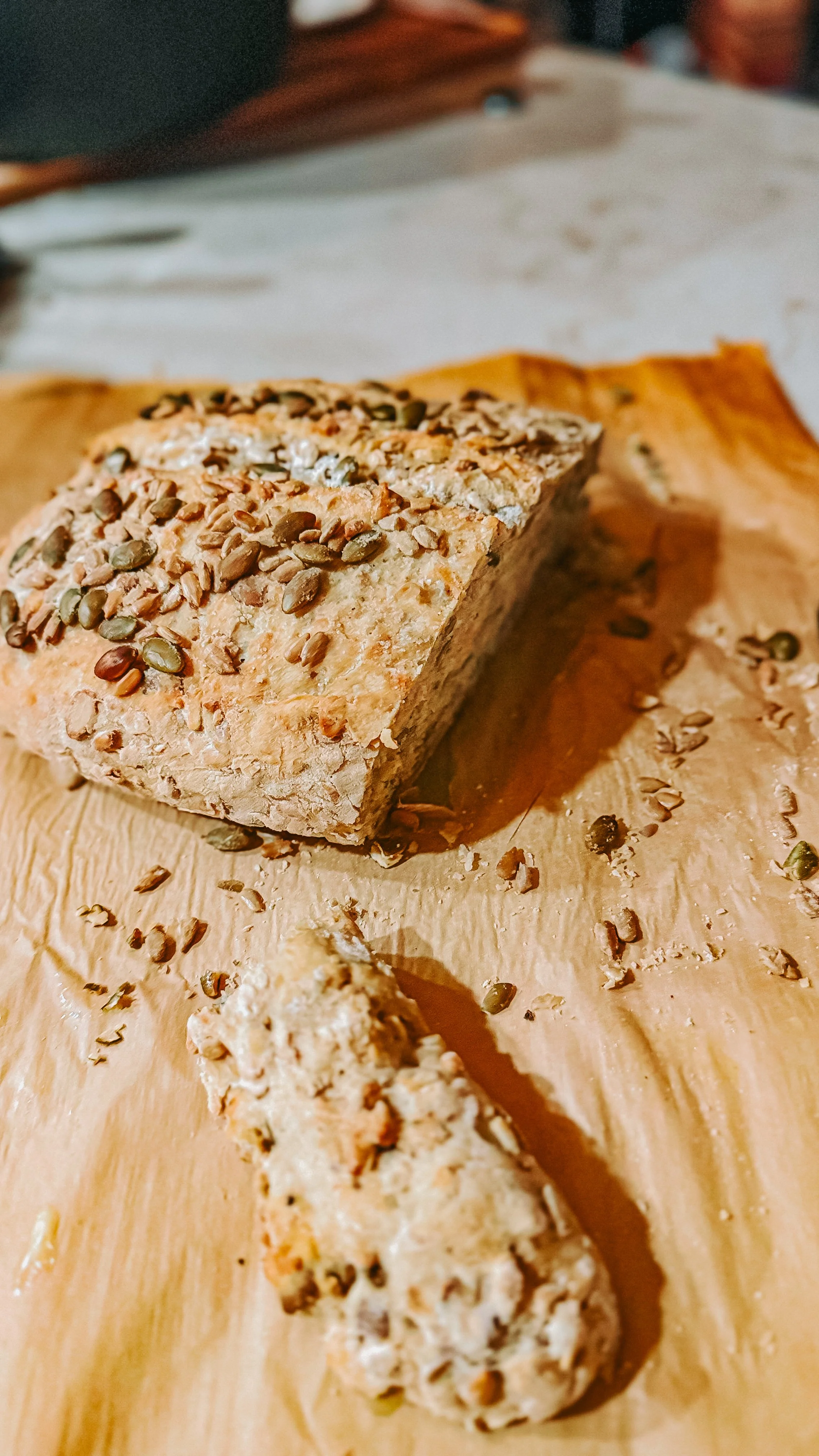
This seeded oat bread is essentially a simple homemade bread recipe, but adding pumpkin seeds, sunflower seeds, and rolled oats gives it an entirely different texture and flavor.
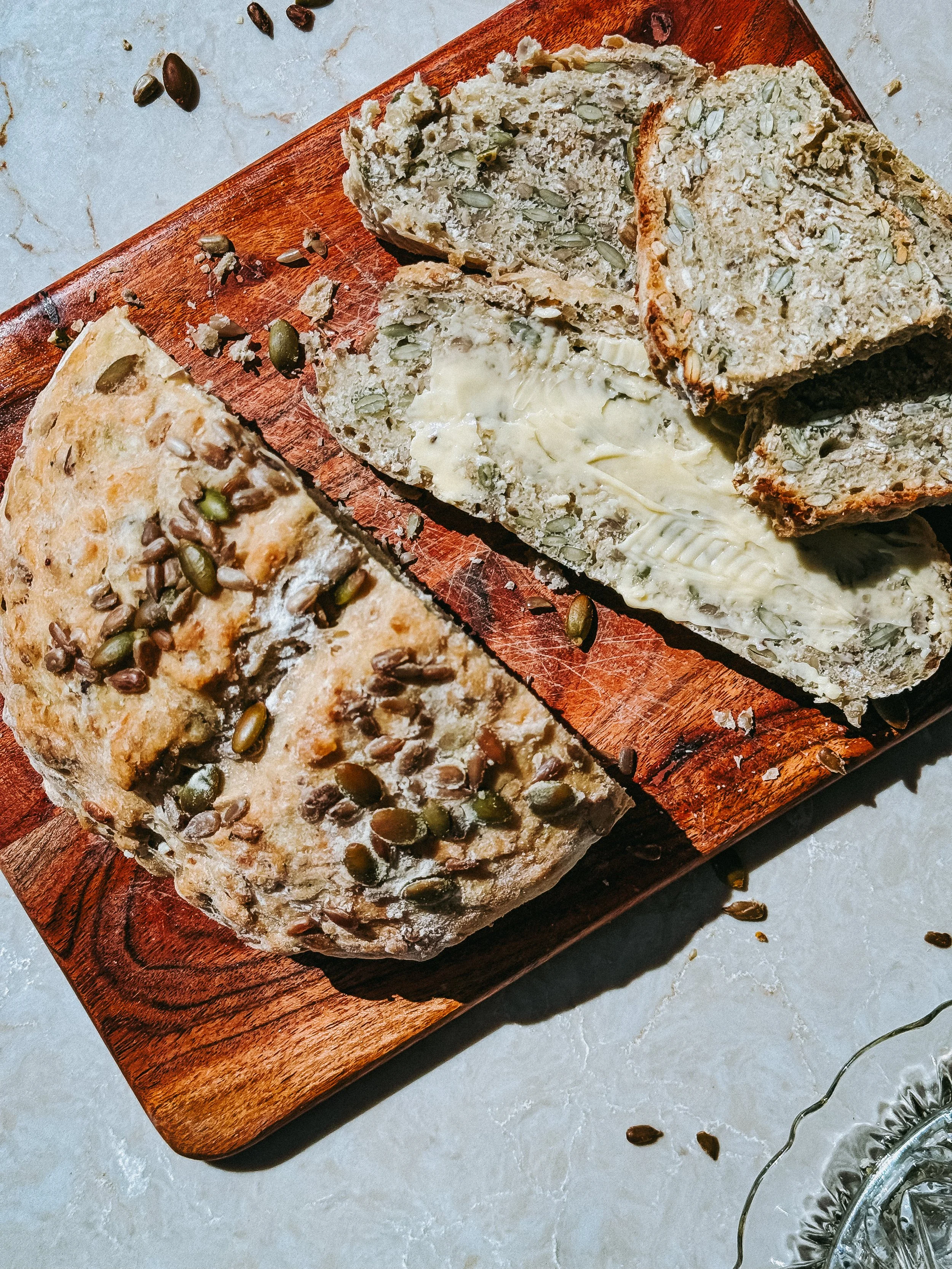
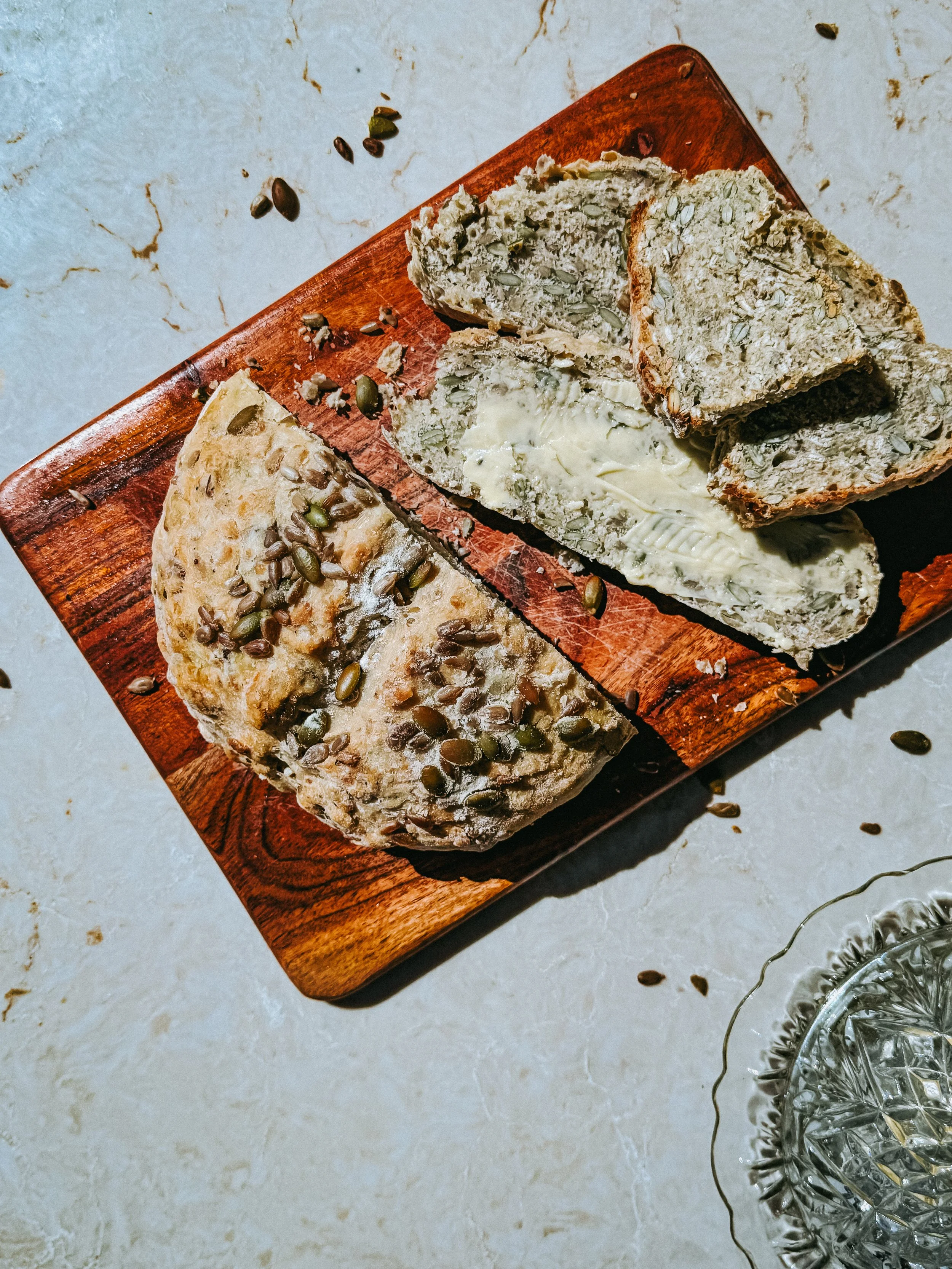
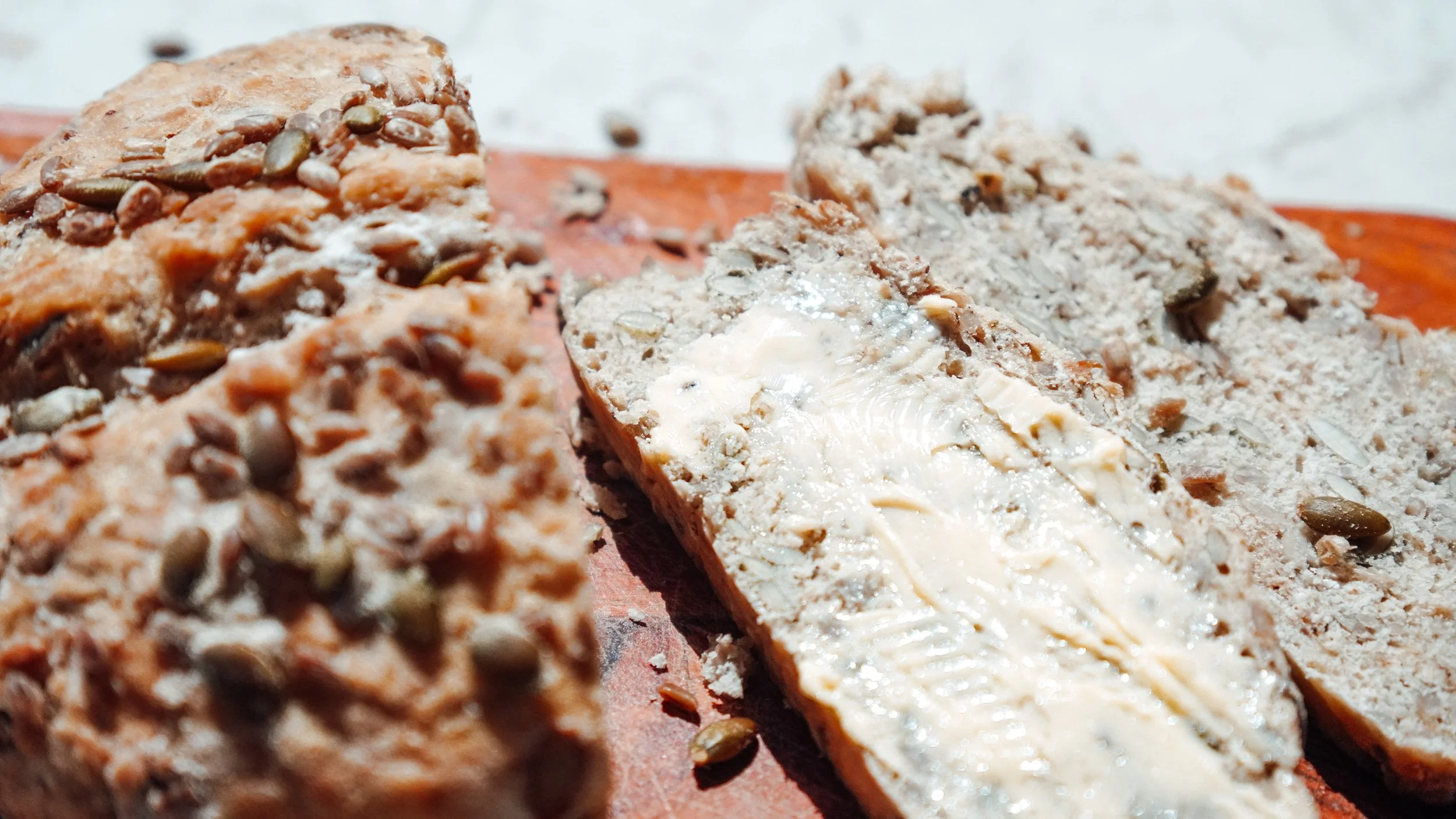
Mine came out a little denser than I initially expected, but it was still absolutely delicious—especially with a generous amount of fresh butter.
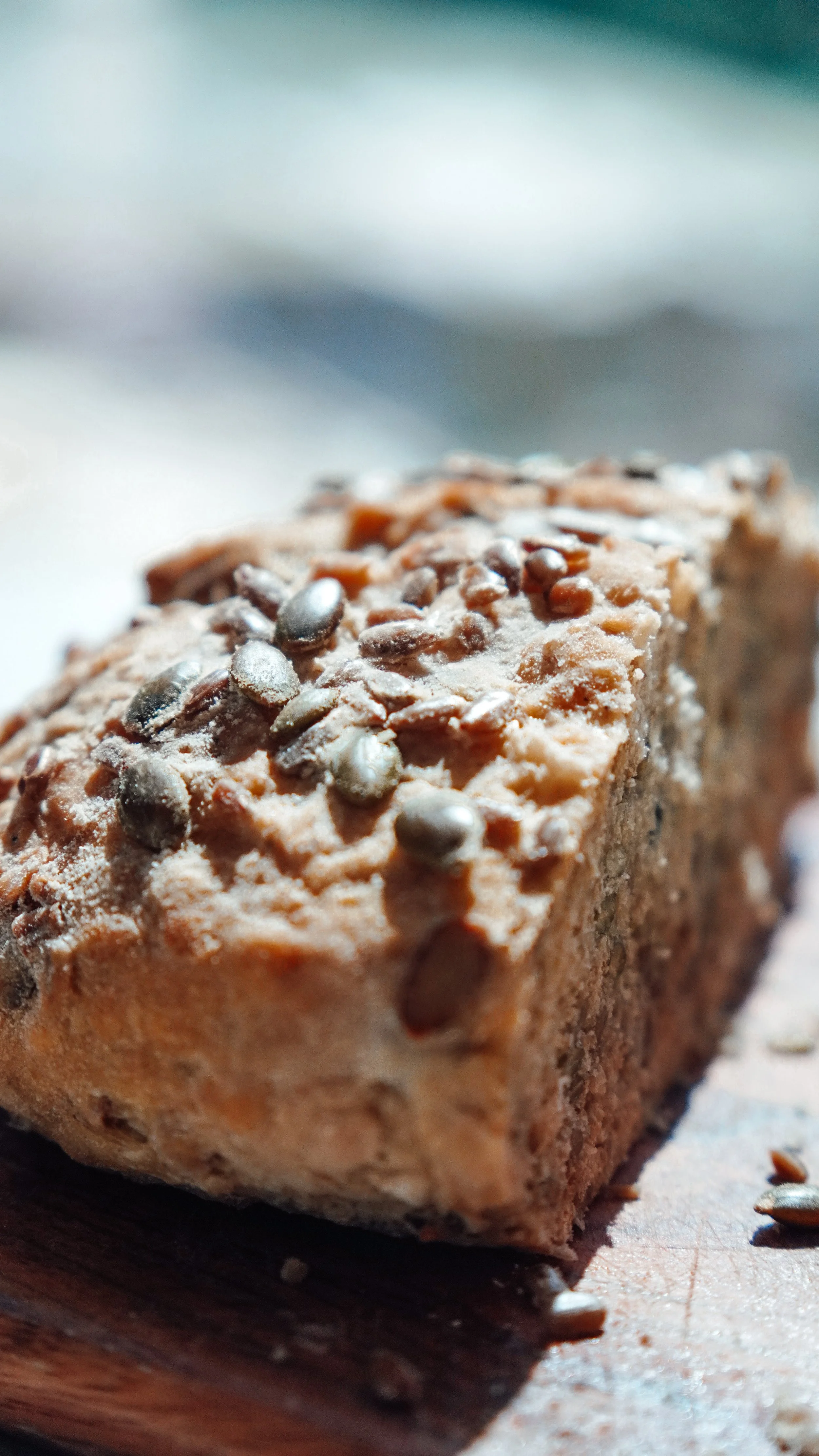
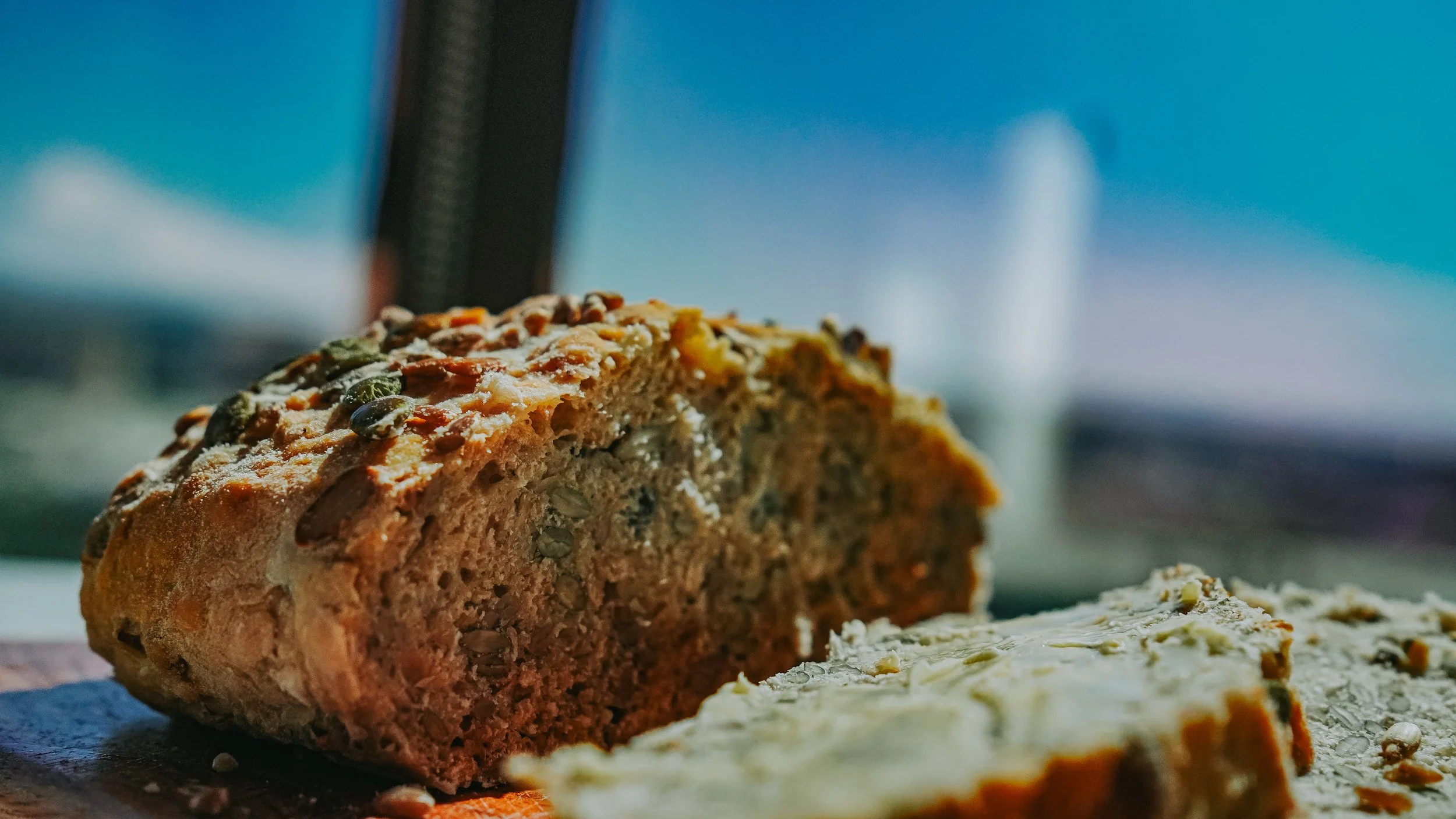
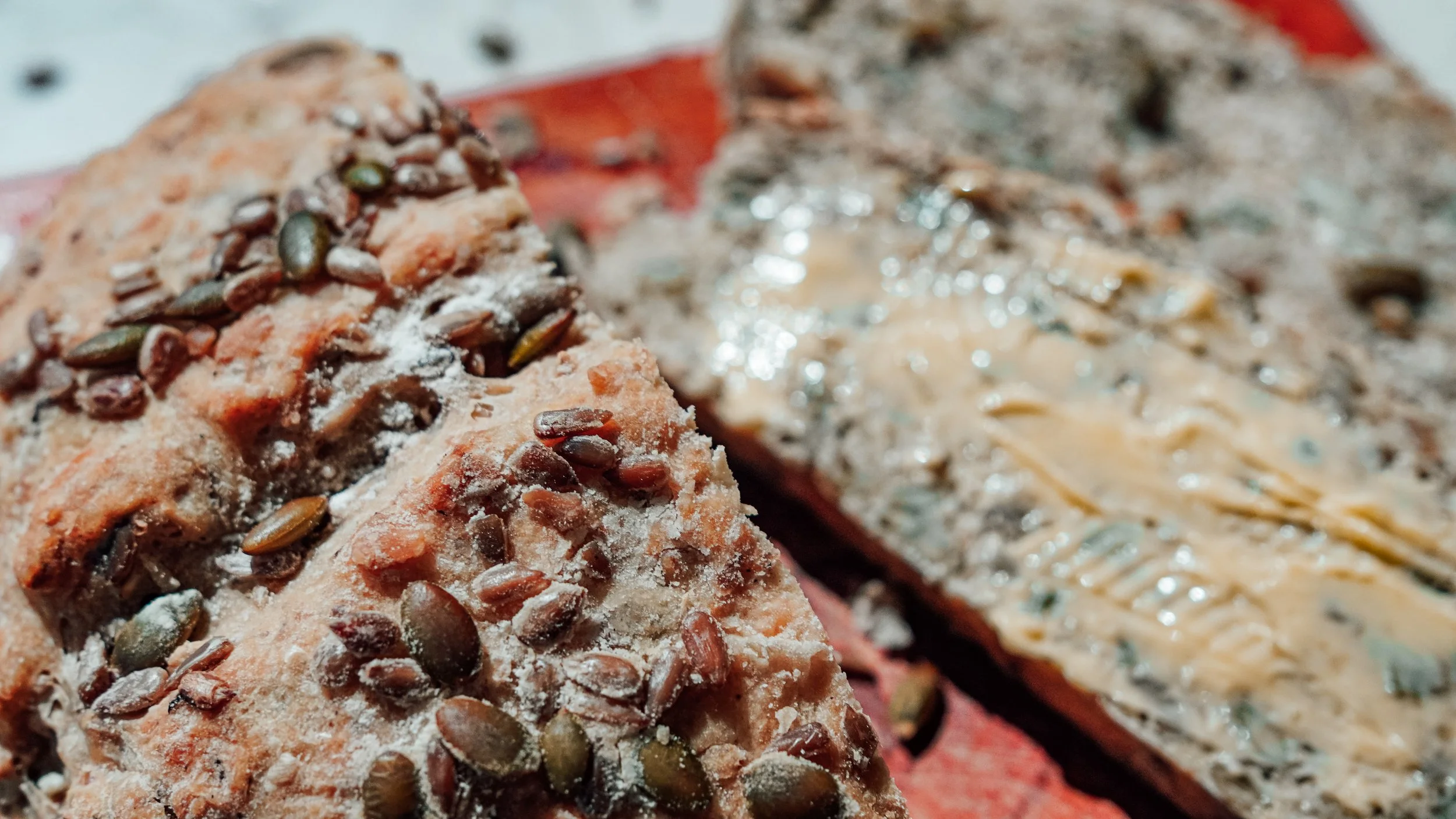
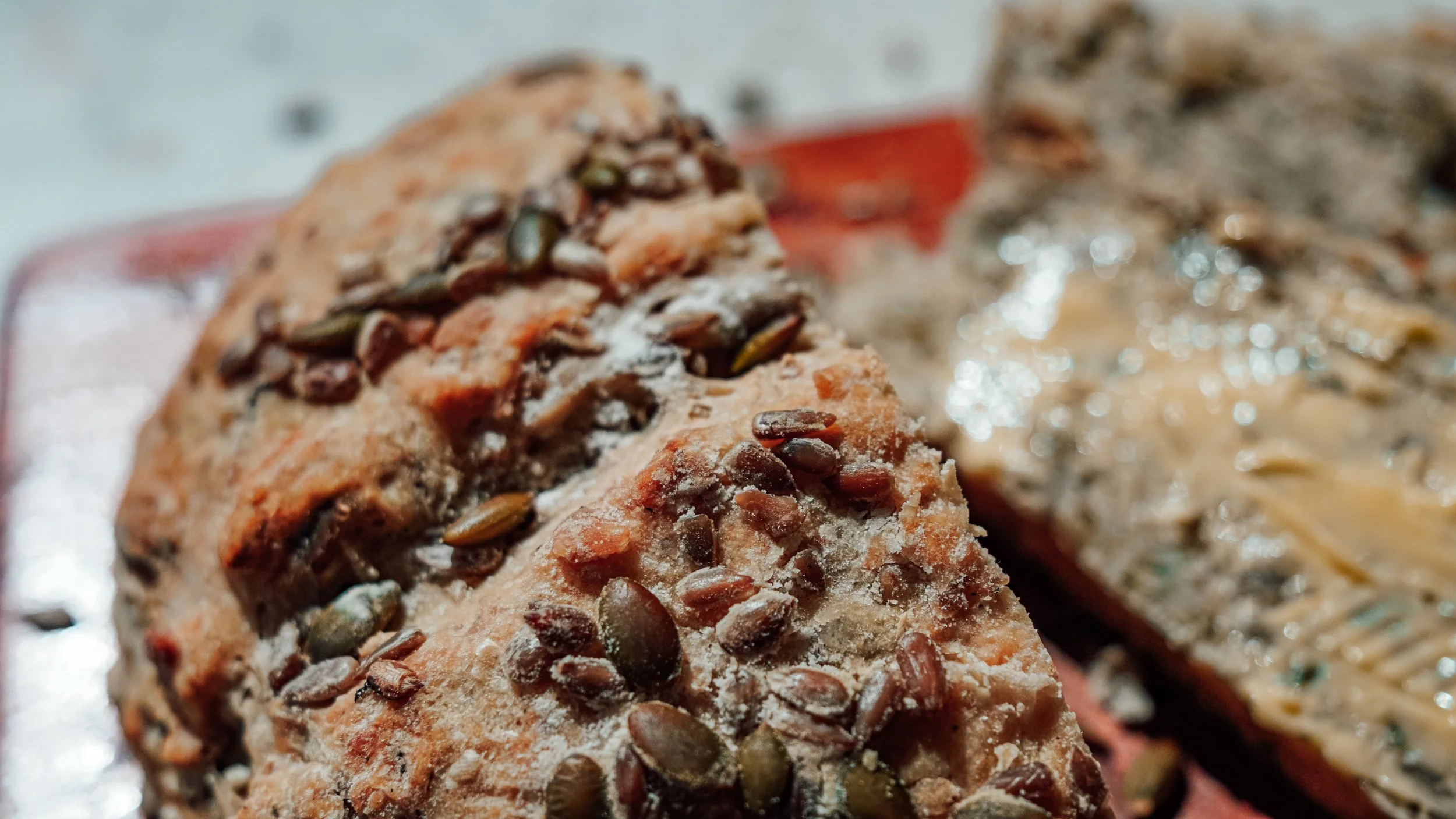
The oats create a hearty crumb, while the pumpkin and sunflower seeds bring little pockets of texture and nutty flavor throughout the loaf. The honey adds a gentle sweetness without turning it into dessert bread.
This recipe also made me think about the way people have always cooked with what was available after the harvest.
Fall brings pumpkins, sunflowers, grains, and seeds. Instead of treating those seeds as scraps, they can be collected, dried, stored, toasted, eaten by themselves, or baked directly into bread.
There is something deeply satisfying about taking a few simple ingredients and turning them into a loaf that can be served with breakfast, used for sandwiches, toasted with butter, or placed beside a warm bowl of soup.
Bread does not have to come from a plastic bag with a long ingredient list. At its foundation, it can be incredibly simple: flour, yeast, water, salt, and a little honey.
Once you understand that foundation, you can begin adding different grains, seeds, herbs, and flavors based on what you already have.
Why This Recipe Works
Bread flour supports the oats and seeds
Bread flour contains more protein than ordinary all-purpose flour. As the dough rests and rises, that protein forms a stronger gluten network that helps support the added oats and seeds.
All-purpose flour can still be used, but the loaf may be slightly softer and may not rise quite as high.
Rolled oats create a hearty crumb
Old-fashioned rolled oats absorb some of the water as the dough rests, giving the bread its soft but substantial texture.
Because the oats need time to hydrate, the dough may initially seem wetter or stickier than an ordinary white bread dough.
Pumpkin and sunflower seeds add flavor and texture
The seeds add a mild, nutty flavor and gentle crunch throughout the loaf.
Use shelled, unsalted pumpkin and sunflower seeds. Raw or lightly toasted seeds will both work, although toasted seeds create a slightly deeper flavor.
Plus, if you ask me, Pumpkin Seeds are a superfood! These little nuts are packed with big nutrients.
Honey adds subtle sweetness
Honey provides a small amount of sugar for the yeast while helping the crust become deeply golden.
The finished bread should not taste noticeably sweet. The honey simply rounds out the flavor of the oats and seeds.
A slightly sticky dough prevents dryness
This dough is supposed to be slightly sticky. Adding too much flour during shaping can create a dry, overly dense loaf.
Give the oats time to absorb moisture, then add only enough flour to make the dough manageable.
Two rises give the loaf structure
The first rise allows the dough to build flavor and structure. The second gives the shaped loaf time to expand inside the pan before baking.
Because the dough contains oats and seeds, it may not rise as dramatically as plain white bread. Look for visible puffiness and expansion rather than expecting it to triple in size.
How to Make Seeded Oat Bread
1. Combine the dry ingredients
Add the bread flour, active dry yeast, rolled oats, pumpkin seeds, sunflower seeds, and salt to a large mixing bowl.
Stir until everything is evenly distributed and any clumps have been broken apart.
Most modern active dry yeast can be mixed directly into the flour. If you are unsure whether your yeast is still active, combine it with the warm water and honey first. Allow it to rest for 5–10 minutes. If it becomes foamy, it is ready to use.
2. Add the honey and warm water
Add the honey and warm water to the dry ingredients.
Stir with a wooden spoon, dough whisk, or your hands until all the flour is moistened.
The dough should look shaggy and feel slightly sticky. There should not be any large pockets of dry flour remaining in the bowl.
If the dough feels unusually dry and will not come together, add additional warm water 1 tablespoon at a time.
3. Allow the dough to rise
Cover the bowl with a damp towel, reusable bowl cover, plate, or plastic wrap.
Place it in a comfortably warm area and allow the dough to rise for 60–90 minutes.
The dough is ready when it looks noticeably puffy and has expanded. The exact time will depend on the temperature of your kitchen and the activity of your yeast.
A cool kitchen may require additional time.
4. Prepare the loaf pan
Lightly grease an 8½-by-4½-inch or 9-by-5-inch loaf pan with butter, olive oil, or another cooking fat.
If desired, dust the bottom and sides lightly with flour, rolled oats, or cornmeal.
Cornmeal creates a slightly rustic bottom crust and can make the finished loaf easier to release.
5. Shape the dough
Turn the risen dough onto a lightly floured surface.
Gently fold and shape it into a loaf that will fit inside the prepared pan.
Avoid aggressively kneading the dough or pressing out all the air. Handle it just enough to create a relatively smooth shape.
If the dough sticks heavily to your hands, add bread flour approximately 1 tablespoon at a time. Stop as soon as the dough becomes manageable.
6. Allow the loaf to rise again
Place the shaped dough inside the prepared loaf pan.
Cover it loosely and allow it to rise again.
The loaf should look visibly puffy and expanded. It may rise slightly above the edge of the pan, depending on the size of the pan and the strength of the yeast.
Watch the dough rather than relying only on the clock. A cold kitchen may require more time, while a very warm kitchen may shorten the rise.
7. Preheat the oven
During the final portion of the second rise, preheat the oven to 425°F.
Allow the oven to become fully heated before baking. Placing the loaf into an oven that has not reached temperature can affect its final rise and texture.
8. Add the seed topping
Sprinkle the remaining pumpkin and sunflower seeds evenly over the top.
Press them very gently into the surface so they adhere while the loaf bakes.
If the surface feels dry, lightly brush or mist it with water before adding the seeds.
9. Bake until deeply golden
Bake the loaf for approximately 35–45 minutes.
It is ready when the crust is deeply golden, the surface feels firm, and the loaf sounds hollow when tapped.
For the most dependable result, insert an instant-read thermometer into the center. The internal temperature should generally reach approximately 195–205°F.
If the top becomes too dark before the center finishes baking, loosely cover it with foil for the remaining time.
10. Cool before slicing
Remove the pan from the oven and allow the bread to rest for approximately 10 minutes.
Carefully remove the loaf from the pan and transfer it to a cooling rack.
Allow it to cool for at least 45 minutes before slicing. Cutting bread too early can release steam and create a gummy or compressed center.
Serve it slightly warm or toast individual slices before adding butter, honey, or another topping.
Flavor Variations You’ll love!
Honey-Oat Bread
Omit the seeds and add a small amount of additional rolled oats for a simpler honey-oat loaf.
Sprinkle extra oats over the top before baking.
Extra-Seeded Bread
Add flaxseeds, sesame seeds, or hemp hearts while keeping the total amount of seeds relatively close to the original recipe.
Chia seeds and ground flax absorb significant moisture, so adding large amounts may require additional water.
Rosemary Seeded Bread
Add 1–2 teaspoons of finely chopped fresh rosemary to the dry ingredients.
This creates a savory loaf that pairs beautifully with soup, roasted chicken, or butter.
Cinnamon-Raisin Oat Bread
Add cinnamon and raisins while reducing or omitting the pumpkin and sunflower seeds.
Add a little more honey if you want a sweeter breakfast loaf.
Whole-Wheat Seeded Bread
Replace up to 1 cup of the bread flour with whole-wheat flour.
Whole-wheat flour absorbs more water and can create a denser loaf, so add a little additional water if the dough feels dry.
Maple Seeded Bread
Replace the honey with pure maple syrup.
The flavor will be slightly different, but maple pairs beautifully with oats, pumpkin seeds, and sunflower seeds.
Troubleshooting and Substitutions
Why is my bread dense?
Seeded oat bread will naturally be heartier and slightly denser than ordinary white bread.
An excessively dense loaf can result from inactive yeast, insufficient rising time, too much additional flour, or slicing the bread before it has cooled.
Allow the dough to become visibly puffy during both rises rather than relying exclusively on the suggested times.
Why is my dough sticky?
The dough is supposed to feel slightly sticky because it contains a generous amount of water.
Allow the oats time to absorb moisture before adding more flour. During shaping, add additional flour approximately 1 tablespoon at a time.
Why didn’t my dough rise?
The yeast may be expired, the water may have been too hot, or the kitchen may simply be cold.
Move the covered bowl to a warmer location and give it additional time. If there is still no activity, the yeast may no longer be viable.
Why is the center gummy?
The loaf may need more baking time, or it may have been sliced while still too hot.
Check for an internal temperature of approximately 195–205°F and allow the bread to cool before cutting it.
Can I use all-purpose flour?
Yes. Replace the bread flour with the same amount of all-purpose flour.
The loaf may be slightly softer and may not rise quite as high.
Can I use instant yeast?
Yes. Use the same amount and mix it directly with the dry ingredients.
Instant yeast may cause the dough to rise faster, so watch the dough rather than relying only on the clock.
Can I use quick oats?
Quick oats may work, but they absorb moisture differently and can create a softer, slightly heavier texture.
Old-fashioned rolled oats will produce the best hearty crumb. Steel-cut oats should not be used as a direct replacement because they require more water and cooking time.
Can I use only one kind of seed?
Yes. Replace the omitted seeds with an equal amount of pumpkin or sunflower seeds.
Do I need a loaf pan?
A loaf pan provides helpful support for this relatively soft dough, but it is not absolutely required.
For a free-form loaf, shape the dough and place it on a parchment-lined baking sheet. It may spread more and produce a wider, flatter loaf.
Can I replace the honey?
Replace the honey with pure maple syrup or real cane sugar.
If you use dry sugar, the dough may require a small amount of additional water.
What to Serve With Seeded Oat Bread
This bread is delicious with:
Fresh butter
Honey
Fruit preserves
Soft cheese or cream cheese
Eggs
Smoked salmon
Chicken or beef soup
Homemade broth
Beef bourguignon
Roasted chicken
A fall salad
Nut or seed butter
Sliced meat and cheese
It is also sturdy enough for sandwiches and becomes especially flavorful when toasted.
How to Store Seeded Oat Bread
Allow the loaf to cool completely before storing it.
Keep it in an airtight container, bread bag, or reusable bread wrap at room temperature for approximately 2–3 days.
For longer storage, slice the cooled loaf and freeze it in an airtight container for up to 2–3 months.
Place parchment between the slices or freeze them in a single layer before transferring them to a container. This makes it easy to remove one slice at a time.
Frozen slices can go directly into the toaster or be allowed to thaw at room temperature.
This loaf begins with an ordinary bread dough and becomes something special through a few simple additions.
A handful of oats. Pumpkin seeds. Sunflower seeds. A little honey.
It does not need to be perfectly light or identical to bread from the store. Mine was a little denser than I expected, and with fresh butter, it was still absolutely delicious.
That is part of learning to cook with real food: using what you have, learning from every loaf, and discovering that something does not have to be perfect to be worth making again.