

Pesto, but make it fall! A savory twist on a classic favorite with fresh sage, rosemary, garlic, Parmesan, and pumpkin seeds.
You came for the recipe, so I won't make you scroll for it!
Ingredients
2–3 cups fresh sage leaves, loosely packed
2 sprigs fresh rosemary, leaves removed from the stems
3–6 garlic cloves, peeled
¼ cup pumpkin seeds (pepitas), preferably unsalted
¼ cup freshly grated Parmesan cheese
½–¾ cup extra virgin olive oil, or enough to reach your preferred consistency
Sea salt, to taste
Freshly cracked black pepper, to taste
Prep Time: 10 minutes
Cook Time: None
Yield: Approximately 1–1½ cups, depending on the amount of herbs and olive oil used
Instructions
Visual Learner? Watch Me Make It!
See how I turn fresh sage, rosemary, pumpkin seeds, garlic, and Parmesan into a savory fall pesto. A simple seasonal twist on a classic favorite!
1. Prepare Your Fresh Herbs
Start by washing and thoroughly drying your sage and rosemary. Prepare garlic.
We're using sage as the main herb here instead of traditional basil, with rosemary adding another layer of that beautiful, savory fall flavor.
2. Add Everything to the Food Processor or Blender Bottle
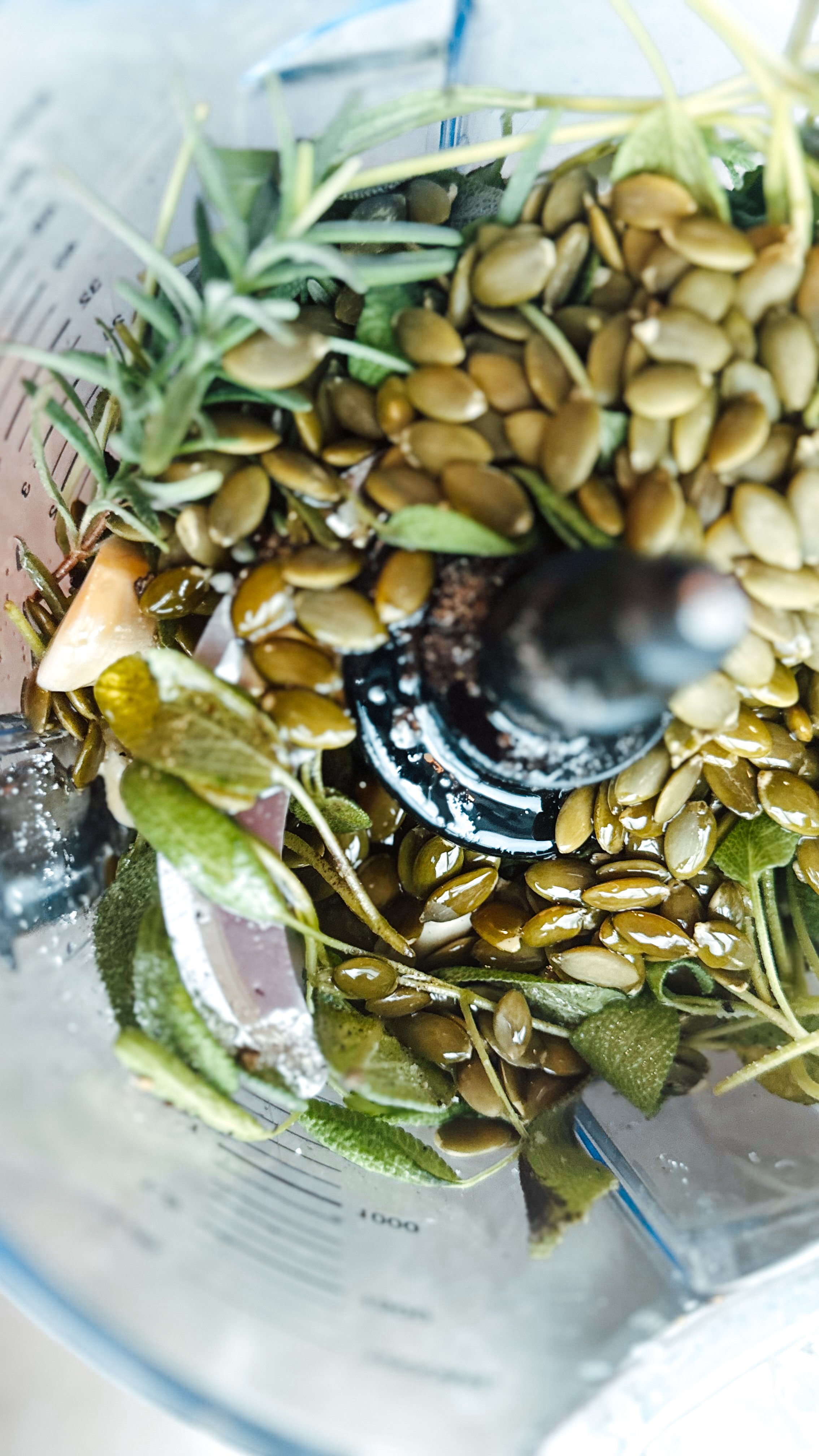
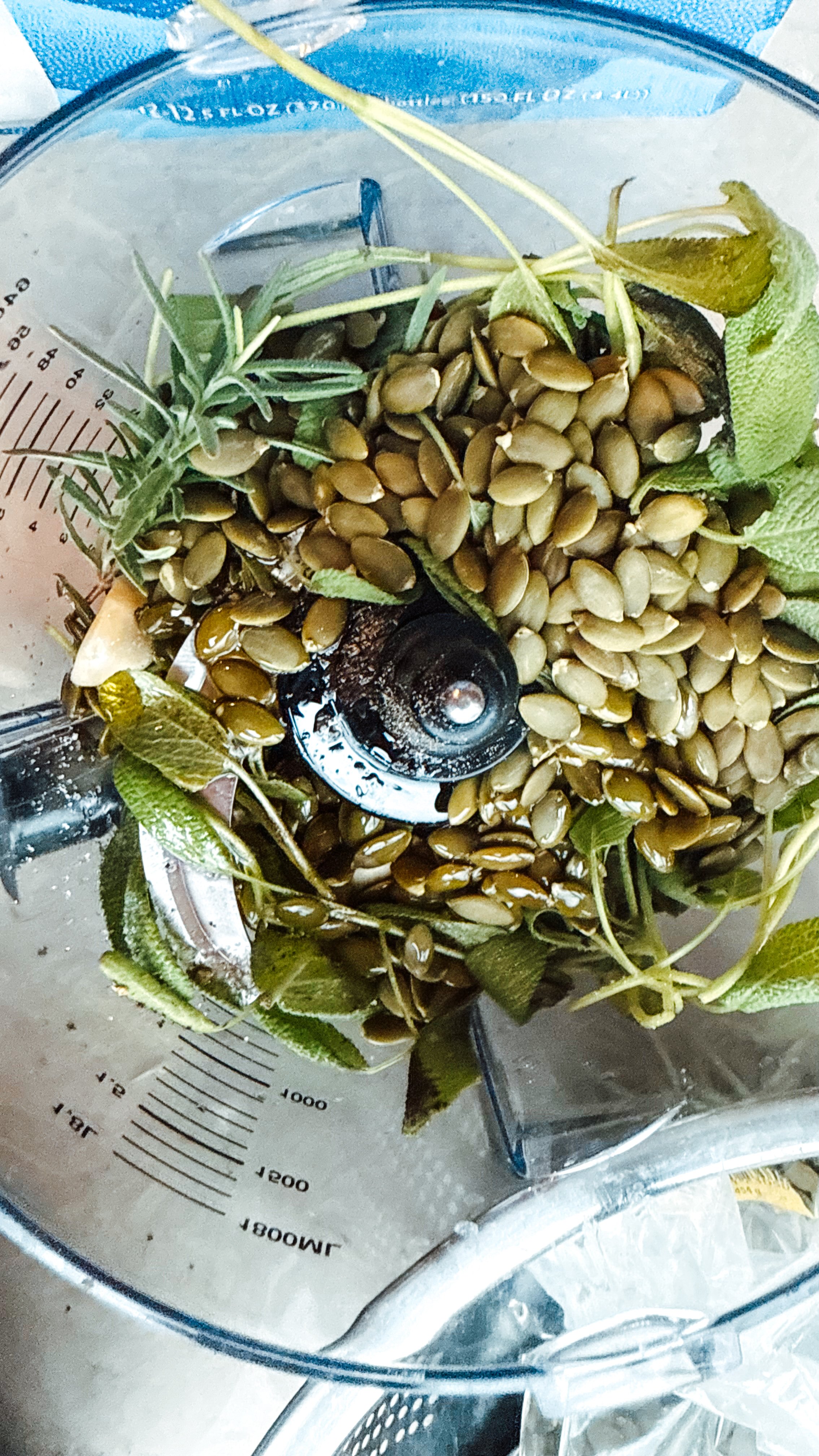
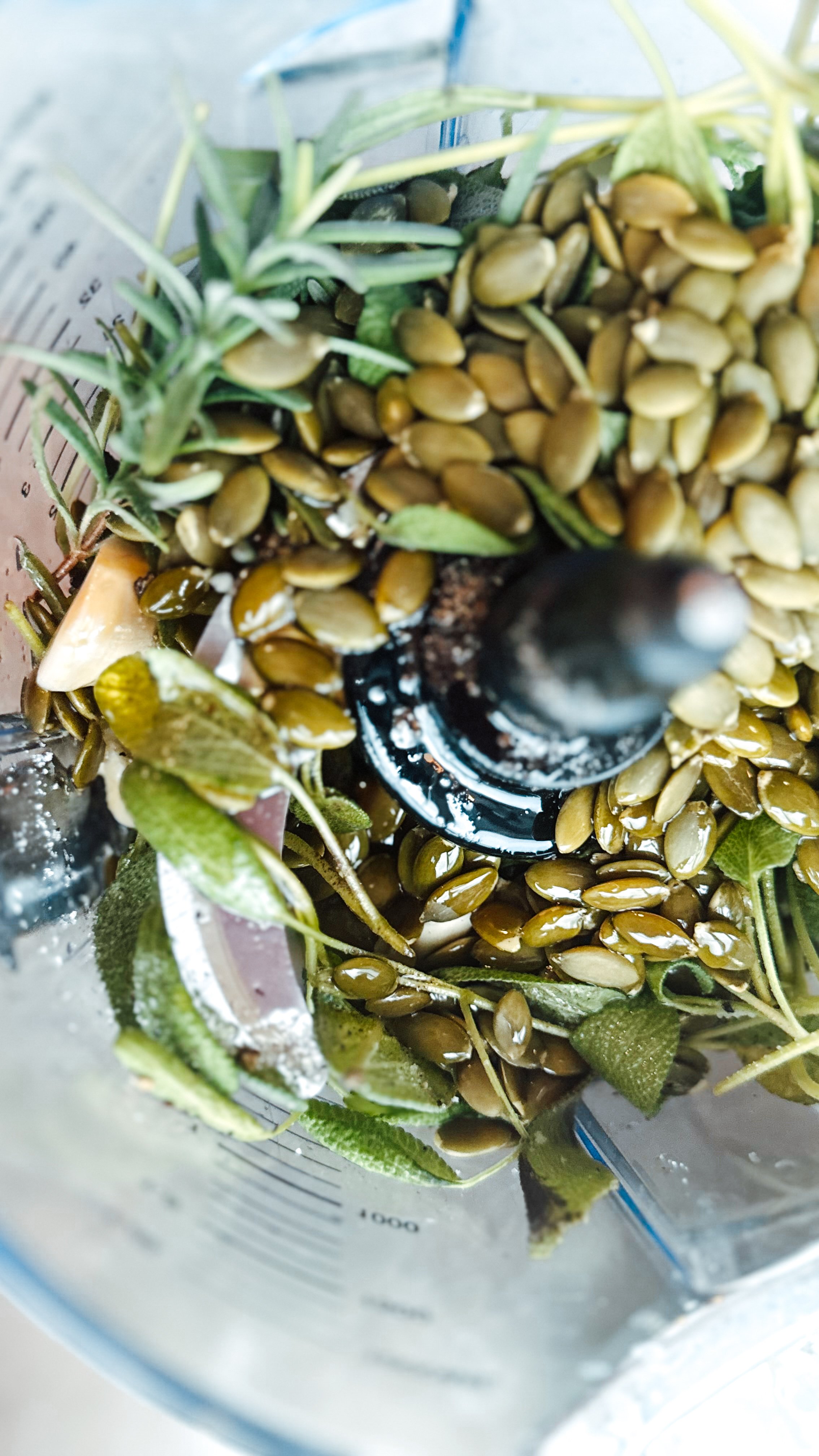
Add your sage, rosemary, garlic, pumpkin seeds, freshly grated Parmesan cheese, salt, and pepper to a food processor or blender.
Pulse a few times to break everything down but isn’t smooth.
The pumpkin seeds are replacing the traditional pine nuts or walnuts, giving us that rich, slightly nutty flavor and a little more seasonal character.
3. Blend with Extra Virgin Olive Oil
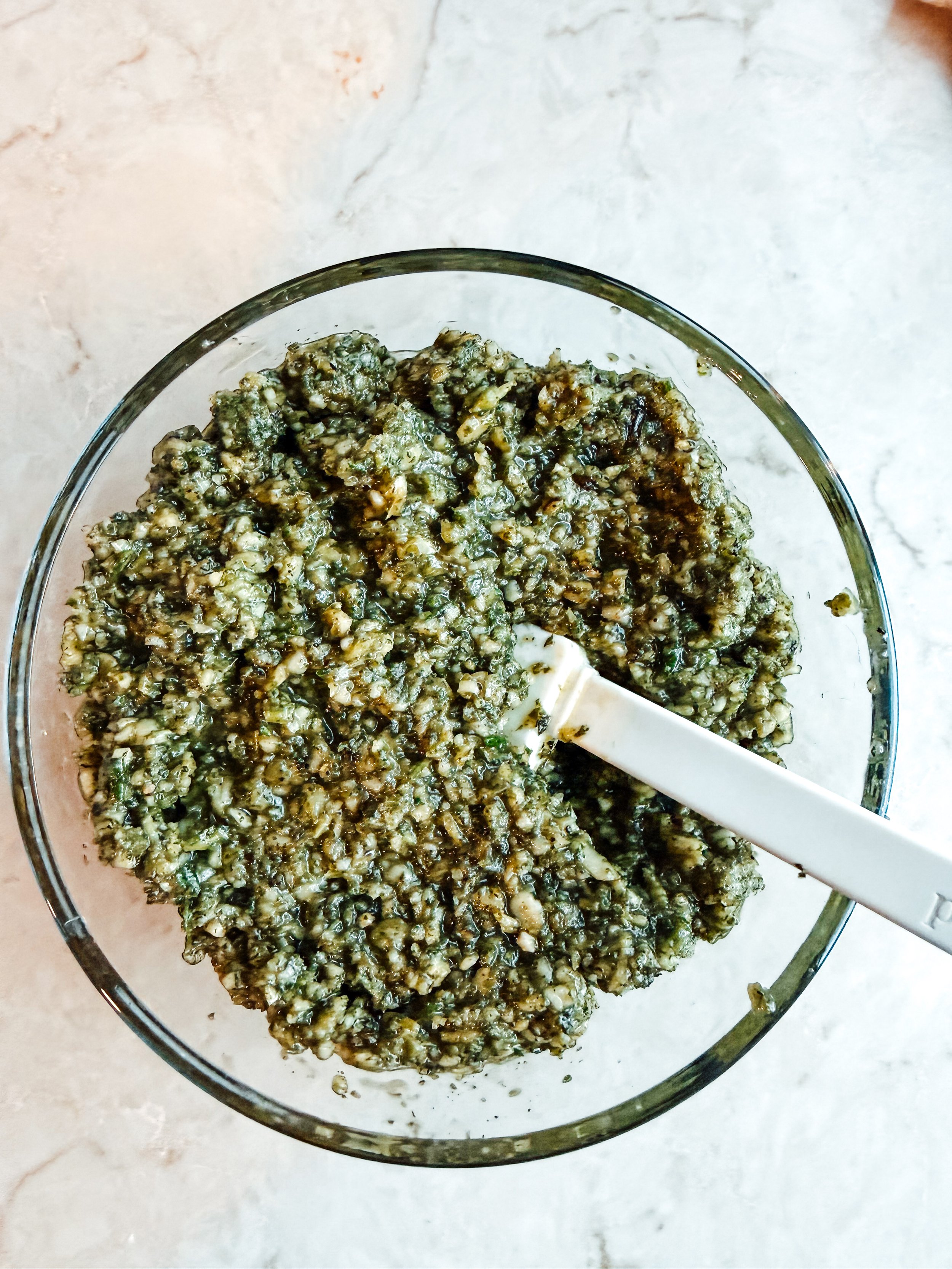
With the food processor running on low or pulsing, gradually add your extra virgin olive oil until everything starts coming together.
Start with about ½ cup and add more as needed.
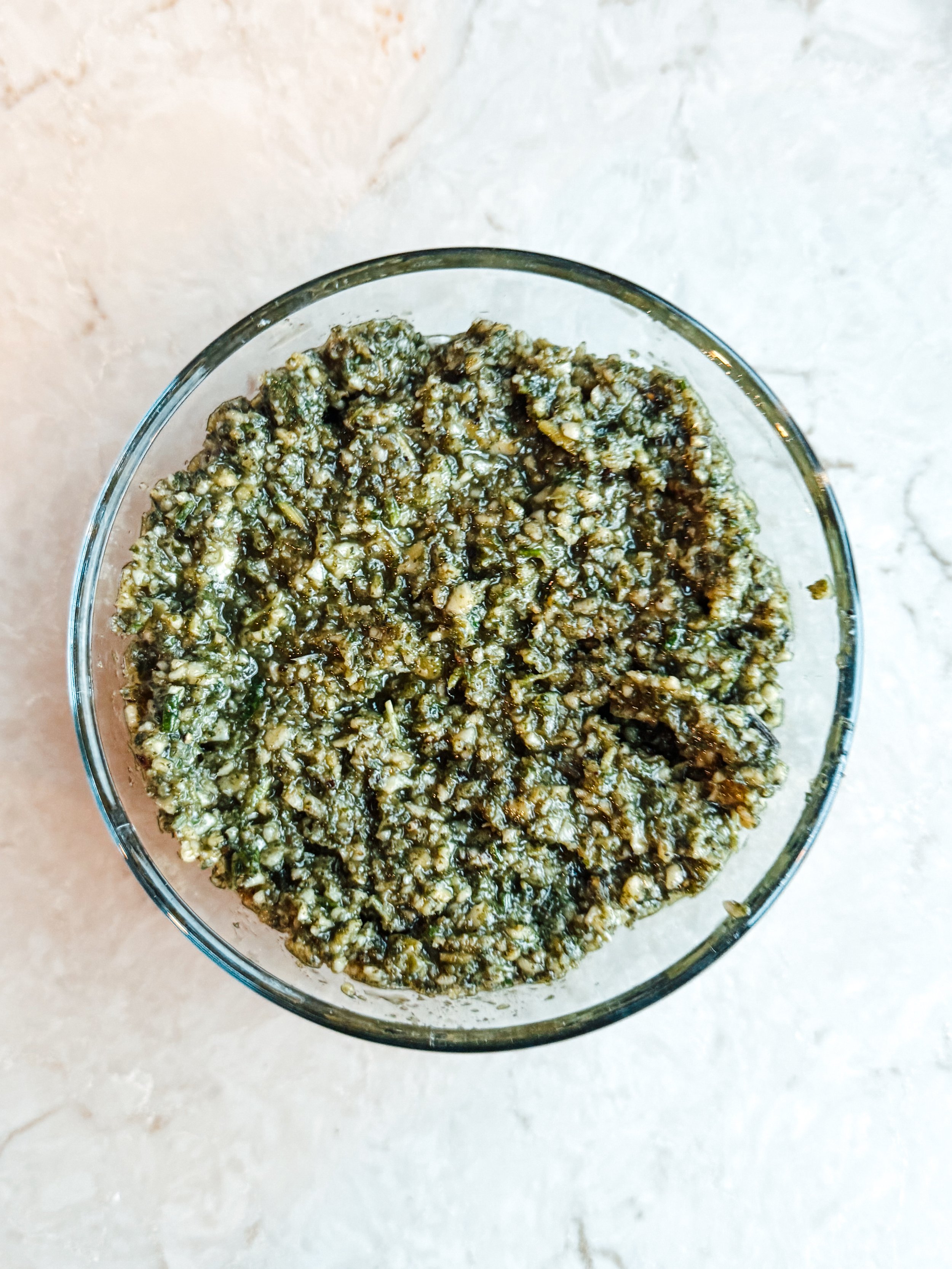
You want a thick, spoonable pesto that still has some texture.
I personally like mine with a little texture rather than blending it until completely smooth.
4. Season to Taste
Add sea salt and freshly cracked black pepper.
Give everything another quick pulse, then taste.
If the sage is especially strong, you can balance it with a little more Parmesan or olive oil. You could also add a handful of fresh parsley if you'd like a milder herb flavor.
Remember, sage and rosemary are both stronger than basil, so the flavor is going to be more savory and earthy than your typical summer pesto.
5. Serve & Enjoy!
And that's it!
Serve your fall pesto over pasta, alongside roasted vegetables, with your Thanksgiving leftovers, or simply spread over a fresh piece of homemade bread.
It's such an easy way to switch up a classic favorite for the holiday season.
Happy cooking!
Pesto, But Make It Fall!
I love a good pesto, but most of us automatically think of basil, pine nuts, garlic, Parmesan, and olive oil.
And there's absolutely nothing wrong with that classic combination.
But with the holidays coming up, I wanted to make something that had a little more of those familiar fall flavors.
So instead of basil, we're using sage and rosemary.
And instead of pine nuts or walnuts, we're using pumpkin seeds!
The result is a rich, savory, herb-forward pesto that tastes like it belongs on your holiday table.
It's earthy, garlicky, nutty, and full of flavor.
And just like a traditional pesto, it's incredibly versatile. You can serve it with just about anything.
Sometimes, the best recipes come from taking something you already love and simply switching up a few ingredients.
Why Sage Makes Such a Good Fall Pesto
Sage is one of those herbs that immediately reminds me of fall cooking.
It's aromatic, earthy, and slightly peppery, with a savory flavor that works beautifully alongside roasted meats, squash, potatoes, and all those comforting holiday dishes.
We're used to seeing sage in stuffing, browned butter sauces, and roasted turkey recipes.
But it also makes a really interesting pesto!
Unlike basil, which has a sweeter and more delicate flavor, sage is much more pronounced.
That means you're getting a completely different flavor profile from a traditional pesto.
I like combining it with a little fresh rosemary for another layer of complexity.
And you don't have to limit yourself to these exact herbs, either.
If you have fresh parsley, thyme, or other herbs you want to use, you can absolutely experiment with them.
That's one of the things I love about pesto. Once you understand the basic formula, there are so many ways to make it your own.
Why We're Using Pumpkin Seeds Instead of Pine Nuts
Traditional pesto is usually made with pine nuts, although walnuts are another popular substitute.
For this fall version, I wanted to try pumpkin seeds.
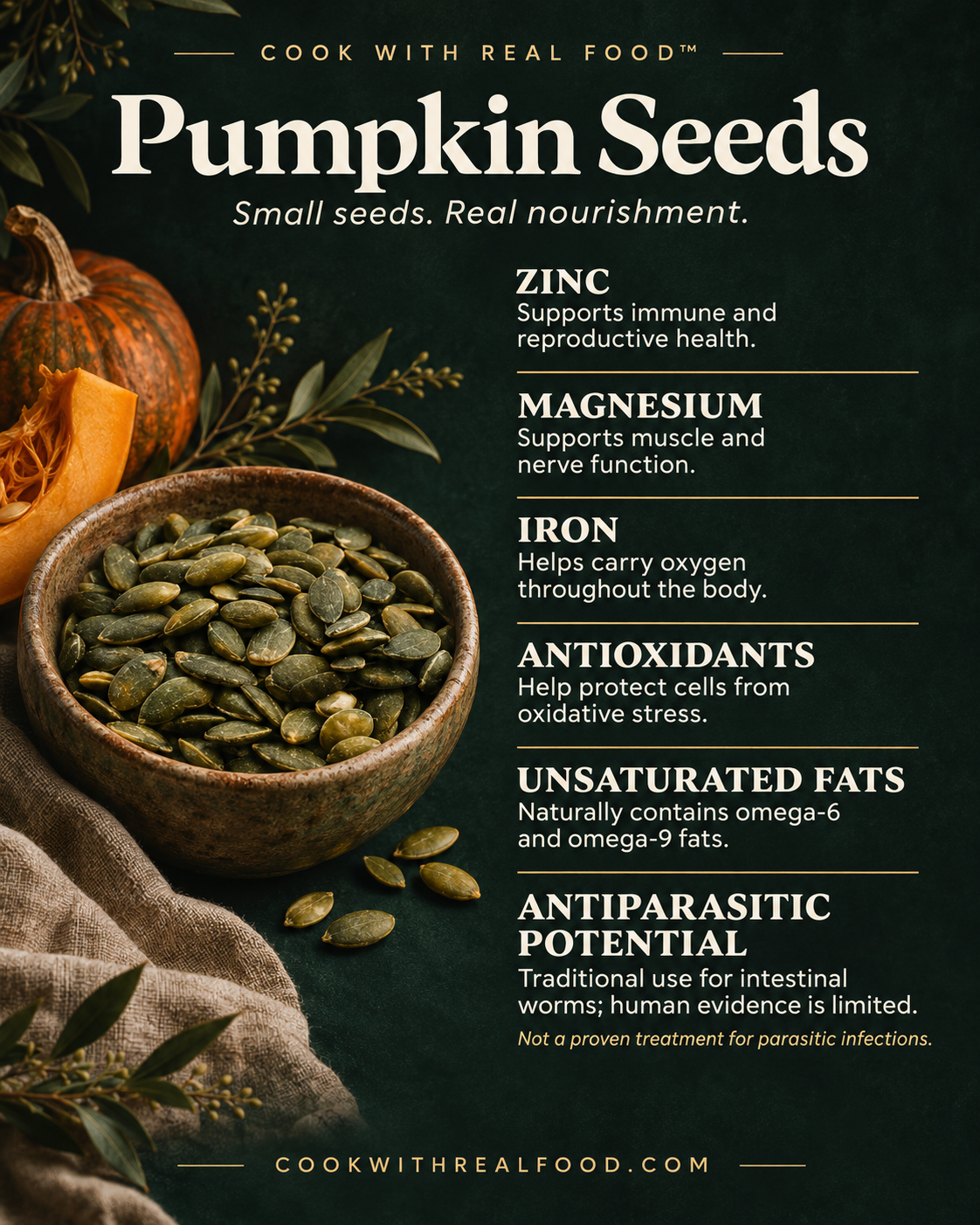
Also called pepitas, these little seeds have a mild, nutty flavor that pairs beautifully with sage, rosemary, and garlic. Not to mention great health benefits!
They also help give the pesto body and texture, just as pine nuts would.
And because we're using them raw or lightly toasted, they're incredibly easy to incorporate.
If you want to take the flavor a little further, try gently toasting the pumpkin seeds in a dry skillet for a few minutes before adding them to the food processor.
This brings out more of their nutty flavor.
Just make sure to let them cool before blending.
A Little Reminder of Why I Want to Grow My Own Herbs
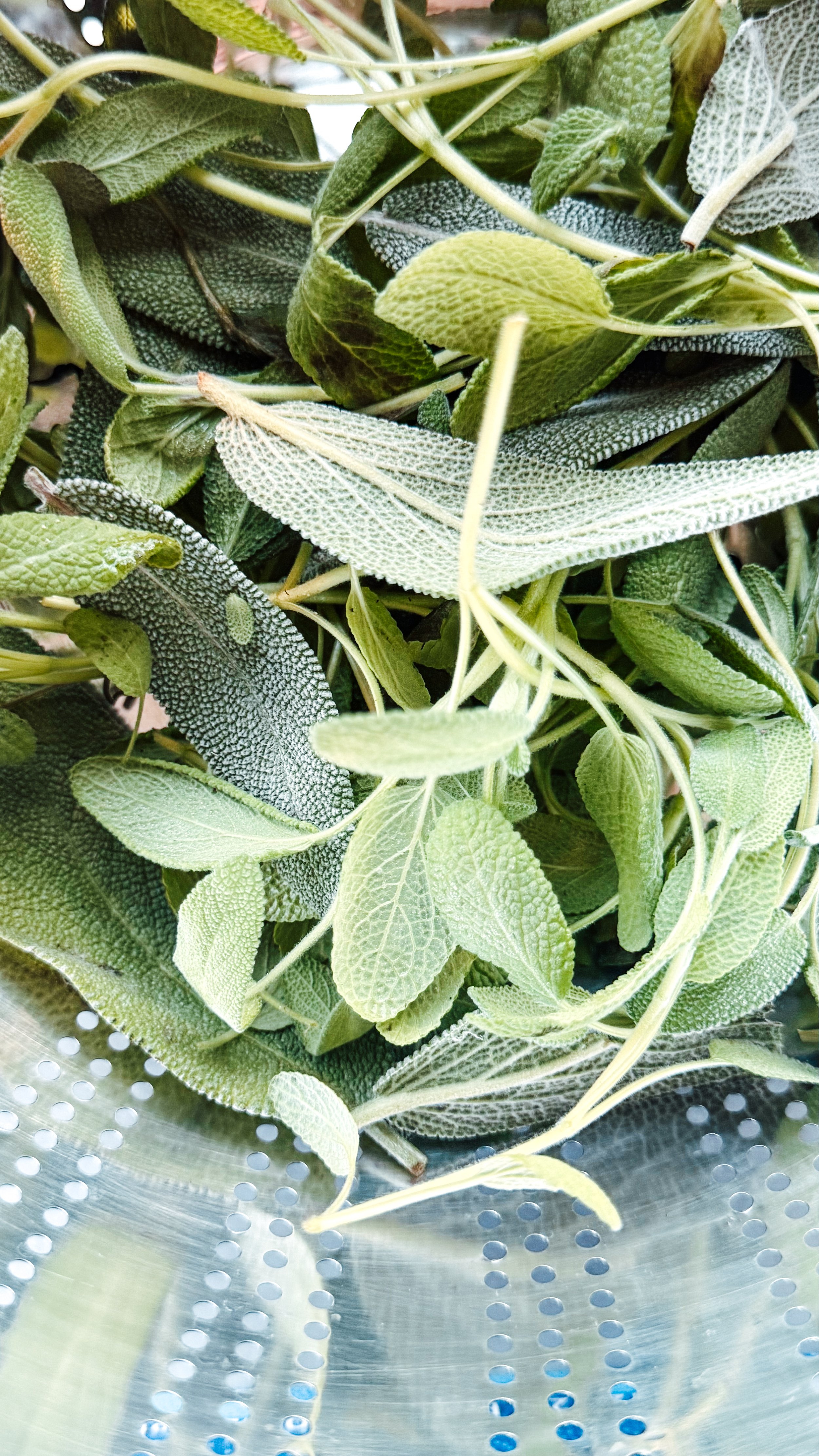
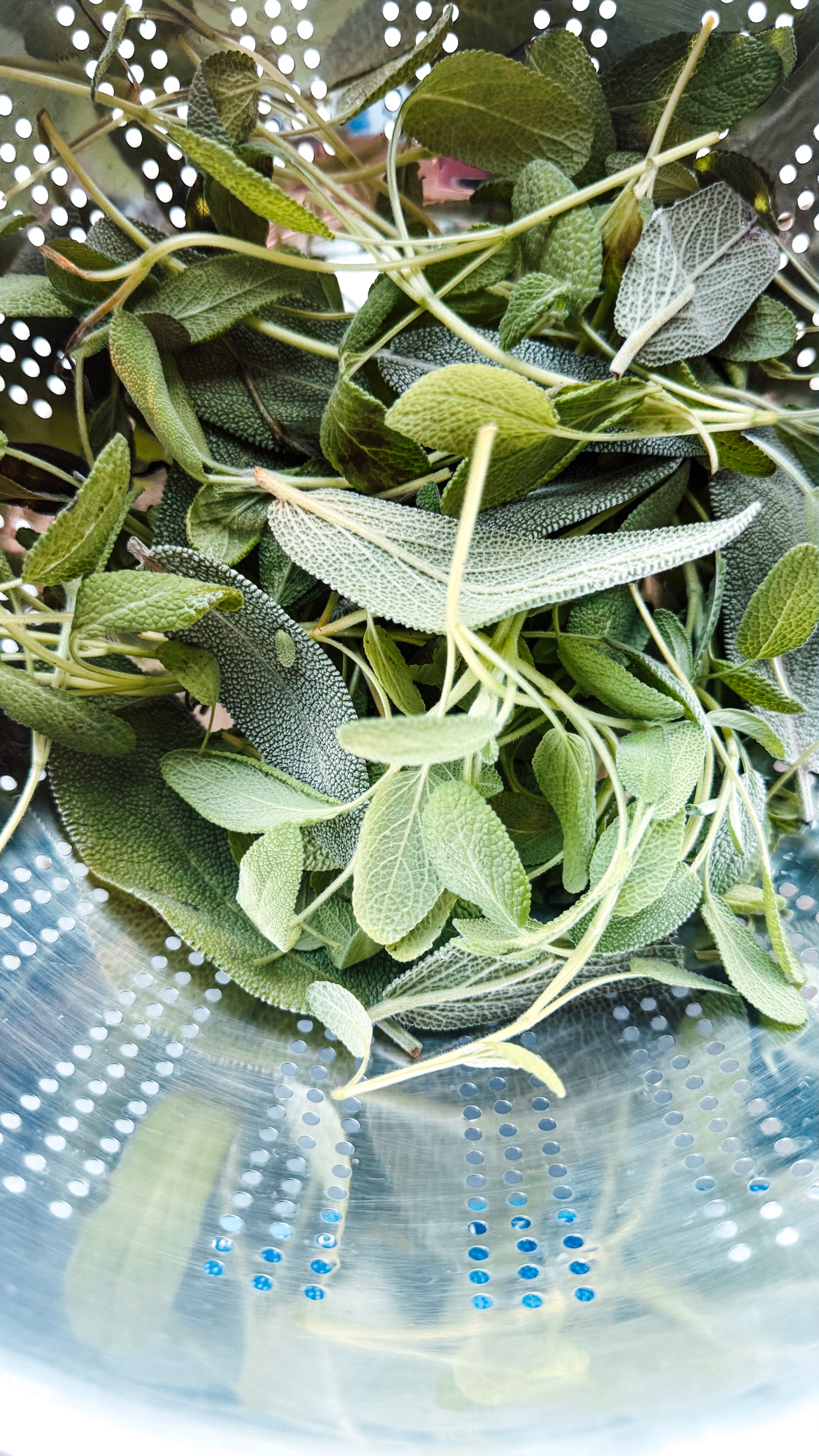
One of my favorite things about making this recipe was getting to use a mixture of store-bought sage and fresh sage from a friend's garden. (Thanks, Ginger!)
And wow, what a difference!
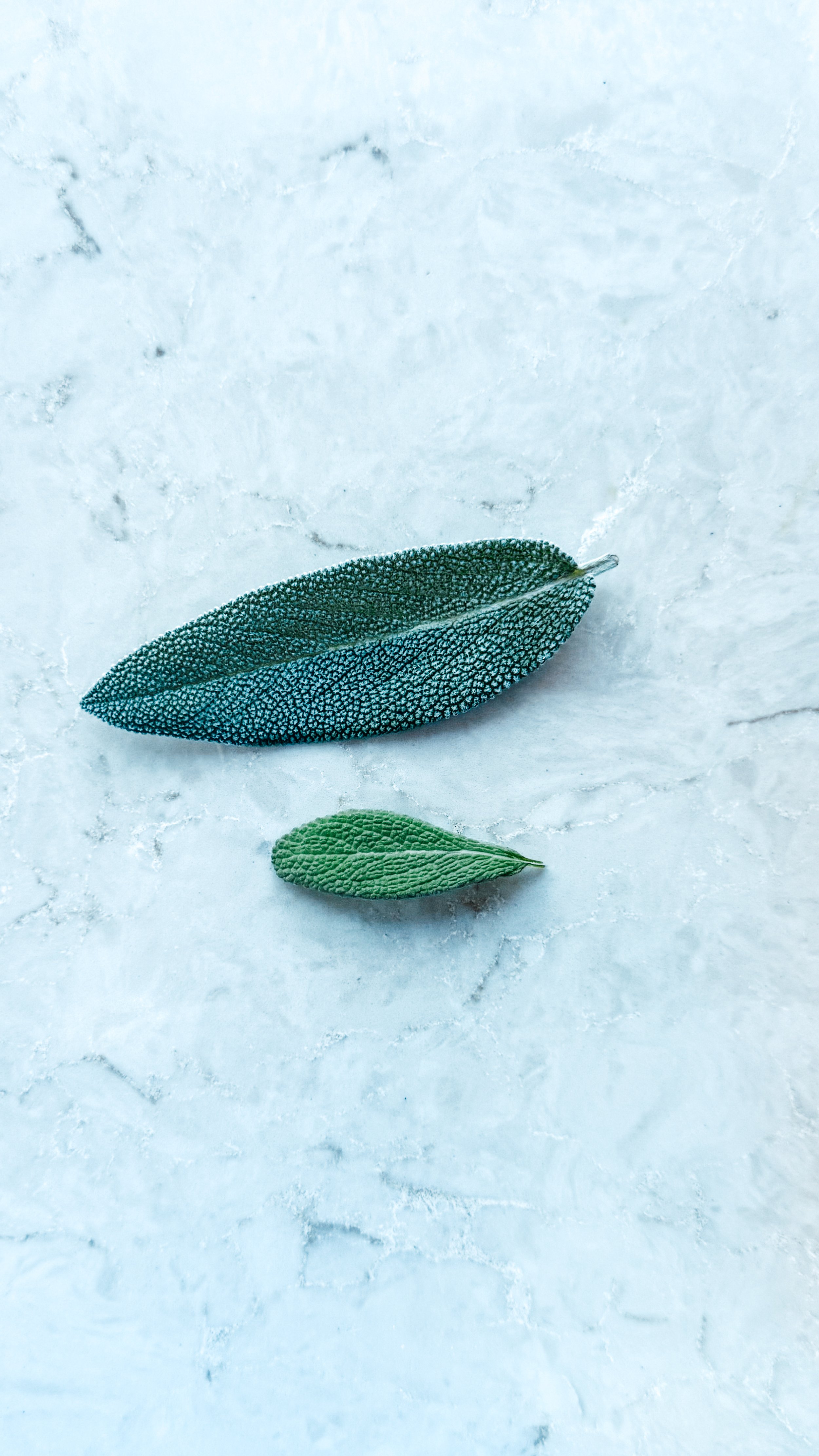
Just look at the size difference between the two! Can you guess which one is from a home garden??
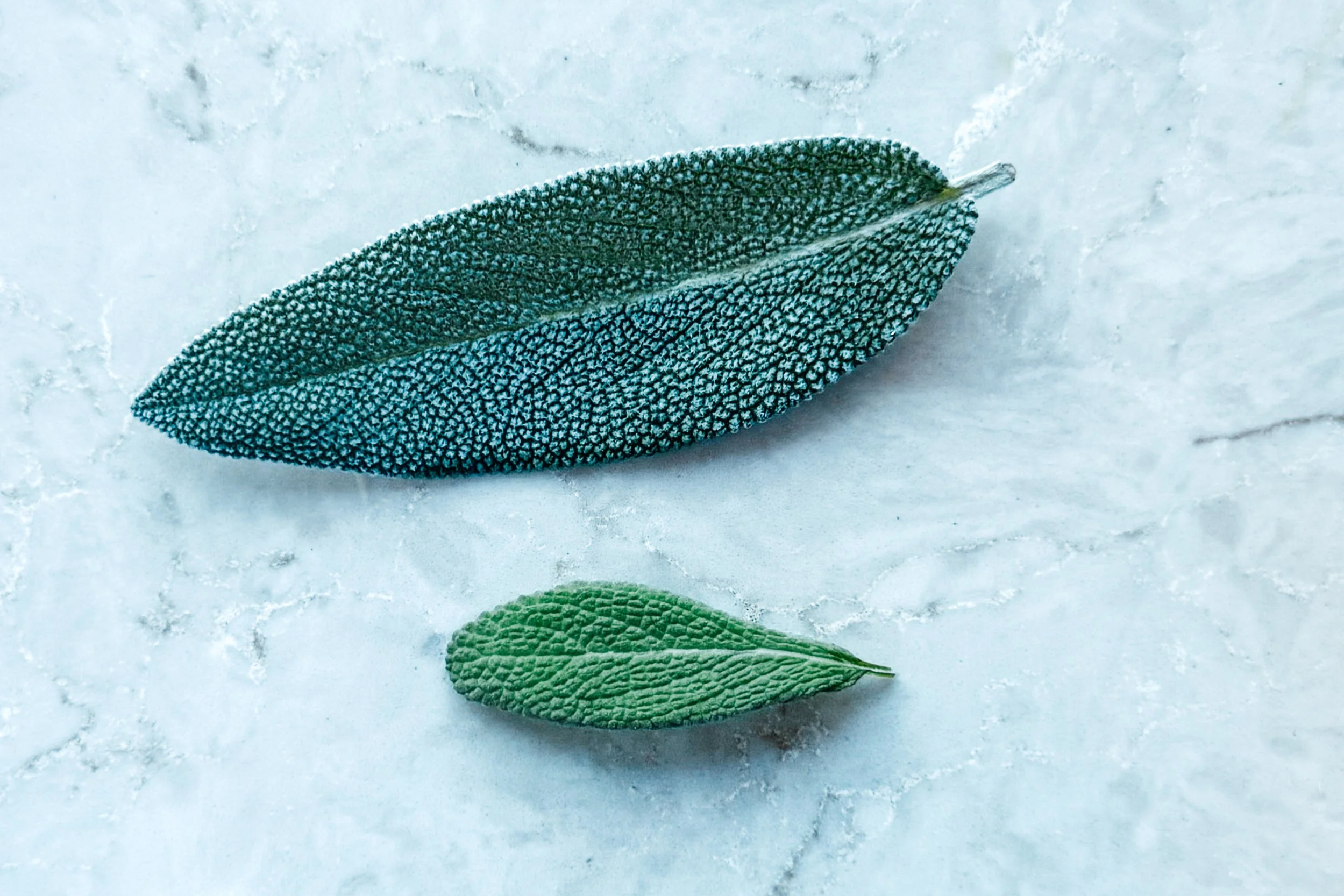
The sage from the garden had these beautiful, large leaves compared with the smaller store-bought ones.
It was such a great reminder of why I've always wanted to grow more of my own herbs.
We don't have an herb garden yet, but one day, I really look forward to having one.
There's something special about being able to step outside, pick a few herbs, and bring them straight into the kitchen.
And recipes like this make me even more excited for that day.
In the meantime, I'm grateful for friends who share what they're growing!
How to Use Fall Pesto
Anywhere you love normal pesto… plus more!
One of the best things about this recipe is how many different ways you can use it.
Because sage and rosemary pair so well with traditional holiday foods, this pesto can work with everything from appetizers to Thanksgiving leftovers.
Here are a few of my favorite ideas:
On fresh homemade bread: This might be the simplest and one of the best ways to enjoy it. Spread a little over warm bread for a savory snack or appetizer.
With roasted vegetables: Toss it with roasted carrots, potatoes, Brussels sprouts, or winter squash.
Over pasta: Add a little reserved pasta water to loosen the pesto and toss it with your favorite pasta.
With chicken or turkey: Spoon a little over roasted chicken or use it to bring new flavor to leftover Thanksgiving turkey.
On sandwiches: Try it on a turkey sandwich with good cheese and fresh bread.
With roasted winter squash: Sage, rosemary, pumpkin seeds, and squash are such a natural combination.
As a holiday appetizer: Serve it with warm bread, crackers, or alongside a cheese board.
On a pizza: Serve on top of homemade pepperoni or sauce pizza.
It also makes a wonderful addition to a simple meal when you want something that tastes a little more special without spending much extra time in the kitchen.
The Basic Pesto Formula
One thing I love about pesto is that once you understand the basic ingredients, you can create so many different versions.
Most pestos follow a similar formula:
Fresh herbs: Basil, sage, parsley, rosemary, or a combination.
Nuts or seeds: Pine nuts, walnuts, pumpkin seeds, or another favorite.
Garlic: Adds that familiar savory bite.
Cheese: Parmesan brings richness and saltiness.
Extra virgin olive oil: Brings everything together into a spreadable sauce.
Seasoning: Salt and pepper to bring out the flavors.
From there, it's really about experimenting with different combinations and finding what you like.
And for this version, I think sage, rosemary, and pumpkin seeds are a pretty perfect fall combination.
Tips for the Best Homemade Fall Pesto
Start with less sage if you're unsure. Sage is much stronger than basil. If you're new to sage pesto, start with about 2 cups and adjust to your taste.
Use fresh herbs. Fresh sage and rosemary give this pesto its best texture and flavor. Dried herbs aren't a direct substitute in this recipe.
Remove the woody stems. Especially with rosemary, you want to use the fragrant needles, not the tough stems.
Add the olive oil gradually. Start with less and work your way up until you reach the consistency you like.
Don't overblend. A little texture is part of what makes pesto so good.
Taste before adding too much salt. Parmesan already brings some saltiness, so season gradually.
Try toasted pumpkin seeds. Toasting them adds another layer of nutty flavor if you have a few extra minutes.
Frequently Asked Questions
Does Sage Pesto Taste Like Regular Basil Pesto?
Not exactly!
It has the same rich, garlicky, cheesy character you'd expect from traditional pesto, but the herbs give it a different flavor.
Sage is much more earthy and savory than basil, while rosemary adds another layer of aromatic flavor.
It's a great option when you want something that feels more seasonal for fall and winter cooking.
Can I Use Other Herbs?
Absolutely!
You can add parsley, thyme, or even a little basil if that's what you have on hand.
The idea is to use fresh herbs you enjoy and experiment with combinations.
Just remember that stronger herbs like rosemary and sage can easily overpower milder ones, so start with smaller amounts and adjust from there.
Can I Use Walnuts or Pine Nuts Instead?
Yes!
Pumpkin seeds are what make this version a little different, but traditional pine nuts or walnuts will also work.
Do I Have to Toast the Pumpkin Seeds?
No. You can use raw, unsalted pumpkin seeds.
Toasting is optional and adds a slightly deeper, nuttier flavor.
How Long Does Homemade Pesto Last?
Because this pesto contains fresh herbs, garlic, and olive oil, it needs to be refrigerated promptly.
Store it in a clean, airtight container in the refrigerator and use it within 4 days.
For longer storage, freeze it in small portions, such as an ice cube tray, so you can pull out just what you need.
Don't store homemade garlic-and-herb pesto at room temperature.
Can I Make This Ahead for Thanksgiving?
Absolutely!
This is a great recipe to prepare a day or two before your holiday gathering.
Keep it refrigerated until you're ready to serve, and give it a quick stir if the olive oil separates.
A New Twist on a Classic Favorite
I think this might be one of my favorite ways to bring traditional fall herbs into something a little unexpected.
We're taking the basic idea of pesto and giving it a completely different seasonal flavor with sage, rosemary, and pumpkin seeds.
It's savory, aromatic, and goes with so many of the foods we already love making around the holidays.
And honestly, even just spreading it over a fresh piece of homemade bread is delicious.
This recipe also reminded me how much I look forward to growing my own herbs someday. There's something so wonderful about cooking with ingredients that came straight from a garden.
Whether you're using herbs from your own backyard, sharing some from a friend's garden, or picking them up at the grocery store, I hope this inspires you to try something a little different with them.
Cheers to your holiday season, and happy cooking!
Cook With Real Food | Back to Source Living