

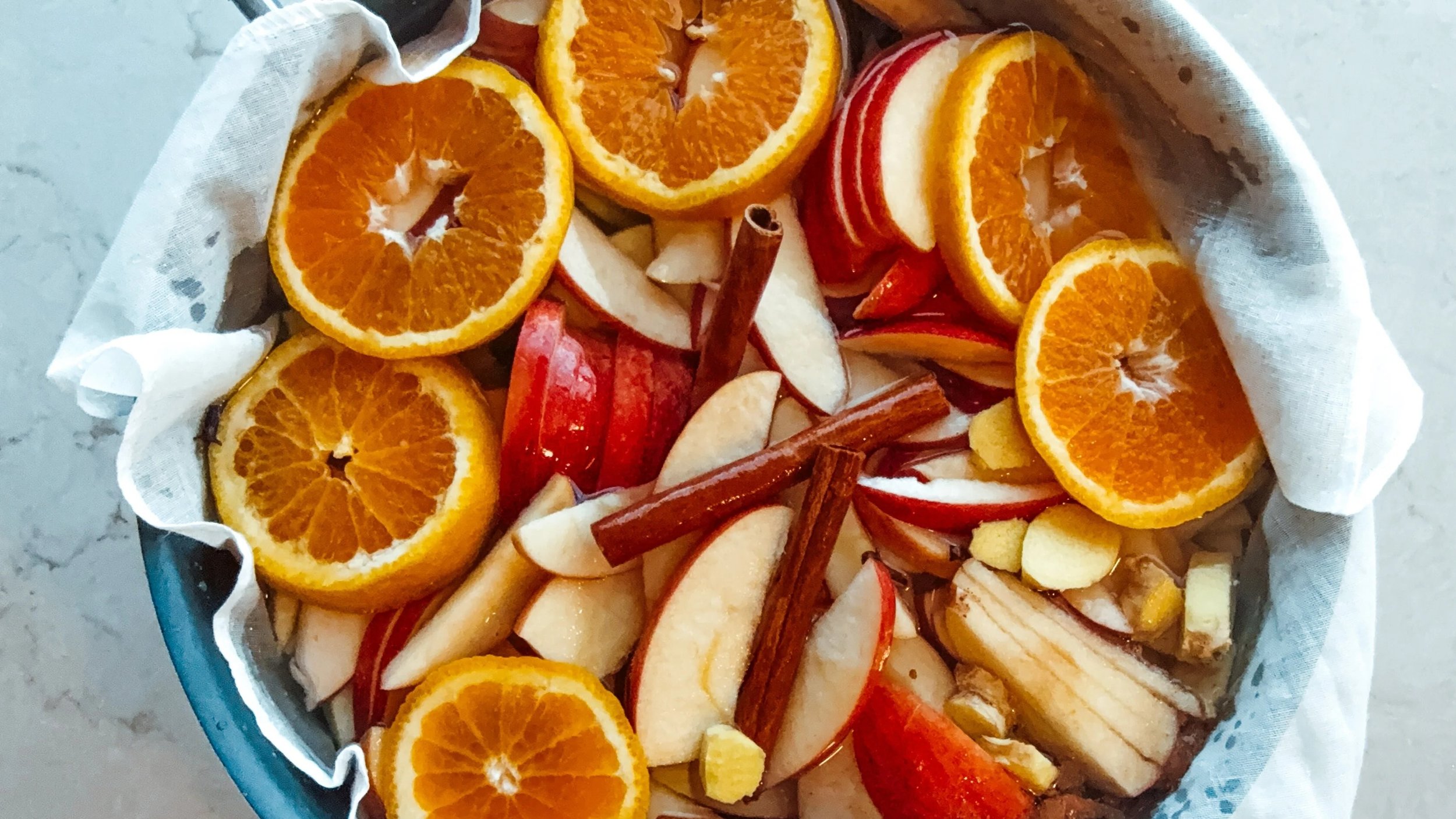
There is nothing quite like a pot of homemade apple cider simmering on the stove during the holiday season. The apples, orange, ginger, cinnamon, and cloves fill the entire house with the warmest fall smell, and the finished cider tastes so much better than anything you can buy from the store in a plastic jug.
This homemade apple cider recipe starts with whole, organic fruit and simple spices. There are no artificial flavors, preservatives, or unnecessary ingredients—just real food slowly simmered into a naturally sweet and comforting drink.
You came for the recipe, so I won’t make you scroll for it. Here is everything you need to start cooking.
Homemade Organic Apple Cider Recipe
Prep time: 15 minutes
Cook time: 3 hours
Yield: 10–12 cups
Ingredients
9 organic apples, using a mixture of sweet and tart varieties
1 organic pear
1 organic orange
2–3 inches fresh ginger
3 cinnamon sticks
6–8 whole cloves
10–12 cups purified water, or enough to cover the fruit
Raw honey, pure maple syrup, or your family’s preferred sweetener, optional and to taste
For the best results, wait until the cider has finished cooking before adding sweetener. The natural sweetness will become more concentrated as the fruit simmers.
Visual learner? Watch the steps!
See how this homemade organic apple cider comes together from whole fruit and warming spices.
Instructions
To make this truly organic, source organic versions of all the ingredients in the list above. If you cannot find everything organic, still enjoy it! Just make sure to wash your fruit well before using it.
Wash the apples, pear, orange, and ginger thoroughly.
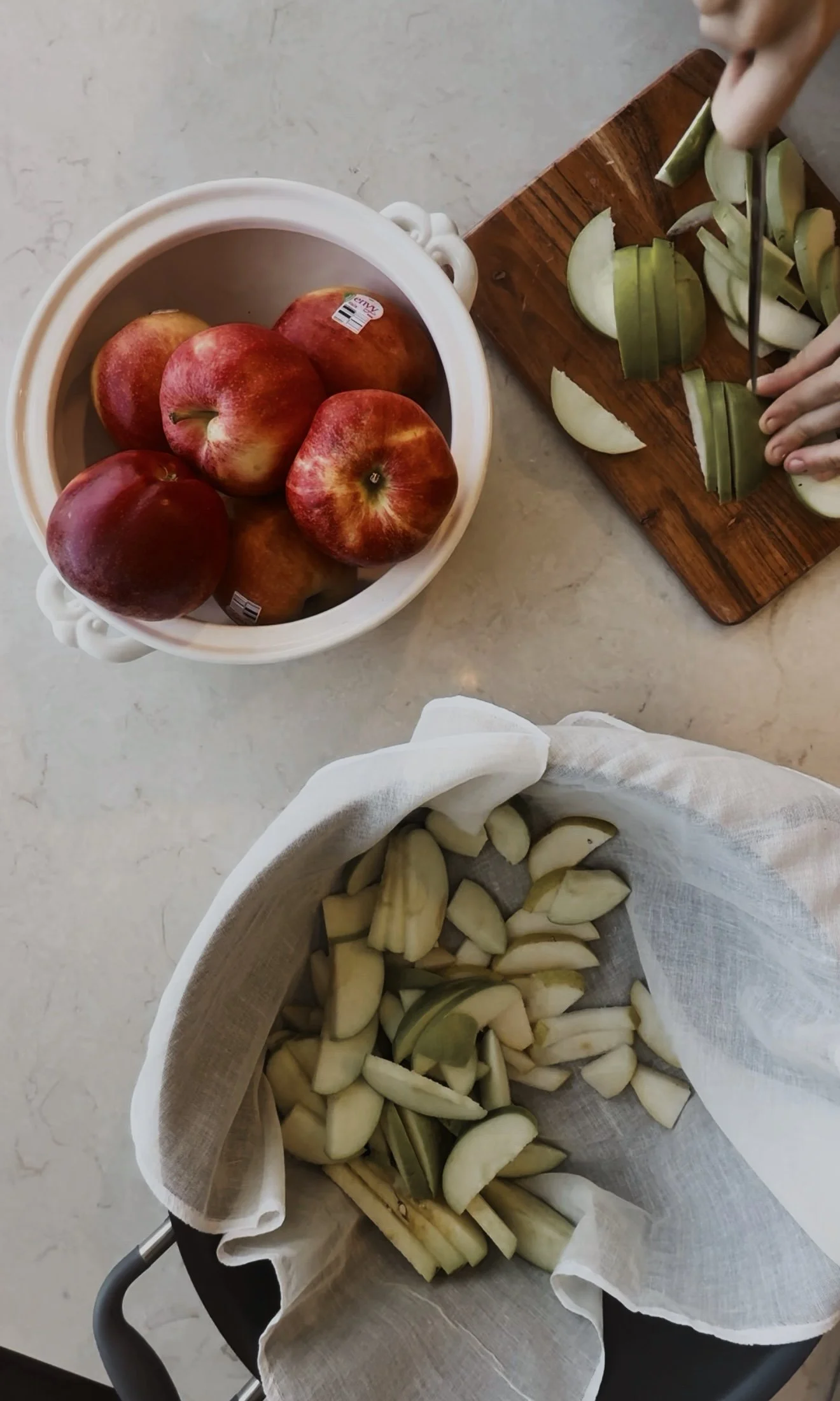
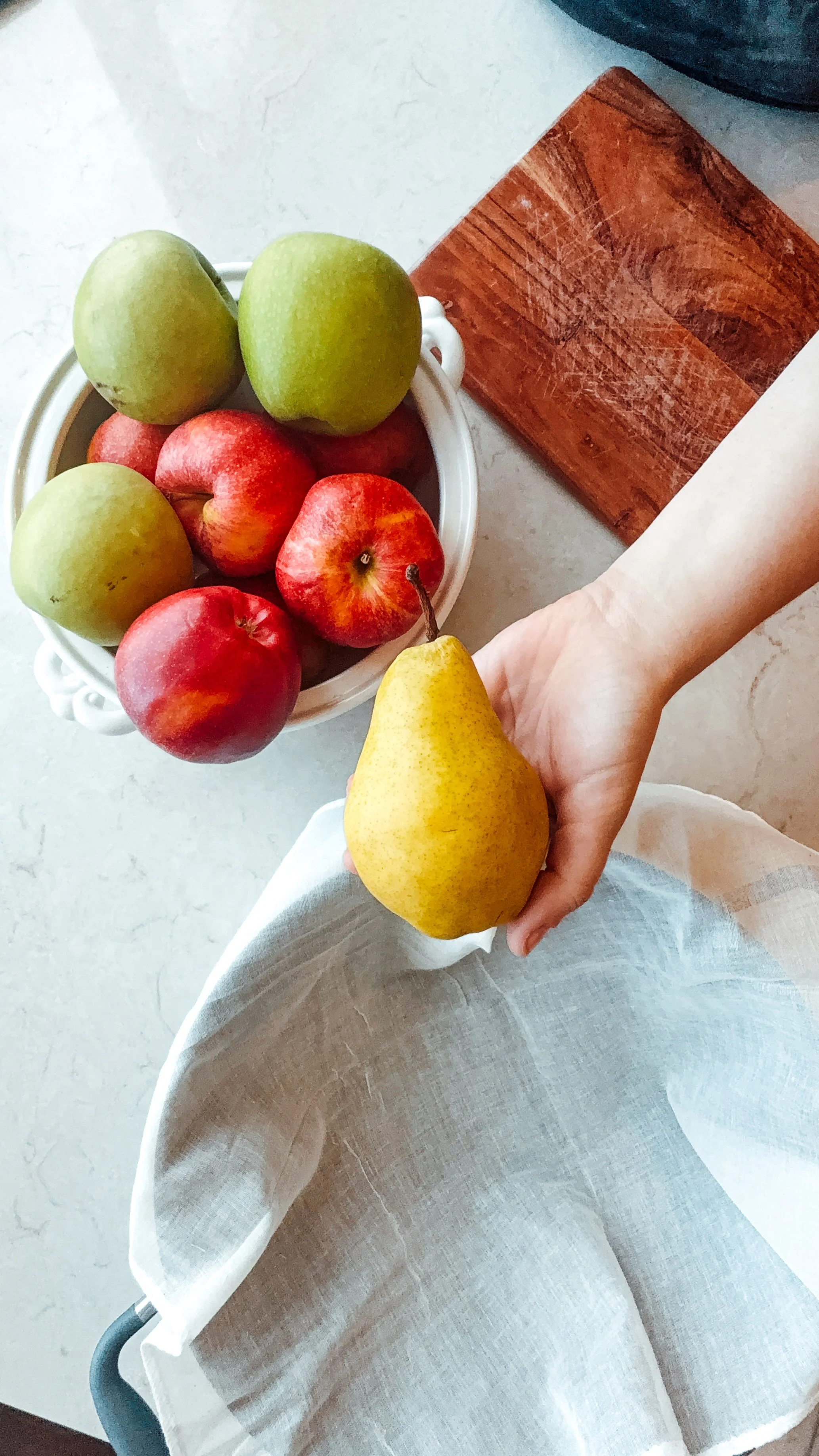
Core and roughly slice the apples and pear. There is no need to peel them.
Slice the orange into quarters. Peel and slice the ginger. (Smash it a little to release more flavor)
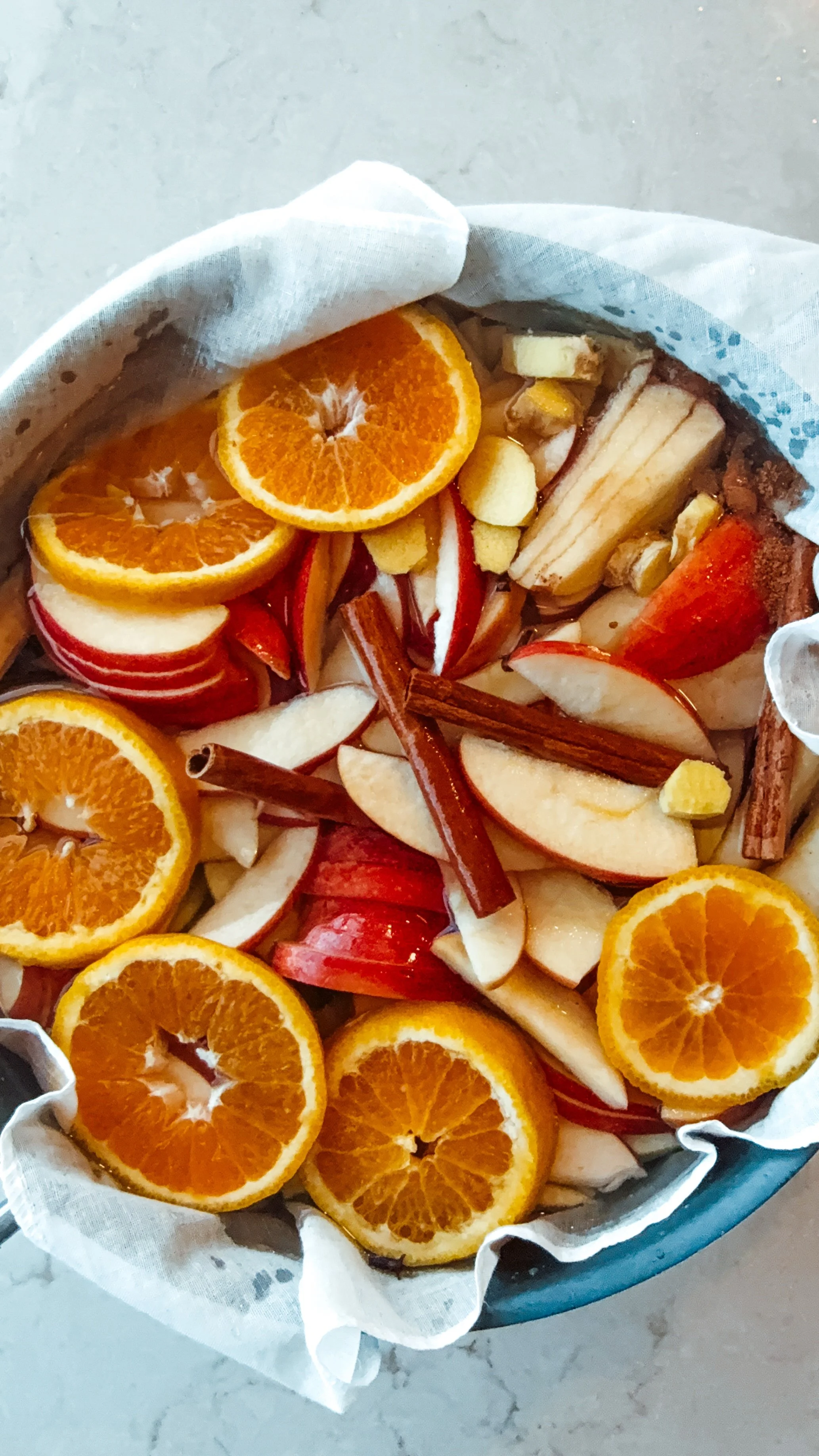
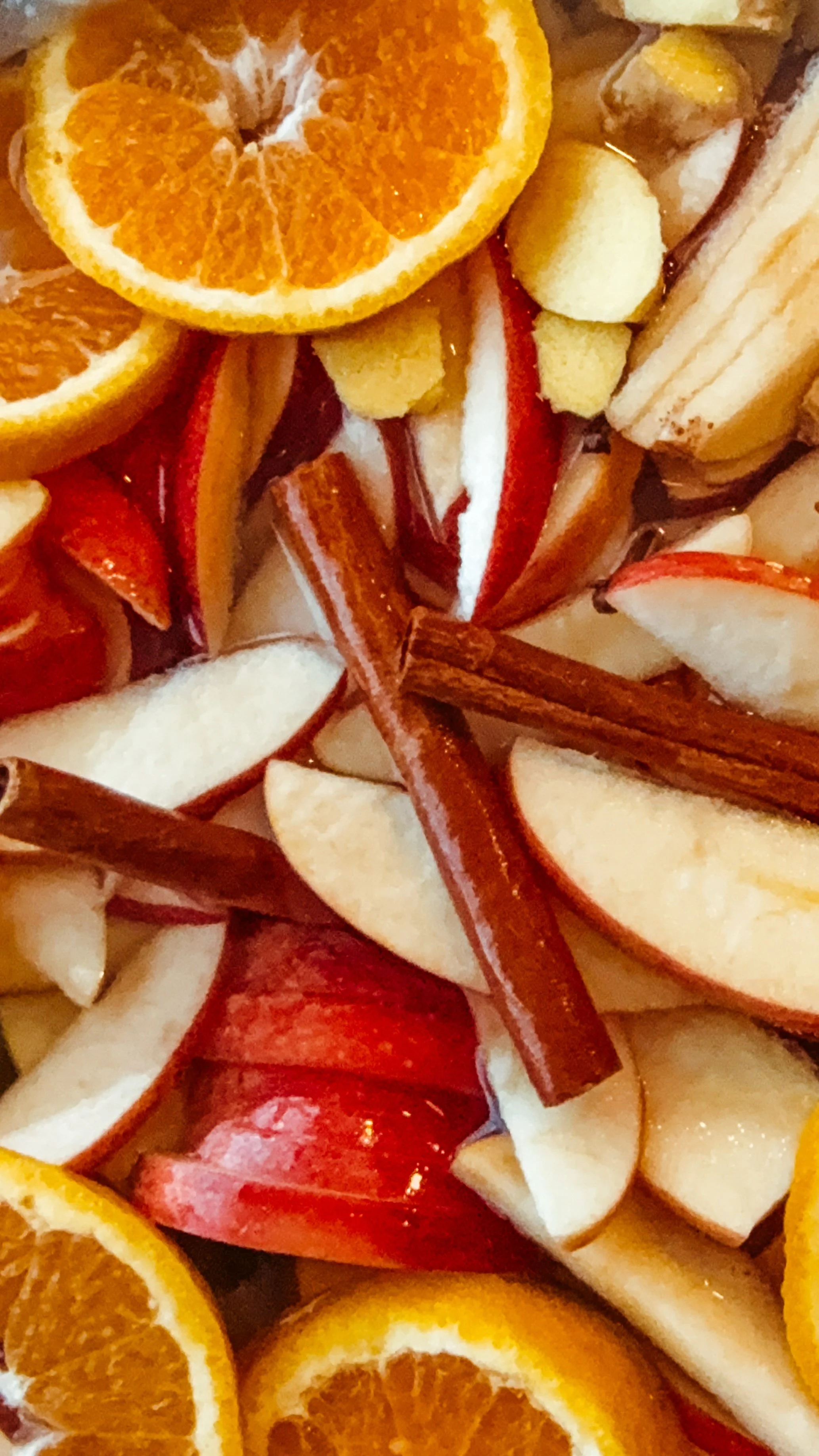
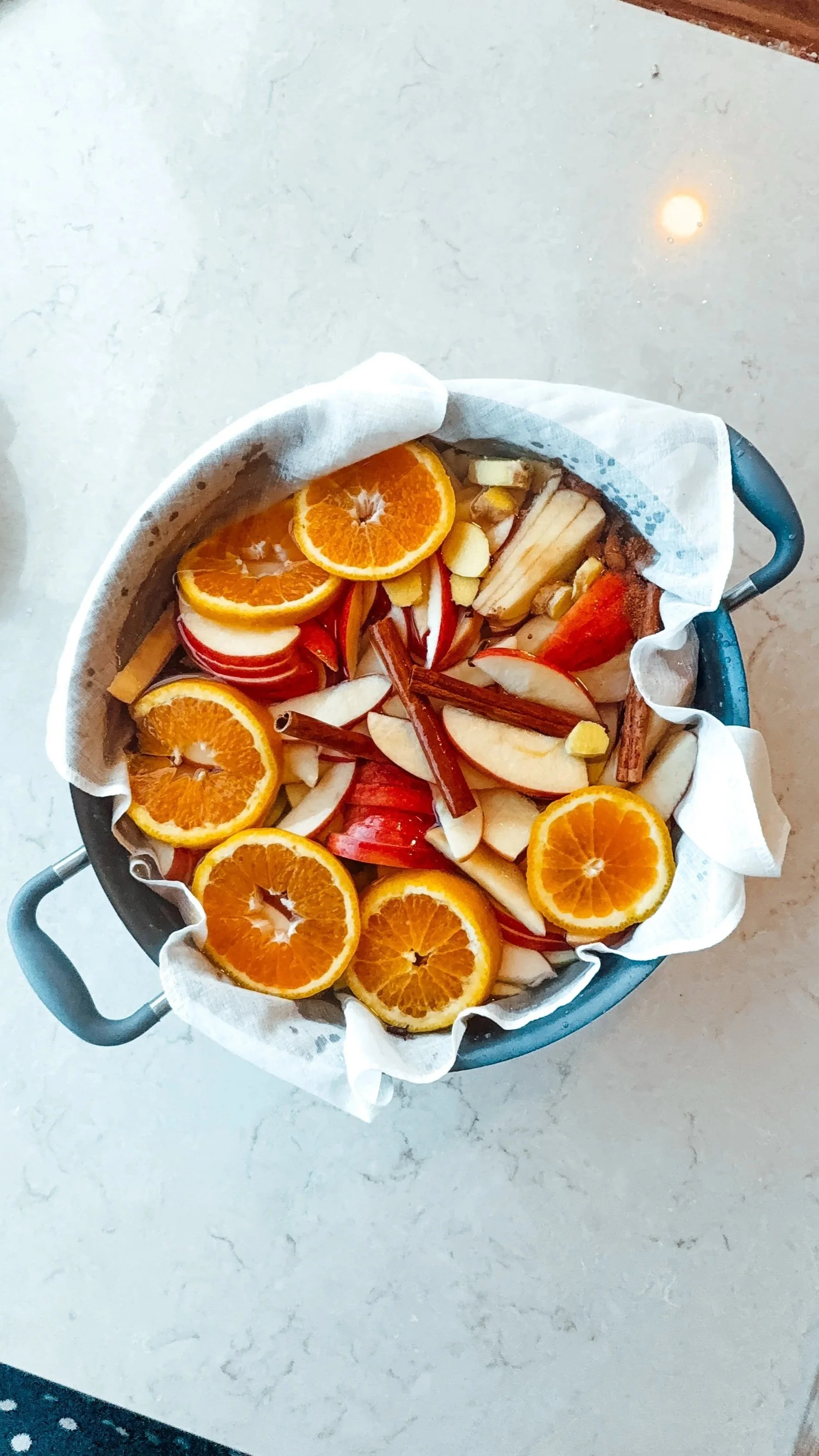
Place the apples, pear, orange, ginger, cinnamon sticks, and cloves into a large stockpot.
Cover the fruit with purified water. The amount needed will depend on the size of your pot, but the fruit should be completely covered.
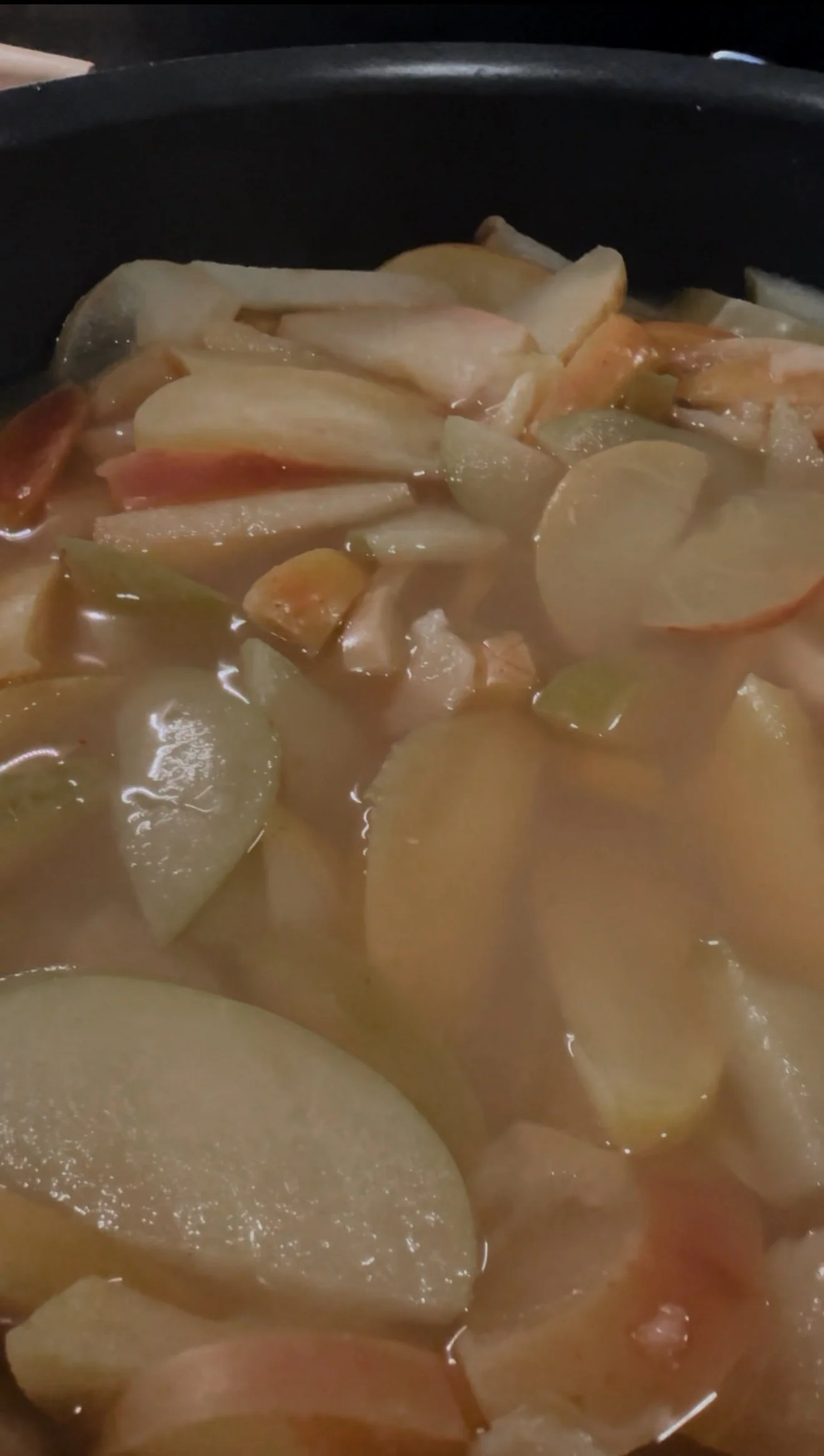
Bring the water to a gentle boil. (Not a rolling boil) Reduce the heat, partially cover the pot, and allow the cider to simmer for three hours.
Optional: During the final 30 minutes, gently mash the softened fruit with a potato masher or the back of a wooden spoon. This will help release even more flavor.
Carefully strain the cider through a fine-mesh strainer. Press the fruit gently to extract the remaining liquid.
Taste the cider and add honey, maple syrup, or any sweetener your family prefers if you would like it sweeter.
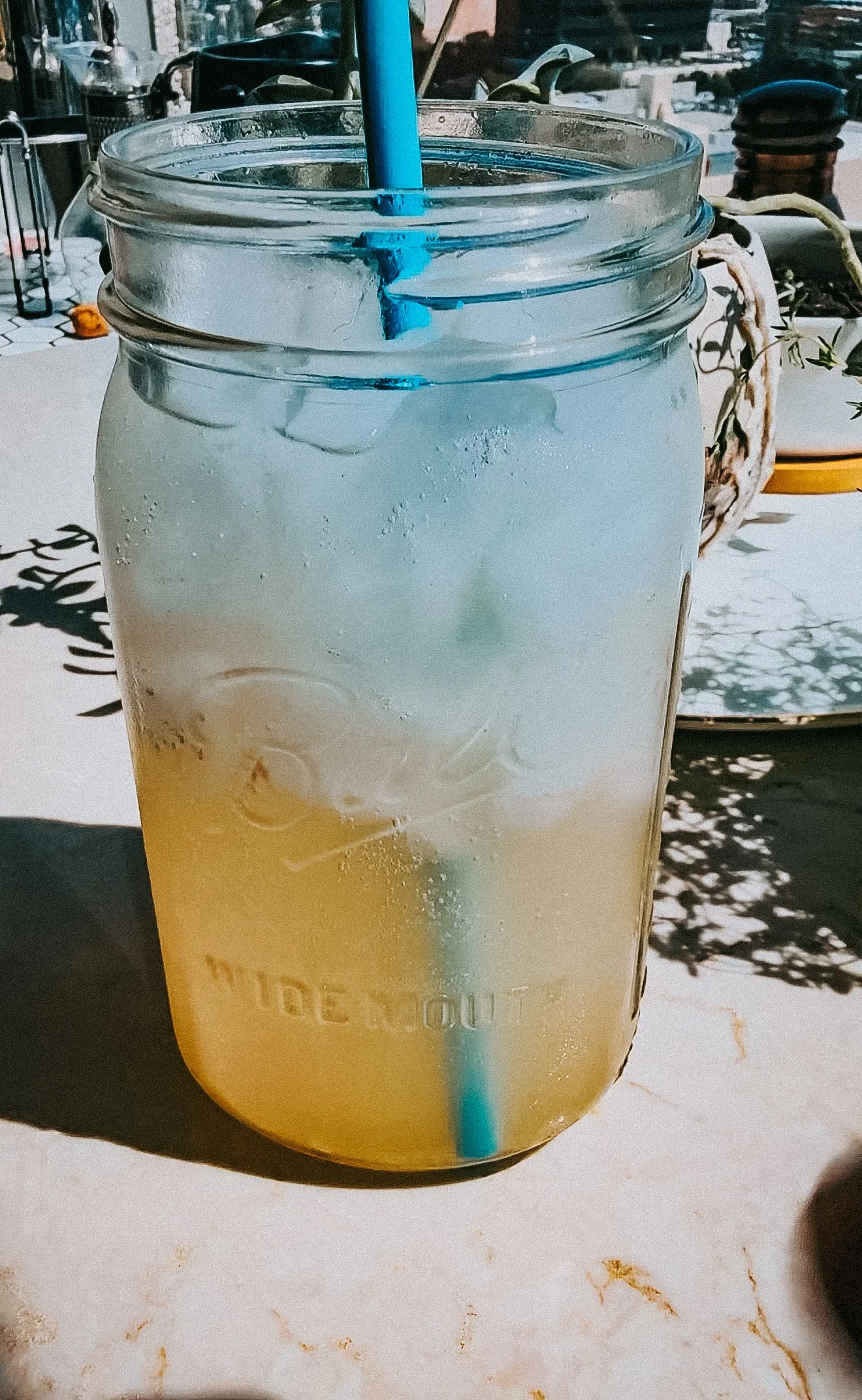
Serve the cider warm, allow it to cool and refrigerate it for later, or pour it over ice with a splash of sparkling water.

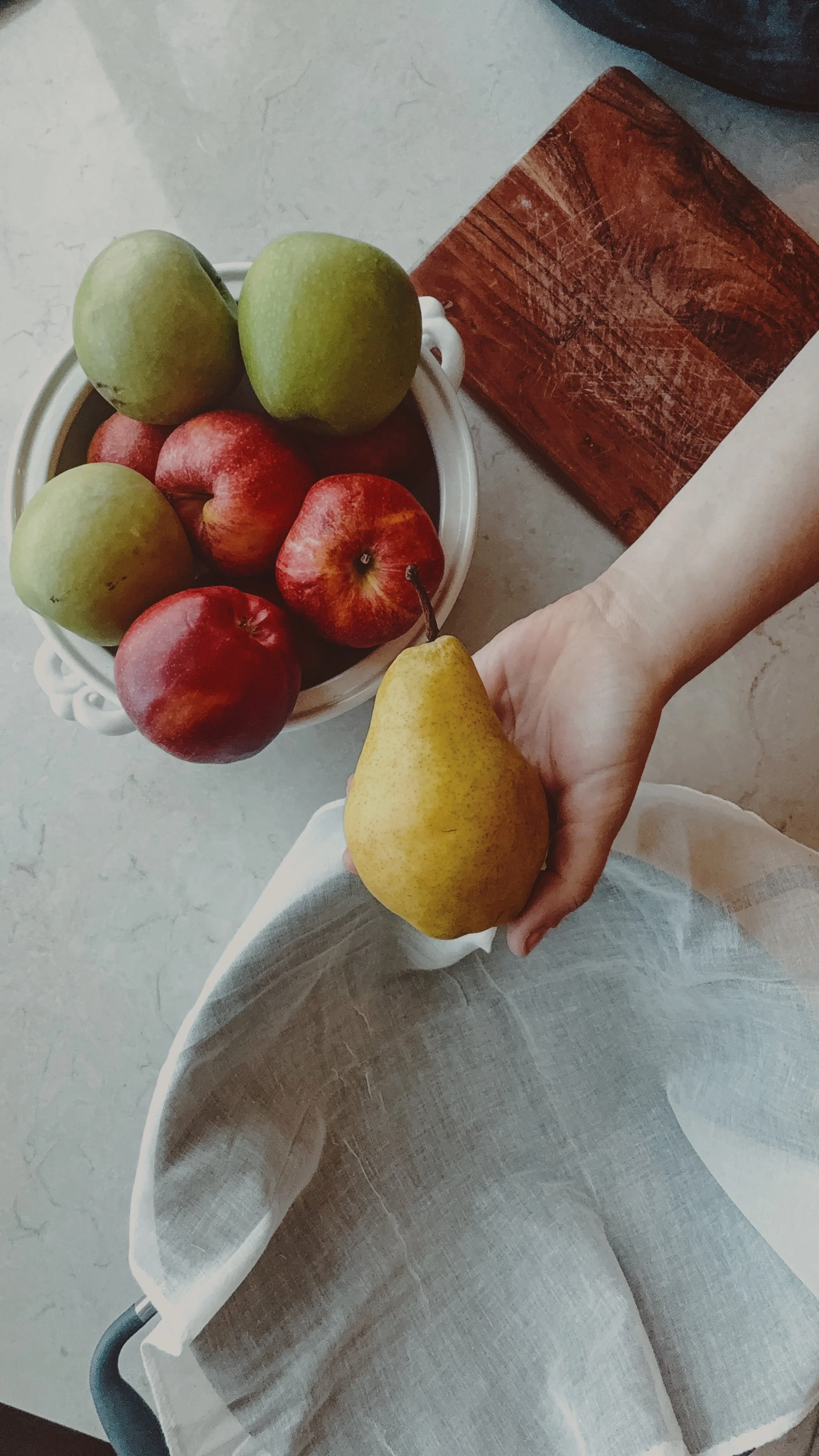

Choosing the Best Apples for Homemade Cider
The best homemade cider uses a mixture of sweet and tart apples. Combining different varieties creates a deeper, more balanced flavor than using only one kind.
Try combining sweet apples such as Honeycrisp, Gala, Fuji, or Golden Delicious with tart varieties such as Granny Smith, Pink Lady, or Braeburn. You do not need nine different varieties. Simply use a good mixture of whatever is fresh and available.
Rather than dividing apples into “true” and “modified” apples, it is more accurate to look at how each variety—or cultivar—first developed. Some varieties were created through traditional crossbreeding, while others began as chance seedlings that grew naturally and were later cultivated.
Traditional crossbreeding and chance seedlings are not the same as genetic engineering. Separately branded versions of an apple may have their own production history, so check the label if that distinction is important to your family.
Cook With Real Food · Apple Guide
Build a Better Apple Cider
Mix sweet and tart apples to create a cider with natural sweetness, brightness, and a deeper apple flavor.
| Apple | Color and flavor | How it arose | What it adds to cider |
|---|---|---|---|
| Honeycrisp | Color and flavor Mottled red and yellow · juicy · crisp · sweet-tart | How it arose Traditional cross | What it adds Plenty of juice with a balanced sweetness and gentle acidity. |
| Gala | Color and flavor Red and yellow striped · crisp · juicy · very sweet | How it arose Traditional cross | What it adds Natural sweetness and a mild, familiar apple flavor. |
| Fuji | Color and flavor Red and yellow striped · firm · crisp · very sweet | How it arose Traditional cross | What it adds Full sweetness and body without needing much added sweetener. |
| Golden Delicious | Color and flavor Golden yellow · mild · honeyed · gently aromatic | How it arose Chance seedling | What it adds Mellow sweetness that pairs well with sharper, tart apples. |
| Granny Smith | Color and flavor Bright green · crisp · acidic · distinctly tart | How it arose Chance seedling | What it adds Brightness and acidity that keep the cider from tasting flat. |
| Pink Lady | Color and flavor Pink-red and yellow · firm · crisp · sweet-tart | How it arose Traditional cross | What it adds Lively acidity with enough sweetness to keep the cider balanced. |
| Braeburn | Color and flavor Red, yellow, and green · aromatic · complex · sweet-tart | How it arose Chance seedling | What it adds A spiced, complex flavor when blended with sweeter, juicier apples. |
The pear adds another layer of natural sweetness, while the orange brightens the cider and balances the warm spices.
Why Make Apple Cider From Whole Fruit?
Many bottled apple ciders begin with concentrated juice and may contain added sweeteners, flavors, or preservatives. Making cider at home gives you complete control over what goes into it.
Using whole apples, pear, orange, ginger, and spices creates a cider filled with naturally occurring plant compounds and flavor. Apples are a source of polyphenols, while ginger, cinnamon, and cloves have long been used in traditional cooking for their warming and digestive qualities.
Because the fruit solids are strained out, the finished cider will not contain the same amount of fiber as eating the whole fruit. However, it is still a flavorful way to enjoy real ingredients, natural hydration, and a drink made without bottled concentrates.
There are so many benefits to cooking with real food—and sometimes those benefits are as simple as knowing exactly what is in your cup.
Ways to Serve Homemade Apple Cider
Traditional apple cider is wonderful served warm with a cinnamon stick and a fresh orange slice. You can also enjoy it in several other ways:
Serve it cold over ice.
Add a splash of sparkling water for a refreshing holiday drink.
Use it as the base for a seasonal mocktail.
Reheat it gently with additional cinnamon and orange slices.
Freeze some to enjoy after the holiday season.
Reduce it on the stove to create a concentrated apple-cider syrup.
For a cold version, fill a glass with ice, add the cider, and finish it with sparkling water. It is light, crisp, and surprisingly delicious.
Storage and Freezing
Allow the cider to cool completely before transferring it to glass bottles or airtight containers.
Store it in the refrigerator for five to seven days. Shake or stir it before serving, as some natural sediment may settle at the bottom.
The cider can also be frozen for up to three months. Leave some empty space at the top of the container because the liquid will expand as it freezes. Thaw it overnight in the refrigerator before reheating or serving it cold.
Recipe Notes
Whole spices work better than ground spices because they are easier to strain from the finished cider, but use what you have! If you use ground spices, mix the cider well and shake it before serving if it has been stored in a jar or bottle.
If you are concerned about bitterness from the orange peel, peel the orange before adding it or remove the orange after the first 60–90 minutes. I leave it in for the entire cooking time and do not mind the taste!
Start without added sweetener. Depending on the apples you use, the cider may already be sweet enough.
Keep the cider at a gentle simmer rather than a rapid boil.
The longer the cider simmers, the deeper and more concentrated the flavor will become.
For the best flavor, choose organic fruit when possible and use purified, fluoride-free water if preferred.
This homemade organic apple cider is simple, cozy, and perfect for fall gatherings, Thanksgiving, Christmas, or a quiet evening at home. Your house will smell absolutely incredible while it cooks, and you will have a real-food holiday drink that can be enjoyed warm or cold.
I hope you enjoy it and have an amazing holiday season!