

A Little English Muffin Humor
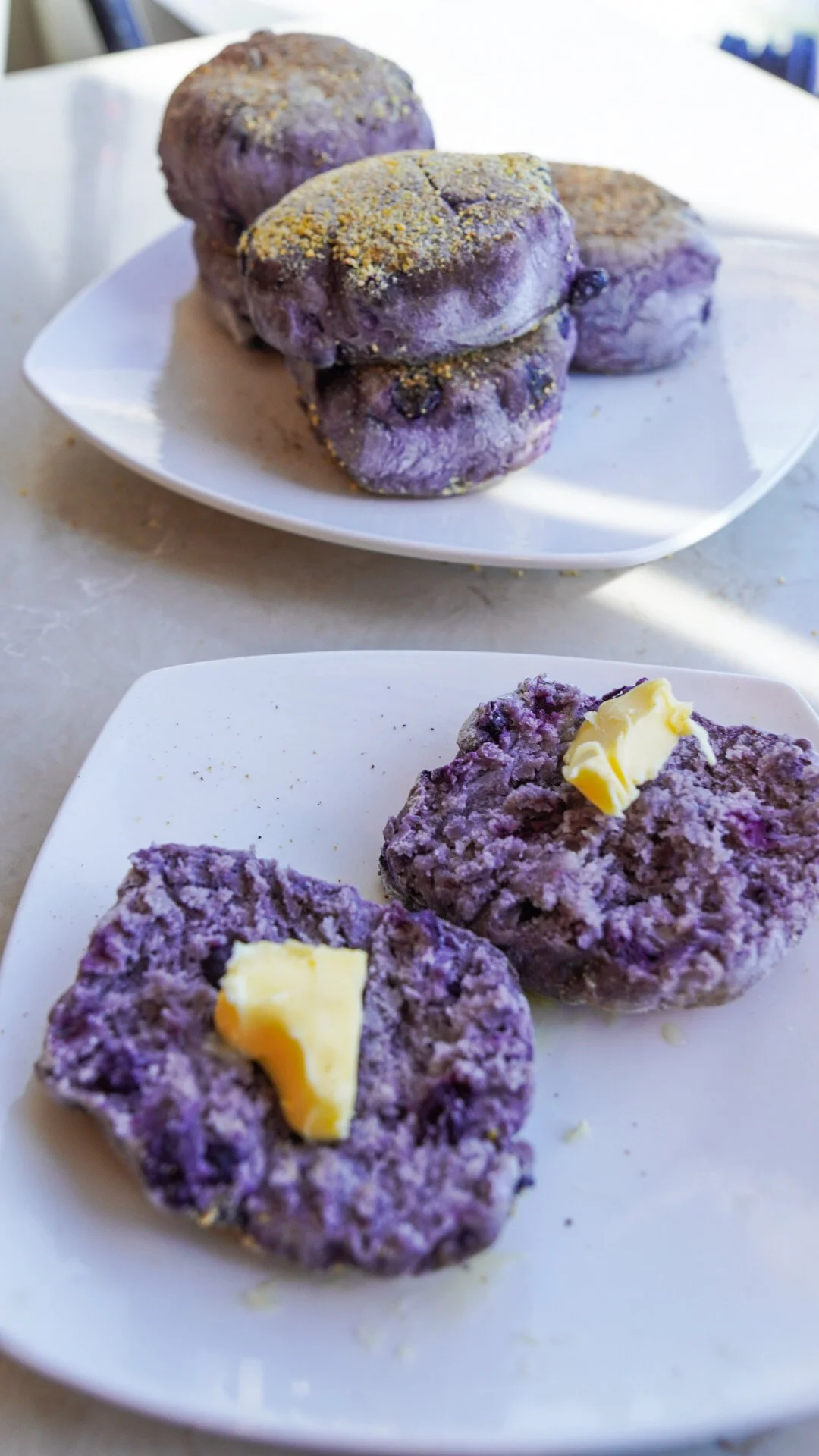
These homemade blueberry English muffins are so good and surprisingly easy to make that you will feel like a professional baker!
This recipe was especially fun because I spent half the process cooking up English muffin puns. My husband is from England, he is my muffin and my honey, and these English muffins are made with honey.
It is starting to sound a little like Dr. Seuss, but I couldn’t resist. 😂
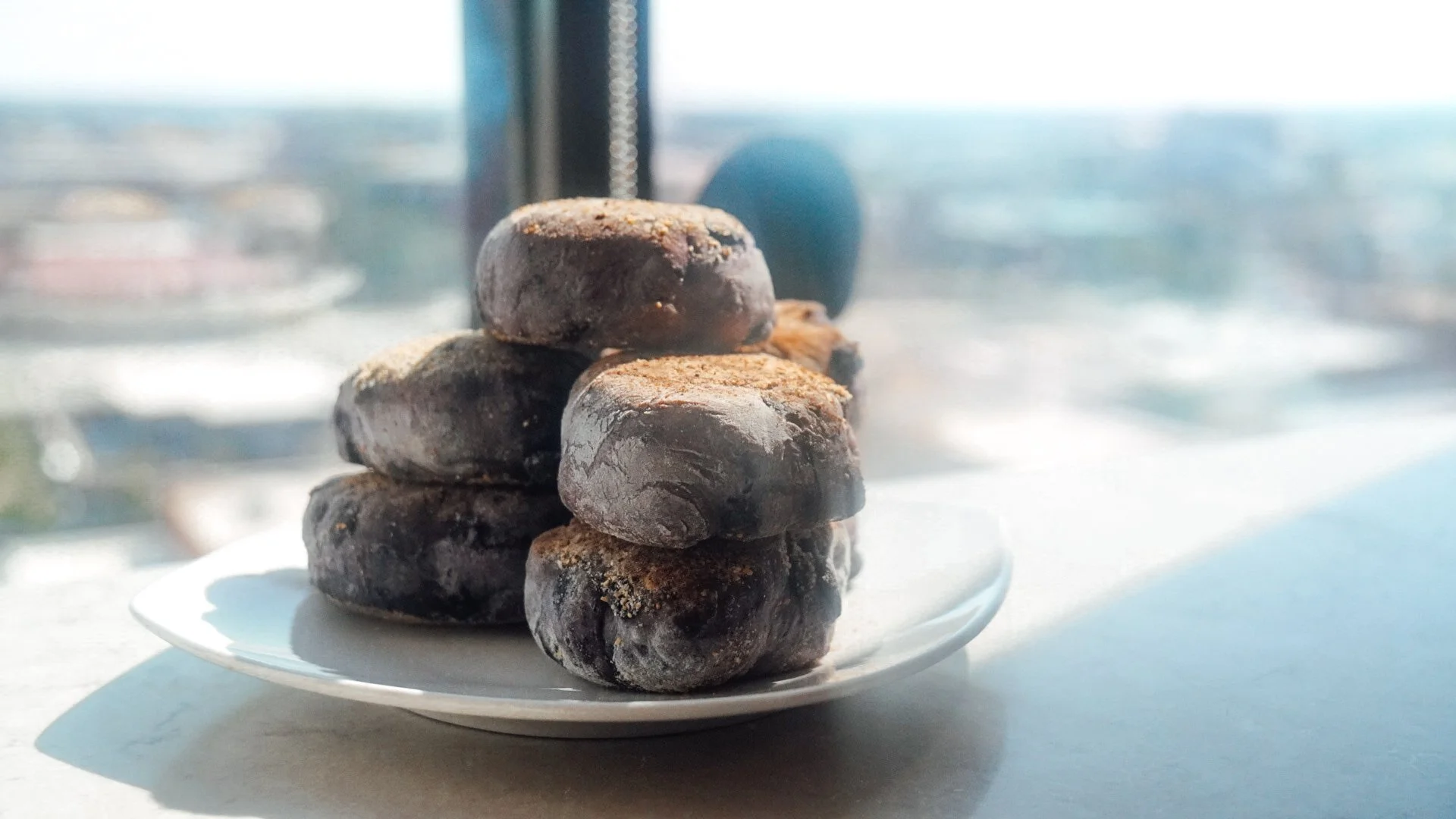
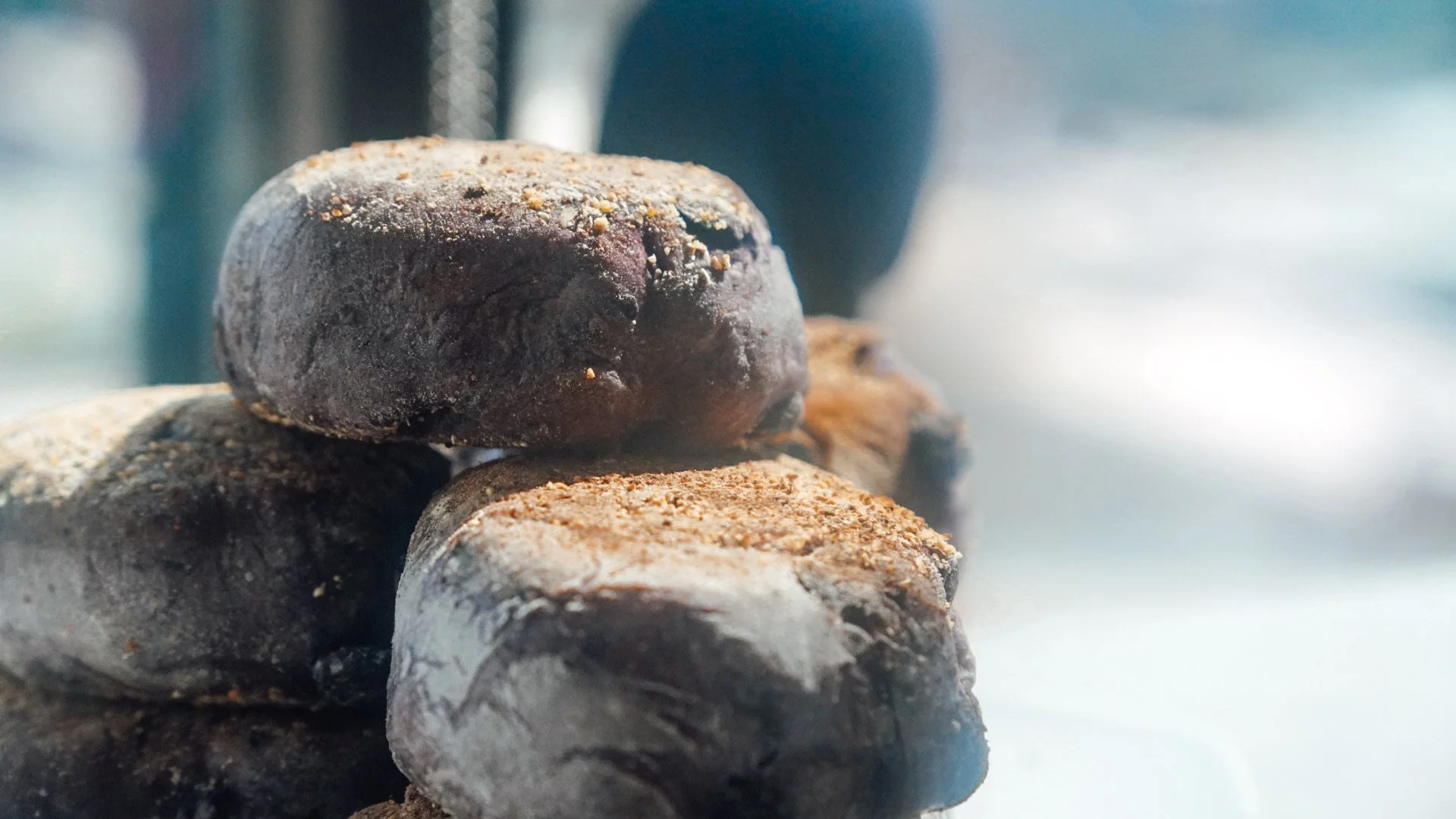
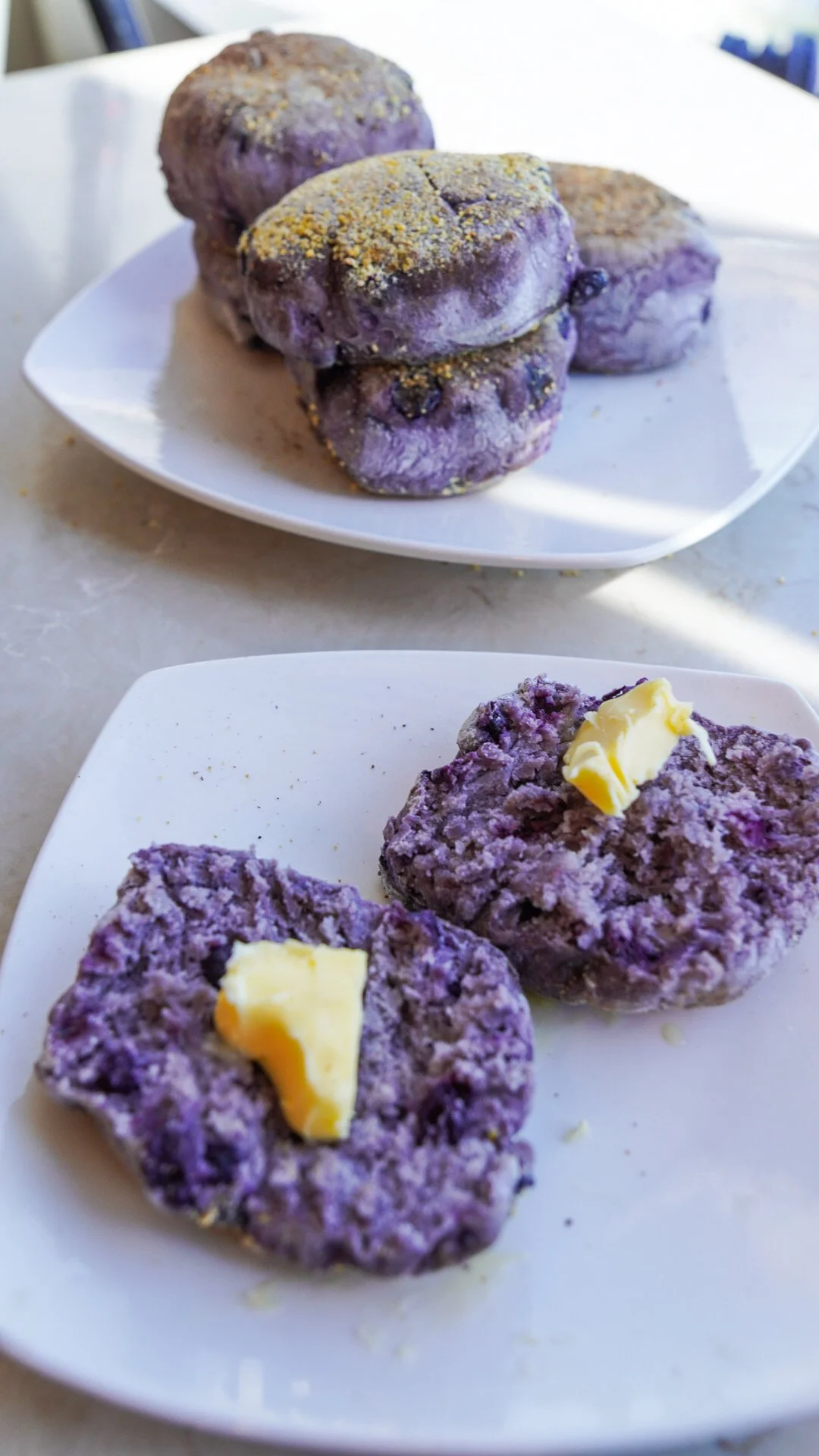
These homemade English muffins are filled with real blueberries and lightly sweetened with raw honey. The outside is golden and dusted with cornmeal, while the inside is soft, fruity, and perfect for toasting.
They are made on the stovetop first to create that classic English muffin crust, then finished in the oven so the centers cook through without the outside becoming too dark.
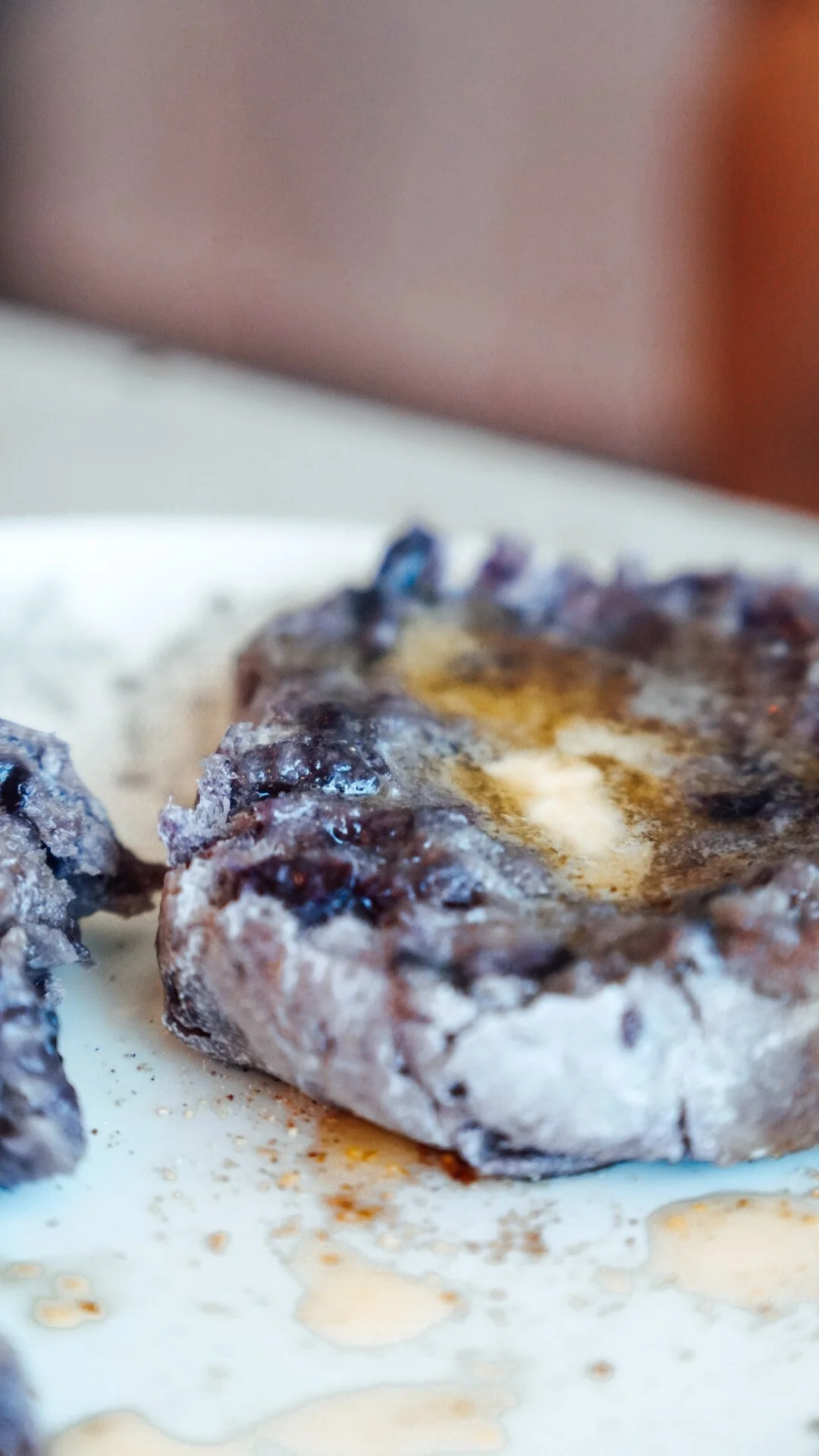
Slice one open, toast it, and add grass-fed butter, raw honey, or your favorite real-food topping.
You came for the recipe, so I won’t make you scroll for it. Here is everything you need to start cooking.
Homemade Blueberry English Muffins Recipe
Prep time: 25 minutes
Rise time: 1 hour 30 minutes
Cook time: 20 minutes
Yield: 8 English muffins
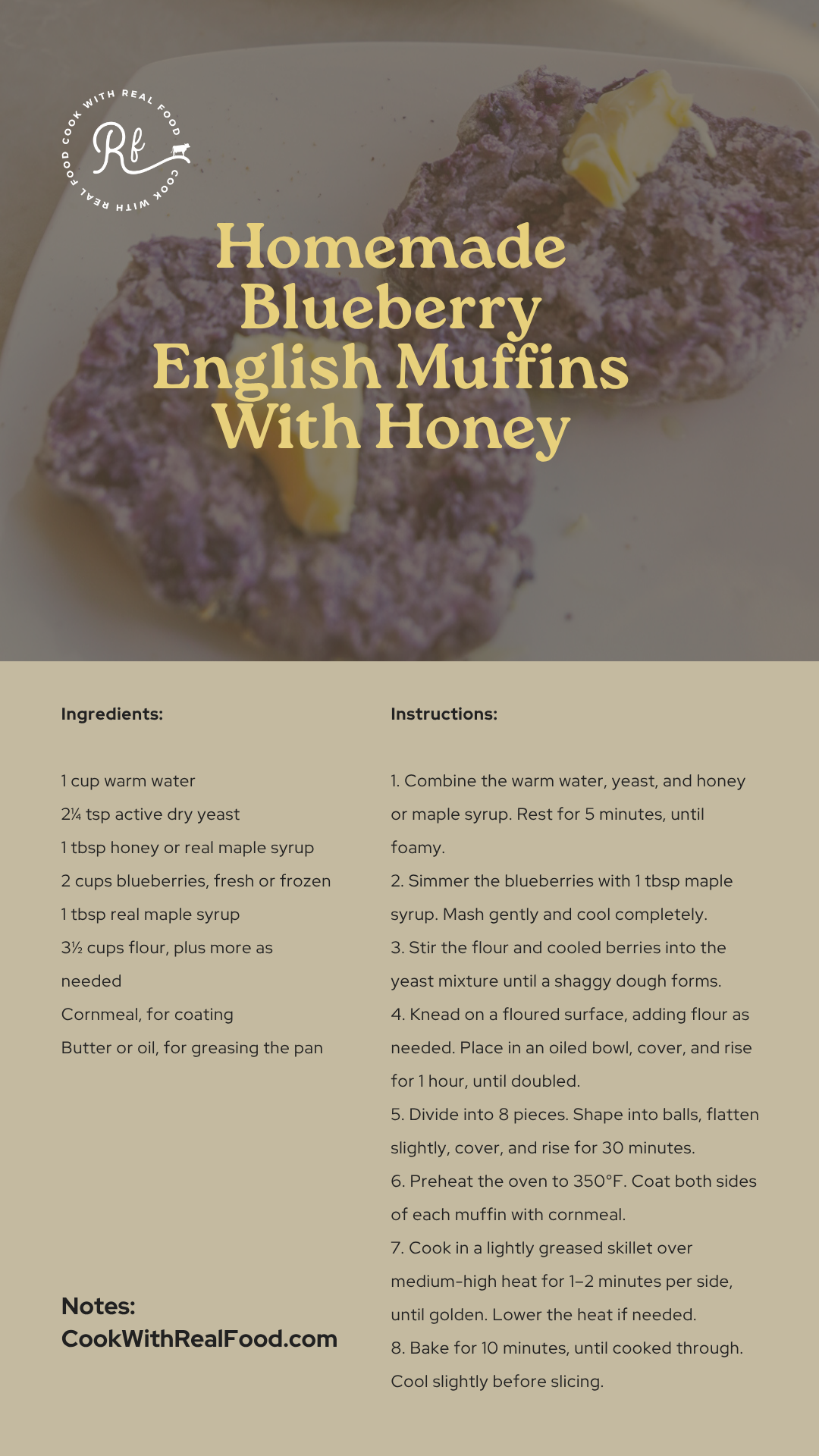
Ingredients
For the yeast mixture
1 cup warm water
2¼ teaspoons active dry yeast
1 tablespoon raw honey
For the blueberries
2 cups organic blueberries, fresh or frozen
1 tablespoon raw honey
For the dough
3½ cups organic all-purpose flour or bread flour, plus more as needed
Cornmeal for coating
Butter, ghee, or olive oil for greasing the skillet
Visual learner?
Watch how I make these homemade blueberry English muffins, step by step!
Instructions
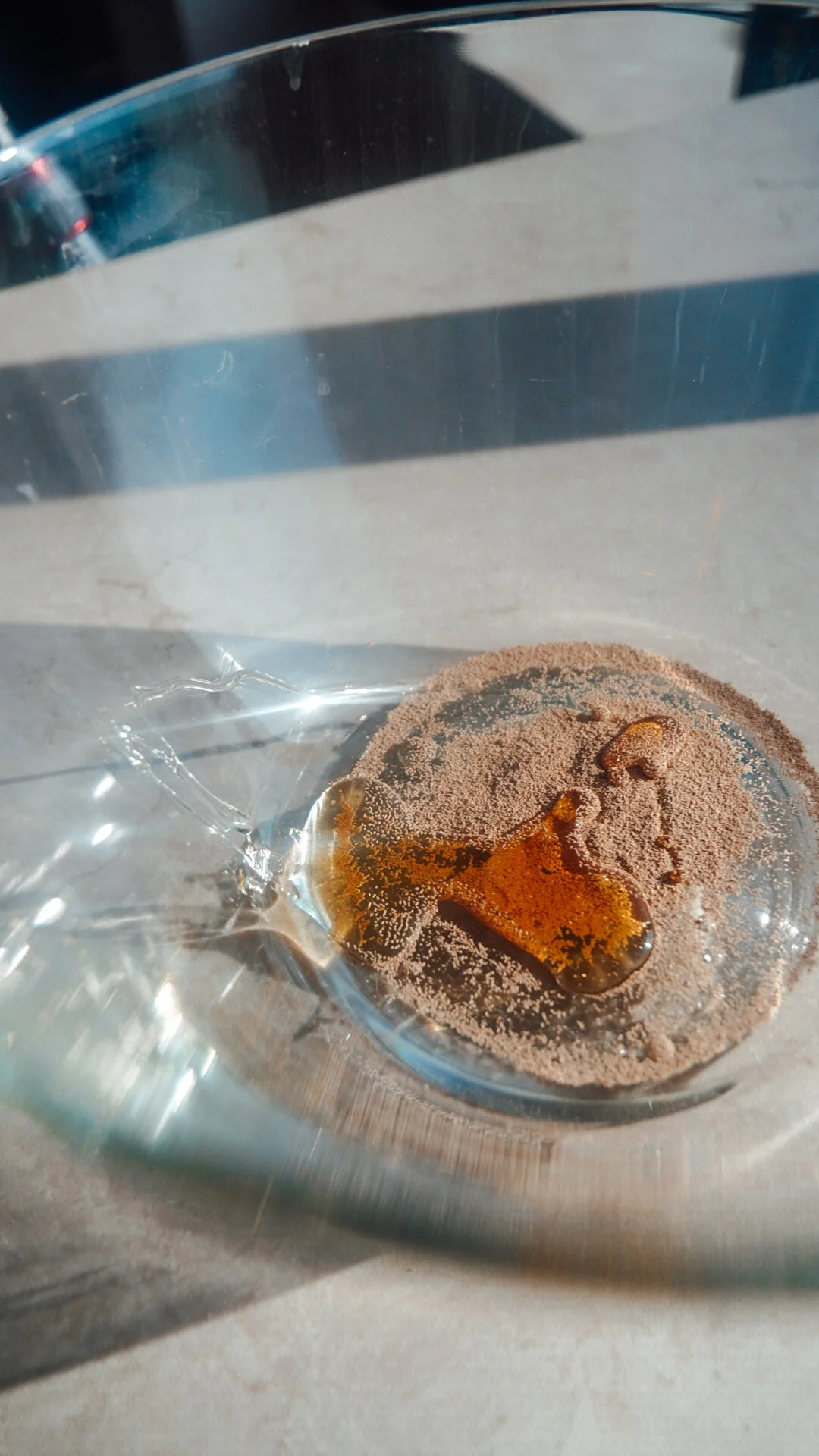
Proof the yeast.
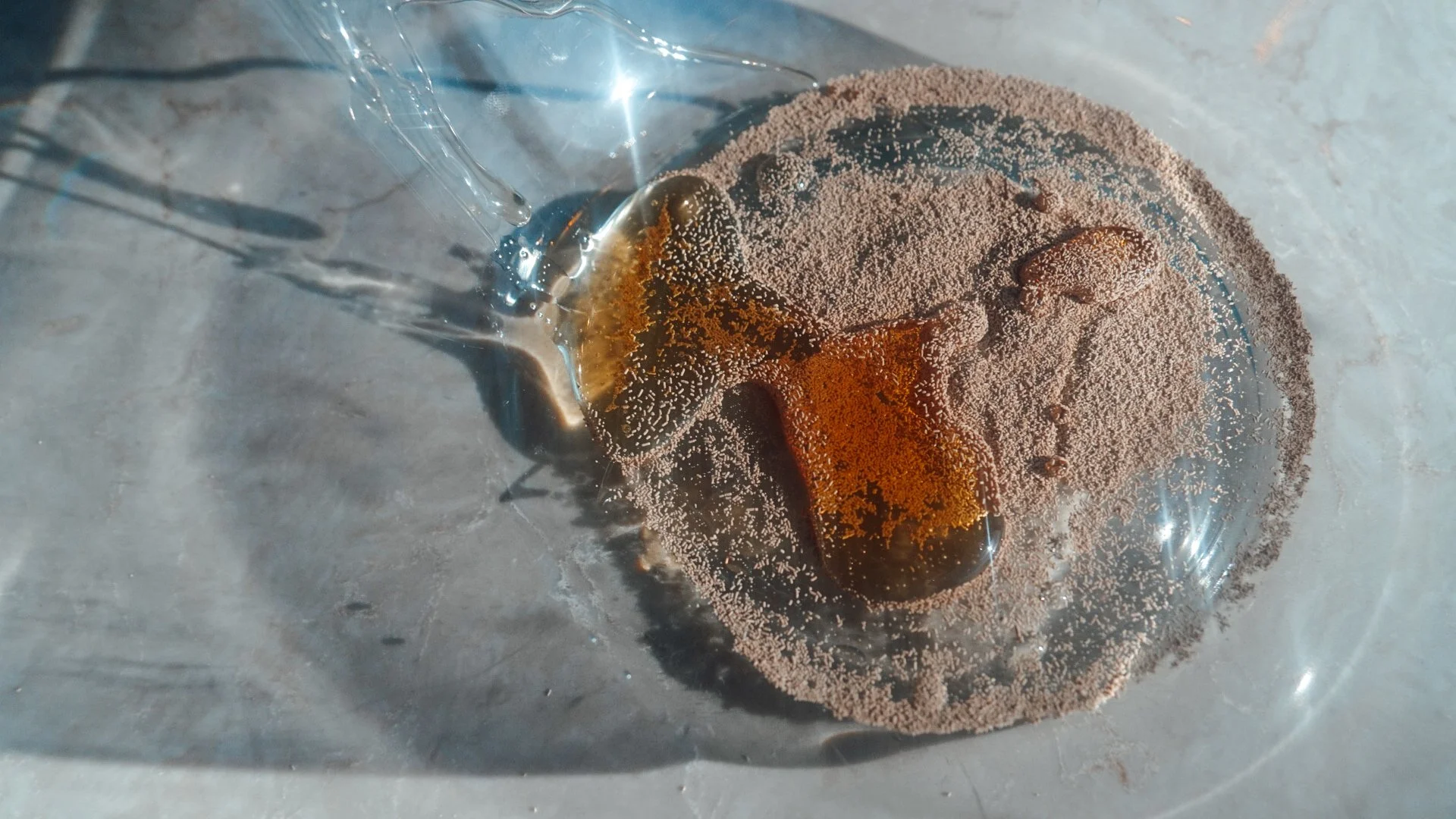
Add the warm water, active dry yeast, and 1 tablespoon of raw honey to a large mixing bowl. Stir gently and allow it to sit for 5–10 minutes, or until the surface looks foamy.Prepare the blueberries.
While the yeast is proofing, add the blueberries and remaining tablespoon of honey to a small saucepan.Cook the blueberries over medium heat until they begin to simmer and release their juices. Gently mash them with a fork or potato masher, leaving a few small pieces of blueberry for texture.
Remove the blueberries from the heat and allow them to cool completely. Do not add hot blueberries to the yeast mixture because too much heat can damage the yeast.
Make the dough.
Add the cooled blueberry mixture and 3½ cups of flour to the proofed yeast. Stir until a shaggy, sticky dough forms.Turn the dough onto a generously floured surface. Knead gently until the dough begins to look smooth and hold its shape.
The amount of additional flour needed will depend on how much liquid the blueberries released. Add more flour a few tablespoons at a time until the dough is soft and slightly tacky but manageable. Avoid adding too much flour because this can make the English muffins dense.
Place the dough in a lightly greased bowl. Cover it with a clean kitchen towel and allow it to rise in a warm place for 1 hour, or until doubled in size.
Shape the English muffins.
Turn the risen dough onto a lightly floured surface and divide it into 8 equal pieces.Shape each piece into a smooth ball, then gently flatten it into a thick round. English muffins spread less than regular rolls, so shaping them into discs helps create the familiar English muffin shape.
Sprinkle a parchment-lined baking sheet with cornmeal. Place the shaped muffins on the sheet and lightly sprinkle the tops with more cornmeal.
Cover the muffins and allow them to rise for another 30 minutes.
Cook the English muffins.
Preheat the oven to 350°F.Lightly grease a cast iron skillet, griddle, or heavy-bottomed pan and warm it over medium heat. If the skillet becomes too hot, lower the temperature before adding the muffins.
Working in batches, cook the English muffins for 1–2 minutes on each side, or until the tops and bottoms are golden brown.
Transfer the browned muffins back to the lined baking sheet.
Bake at 350°F for 10–12 minutes, or until the centers feel set and the muffins are cooked through.
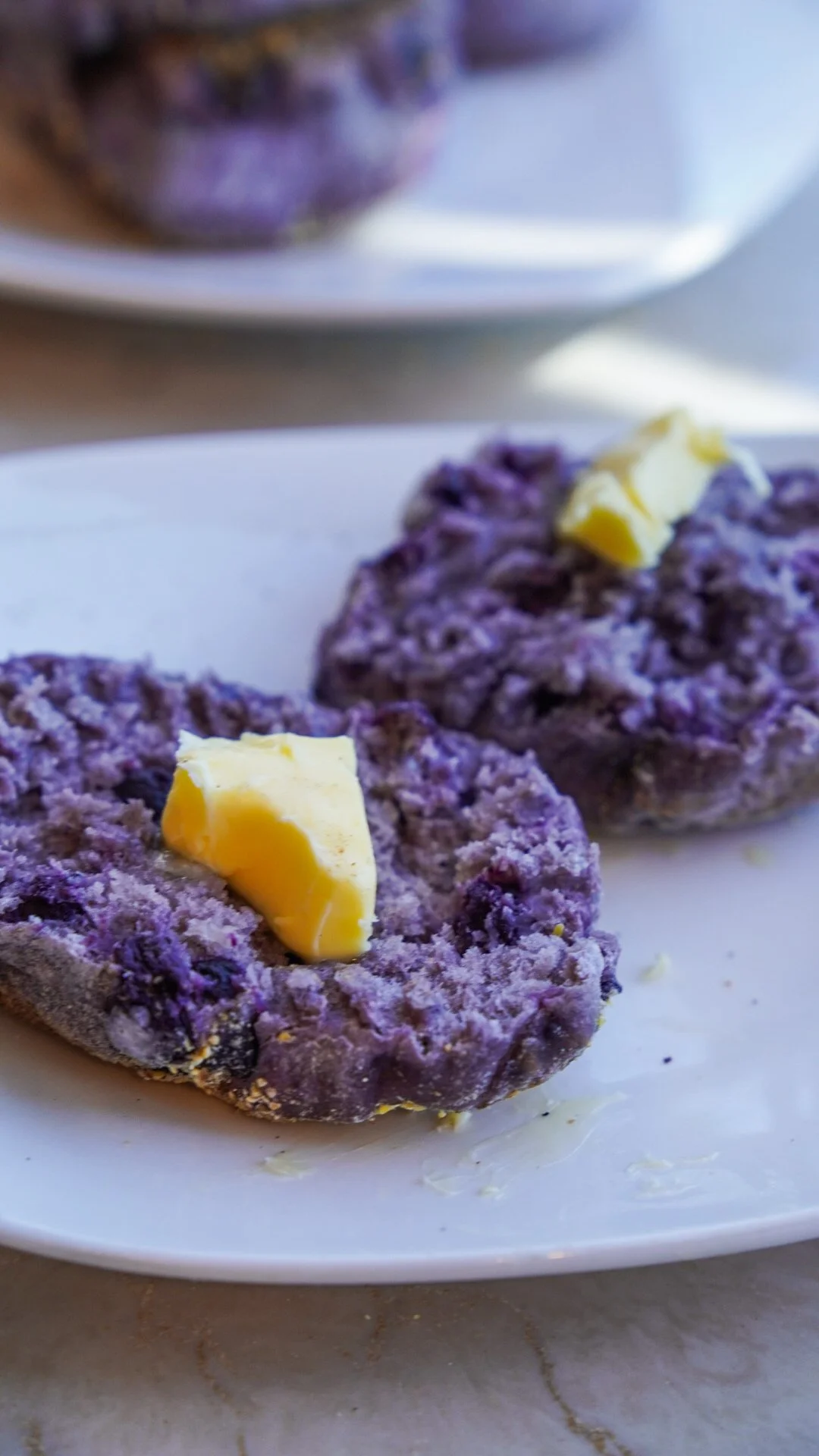
Allow them to cool before slicing. For the classic English muffin texture, use a fork to split them around the sides instead of cutting straight through with a knife.
Toast and serve with grass-fed butter, raw honey, homemade jam, nut butter, or your favorite topping.
A Recipe I’ll Always Remember


I made these English muffins while my mom was over helping me film. At that point, she had never watched my entire filming process, so she sat beside the counter and got a front-row seat.
I will always remember that because when I was growing up, I was the one sitting at the counter watching her bake. She didn’t have a camera, a tripod, or anything so crazy. She just had plenty of love and a natural talent for making things in the kitchen.
This time, the roles were reversed. She sat at the counter watching me create and film a recipe of my own. There was something really sweet and full-circle about it, and now these blueberry English muffins will always remind me of that day.
Why Cook English Muffins on the Stove and in the Oven?
Traditional English muffins develop their golden crust on a skillet or griddle. However, blueberry dough contains extra moisture from the fruit.
Finishing the muffins in the oven gives the centers time to cook without burning the outside. You still get the beautiful cornmeal crust from the skillet, along with a soft and fully cooked center.
Fresh or Frozen Blueberries
Fresh and frozen blueberries both work for this recipe.
Frozen blueberries usually release more liquid as they cook. Allow the mixture to simmer a little longer so some of that extra liquid can reduce before cooling it.
If the finished dough is still very sticky, gradually add more flour during kneading. Add only enough to make the dough manageable.
Choosing the Best Flour
Use the best flour you can get your hands on. I have strong feelings about some American flour feeling like sawdust, but any good all-purpose flour or bread flour will work. 😂
Bread flour creates a chewier, more structured English muffin. All-purpose flour produces a softer result.
Because blueberries vary in size and moisture, you may need a little more than 3½ cups. Let the texture of the dough guide you instead of adding a large amount of flour all at once.
The dough should be:
Soft
Slightly tacky
Smooth after kneading
Firm enough to hold its shape
It should not feel dry or stiff.
Can I Make These Without a Cast Iron Skillet?
Yes. You can use a regular heavy-bottomed skillet, nonstick pan, stainless steel pan, or stovetop griddle.
Keep the heat around medium and watch the muffins carefully. If they begin browning before the full 1–2 minutes have passed, lower the heat.
The goal is to create a golden crust, not fully cook the centers on the stovetop.
How to Get the Classic English Muffin Texture
Instead of slicing the muffins completely with a knife, insert the tines of a fork around the outside edge until the muffin separates.
This creates the uneven interior texture that catches melted butter, honey, and jam.
You may not get the exact same nooks and crannies as a plain English muffin because the blueberries add extra moisture, but fork-splitting still produces a wonderful rustic texture.
Ways to Serve Blueberry English Muffins
These English muffins are naturally sweet enough to enjoy with simple toppings.
Try serving them with:
Grass-fed butter
Raw honey
Homemade blueberry jam
Cream cheese
Almond or peanut butter
Cinnamon butter
Fresh berries
A drizzle of pure maple syrup
Butter with a pinch of flaky sea salt
They are especially good toasted until the edges become slightly crisp.
Storage and Freezing
Allow the English muffins to cool completely before storing them.
Keep them in an airtight container at room temperature for up to two days or refrigerate them for up to five days.
For longer storage, split the muffins before freezing. Place parchment paper between them and store them in a freezer-safe container for up to three months.
They can be toasted directly from frozen or allowed to thaw at room temperature first.
Recipe Notes
Make sure the blueberry mixture is completely cool before adding it to the yeast.
Frozen blueberries may require a longer cooking time because they release more water.
Add additional flour gradually. Too much flour can make the muffins dense.
Shape the dough into thick discs instead of leaving it in round balls.
Lower the skillet heat if the muffins brown too quickly.
The oven finish is important because blueberry dough contains additional moisture.
If you prefer a stronger sweet-and-salty contrast, add ½ teaspoon of fine sea salt with the flour.
Fork-split the English muffins before toasting for a more traditional texture.
These homemade blueberry English muffins are soft, cozy, and filled with real fruit. They are perfect for breakfast, an afternoon snack, or a slow weekend morning with butter and honey.
Naturally sweetened, made from simple ingredients, and approved by the Englishman in the house. 🇬🇧🫐